Tech
Zamboanga Peninsula farm turns waste into energy through biogas technology
A farm in the Zamboanga Peninsula has turned its livestock waste into energy through its biogas digester facility that not only helps reduce foul odor but also provides a sufficient power source. The Rockefeller Farm, ow
লেখক GMA News10K বার পড়া
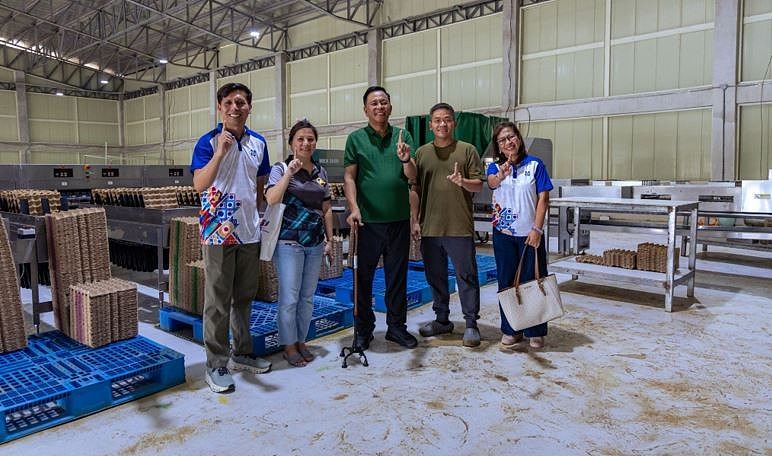
A farm in the Zamboanga Peninsula has turned its livestock waste into energy through its biogas digester facility that not only helps reduce foul odor but also provides a sufficient power source.
The Rockefeller Farm, owned by couple Lester Uy and Heidi Ong, collects waste from more than 10,000 chickens and pigs and deposits it into a three-story-deep pit, where microorganisms break it down and convert it into energy.
When the microorganisms break down the manure into simple molecules, other microbes eat it and eventually release gas, such as methane, which is then converted into electricity through the biogas generator.
READ: EXPLAINER: How biomass becomes renewable energy
The seven-hectare farm currently has a 300-kilovolt-ampere (KVA) biogas generator that can power the entire area for 15 hours, which is enough to light up a rural barangay.
Uy said before that the farm spent about P900,000 on electricity per month to power its facilities, including two buildings of chicken and pig housing, sorting facilities, and other maintenance costs.
With the biogas generator, the couple pays P40,000 to P50,000 in electricity per month.
The biogas facility also produces high-quality fertilizer, which is used on the farm or given to workers for their crops.
“Magrereklamo yung neighbor mo [sa langaw at amoy] at alam naman natin in the future, mag-i-increase pa ang presyo ng kuryente,” Ong said.
(Our neighbors will complain about the foul odor and the flies and we know that in the future, the cost of electricity will increase.)
“Ang gusto ko is to share ito (biogas digester facility) at gawin nating modern ang mga landfill. Kasi ang landfill, mas maraming mapo-produce na biogas ‘yon,” Uy said.
(I want to share this biogas digester facility and help modernize landfills because they can produce even more biogas.)
“‘Pag na-execute ‘yan, malaki itong tulong sa mga community [near landfills],” he added.
(It would be a big help to communities near landfills once it is executed.)
Rocketfeller is among the beneficiaries of the Department of Science and Technology's (DOST) Small Enterprise Technology Upgrading Program (SETUP), which aims to provide micro, small, and medium enterprises (MSEMs) refund-based funding for equipment acquisition, technical training, consultancy, and packaging improvement to boost their business.
Earlier this month, DOST Secretary Renato Solidum Jr. said the agency is looking into assisting more than 10,000 MSMEs in the next two years as it ramps up its programs.—LDF GMA News