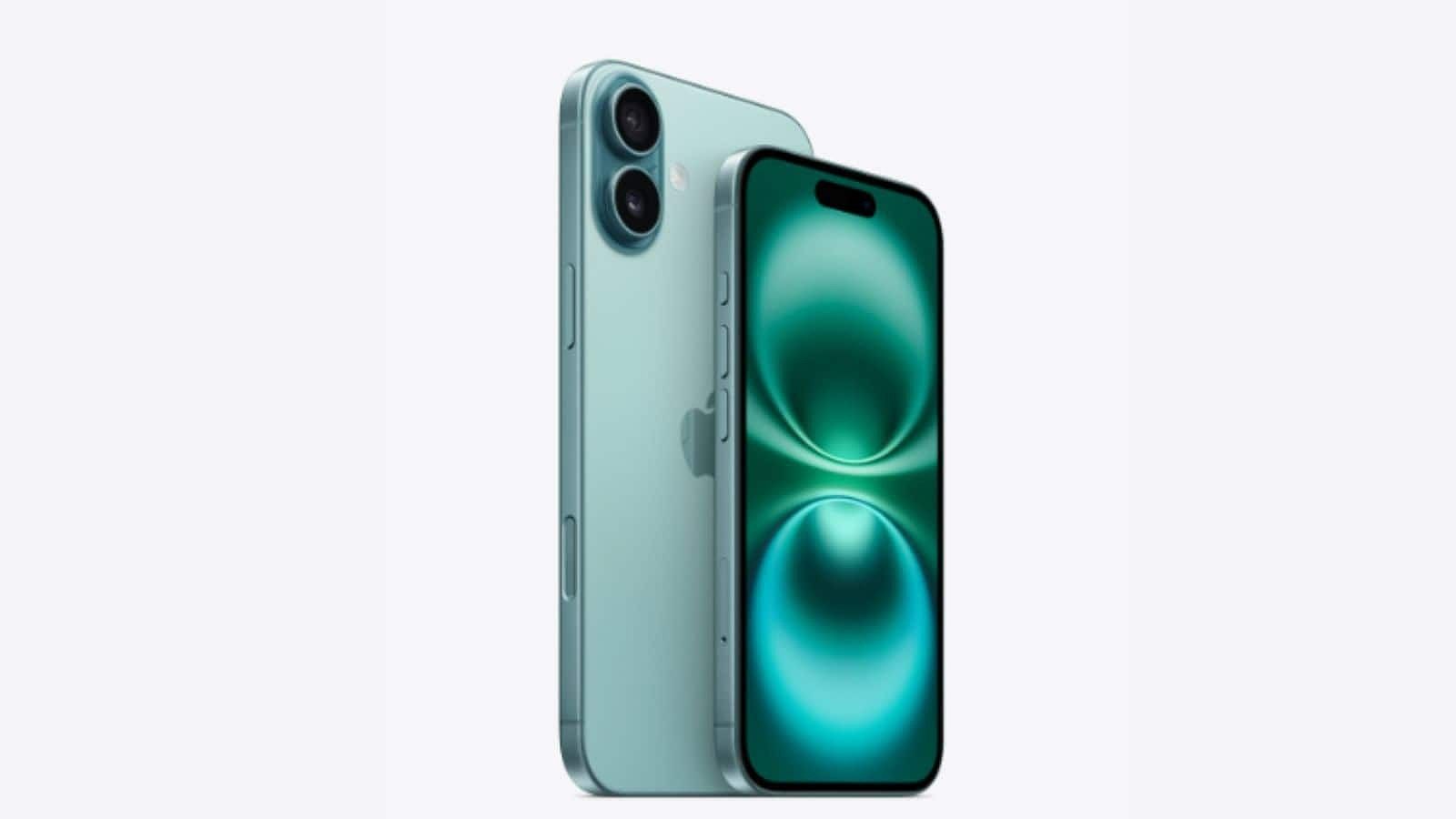
Buy iPhone 17 Now; Waiting For iPhone 18 May Be A Bad Choice, Says Tesla Investor Ross Gerber
Apple’s next-generation iPhone lineup is expected to arrive later this year, but one prominent investor believes consumers looking for a new iPhone may have a reason to buy the current generation instead of waiting.
লেখক News18 Tech··48K বার পড়া
Buy iPhone 17 Now; Waiting For iPhone 18 May Be A Bad Choice, Says Tesla Investor Ross Gerber
Apple’s next-generation iPhone lineup is expected to arrive later this year, but one prominent investor believes consumers looking for a new iPhone may have a reason to buy the current generation instead of waiting.
Ross Gerber, co-founder, president and CEO of Gerber Kawasaki Wealth & Investment Management and a well-known Tesla investor, recently said that now could be a good time to buy an iPhone 17. In a post on X, Gerber pointed to strong iPhone sales and suggested that Apple’s next-generation models could come with higher prices.
Gerber said Apple Store employees had told him that sales remained strong despite higher prices across some of the company’s other hardware products. He also noted that Apple had so far kept the iPhone 17’s starting price unchanged, while suggesting that pricing could change when the new models arrive.
Ross Gerber Says iPhone 17 Is Still Selling Well
Gerber’s comments come as Apple prepares for the next phase of its iPhone lineup. According to the investor, Apple Store staff told him that iPhone sales were still performing strongly even as prices for some other Apple products have increased.
Gerber specifically highlighted the fact that the current iPhone 17 pricing has not yet been raised. He suggested that customers who already need a new iPhone could consider purchasing the current model rather than waiting for the next generation.
His comments are not an official indication of Apple’s future pricing plans. Gerber is an investor and market commentator, and Apple has not confirmed the retail prices of its upcoming iPhone models.
Why The iPhone 18 Could Become More Expensive
The possibility of higher iPhone prices is not coming out of nowhere. Apple is facing a sharp increase in the cost of memory components, driven in part by intense demand from the artificial intelligence industry.
Recent industry estimates suggest that the production cost of the upcoming iPhone 18 Pro could be significantly higher than that of its predecessor. A June analysis based on component-cost estimates put the bill of materials for a 256GB iPhone 18 Pro at about $726, compared with an estimated $582 for the equivalent iPhone 17 Pro. The estimates attributed much of the increase to DRAM and NAND storage costs.
Another analysis from Counterpoint Research estimated that the bill of materials for the 1TB iPhone 18 Pro Max could increase by nearly $300 compared with the previous generation. Rising memory prices and the expected use of newer components are among the factors behind the projected increase.
These figures concern Apple’s estimated production costs, rather than confirmed retail prices. A higher bill of materials does not automatically mean Apple will pass the entire increase on to customers. The company could absorb part of the additional cost, accept lower margins or adjust pricing by model and storage capacity.
Model
Current US Starting Price
Future Pricing
iPhone 17
$799
Current price; future changes not confirmed
iPhone 17 Pro
$1,099
Current price; future changes not confirmed
iPhone 17 Pro Max
$1,199
Current price; future changes not confirmed
iPhone 18 Pro
Not launched
Reports suggest a possible increase
Apple Has Already Raised Prices On Other Products
The pricing concerns are also notable because Apple has already increased prices for several products in 2026. The company has raised prices on some Mac and iPad models, while iPhone pricing has remained comparatively stable.
Apple’s latest financial results show that demand for the iPhone remains strong despite the wider pricing pressures. In its fiscal third-quarter results, Apple reported $54.25 billion in iPhone revenue, up from $44.58 billion during the same quarter a year earlier. That represented a 21.7% year-on-year increase and contributed to a record June quarter for the company.
Apple’s overall quarterly revenue reached $109.4 billion, up 16% from the same period a year earlier. The company also said iPhone, Mac and Services revenue each reached new June-quarter records.
Memory Shortage Is Becoming A Bigger Problem For Apple
Memory has emerged as one of the biggest cost pressures facing the smartphone industry. The rapid expansion of AI infrastructure has increased demand for memory components, putting pressure on supply and prices for DRAM and NAND storage.
Earlier industry estimates indicated that conventional DRAM contract prices could rise sharply during 2026, while NAND prices have also faced significant pressure. These increases matter to smartphone manufacturers because modern flagship phones use substantial amounts of both memory and storage.
For Apple’s upcoming Pro models, estimates suggest that memory could represent a particularly large increase in the manufacturing bill. One analysis cited estimates that the cost of 12GB of DRAM could rise from roughly $39 in the iPhone 17 Pro to around $145 for the equivalent iPhone 18 Pro configuration, while 256GB of NAND storage could rise from about $13 to $51.
It is important to stress that these are industry estimates, not figures Apple has officially confirmed.
Should You Buy The iPhone 17 Or Wait For The iPhone 18?
For consumers who need a new phone immediately, Gerber’s argument is fairly simple: buying the current iPhone 17 could avoid the uncertainty surrounding the next generation.
The iPhone 17 currently starts at $799 in the US, while the iPhone 17 Pro starts at $1,099 and the iPhone 17 Pro Max at $1,199. The current generation therefore offers customers known pricing, whereas the final pricing of the iPhone 18 family has yet to be announced.
However, anyone who does not need to upgrade immediately may still prefer to wait. The iPhone 18 range is expected to bring new hardware and features, and Apple has not officially confirmed its complete lineup or pricing. Reports about higher production costs provide a reason to expect possible price increases, but they do not guarantee them.
There is also another factor to consider: the launch of a new iPhone generation often creates discounts and promotions around older models. Depending on Apple’s retail strategy and third-party retailers, waiting could therefore produce opportunities to buy an iPhone 17 at a lower effective price even if Apple maintains its official pricing.