Can Asim Munir Break The US-Iran Deadlock? Pakistan Army Chief Likely To Visit Tehran | Exclusive
Pakistan’s Field Marshal Asim Munir is expected to travel to Tehran on Tuesday as Islamabad steps up efforts to revive stalled negotiations between the United States and Iran, with tensions over the Strait of Hormuz and
مصنف Manoj Gupta··50K بار پڑھا
Can Asim Munir Break The US-Iran Deadlock? Pakistan Army Chief Likely To Visit Tehran | Exclusive
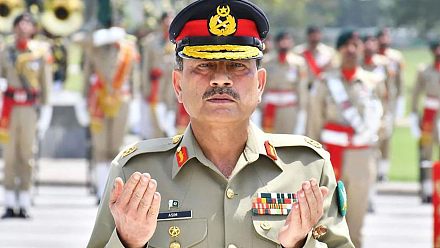
Pakistan’s Field Marshal Asim Munir is expected to travel to Tehran on Tuesday as Islamabad steps up efforts to revive stalled negotiations between the United States and Iran, with tensions over the Strait of Hormuz and regional security continuing to complicate diplomatic efforts.
The planned visit by Pakistan’s army chief comes amid a renewed push to bring Washington and Tehran back to the negotiating table after previous rounds of talks failed to produce a breakthrough. A Pakistani official and Iranian media reports have indicated that Munir is scheduled to visit Tehran for discussions with Iranian officials.
The discussions are expected to focus on Pakistan’s mediation efforts, ways to reduce tensions between the two countries and broader regional developments. The Strait of Hormuz, a critical global energy shipping route, is also likely to remain central to the diplomatic push.
Islamabad has emerged as an important channel for communication between Washington and Tehran, seeking to prevent a further escalation of the conflict and create conditions for negotiations to resume.
Pakistan Steps Up Diplomatic Outreach
Munir’s expected visit comes as Pakistan intensifies its diplomatic engagement with regional stakeholders in an effort to keep negotiations alive.
Pakistan’s Interior Minister Mohsin Naqvi held important meetings and discussions with Qatari interlocutors in Doha on Monday, focusing on the US-Iran conflict and tensions involving the Houthis and Saudi Arabia, a top diplomatic source said.
The discussions underline Islamabad’s parallel engagement with Qatar, which has played a role in regional mediation efforts, as Pakistan seeks to address multiple flashpoints through diplomatic channels.
Qatar’s involvement is significant as efforts to reduce tensions extend beyond the immediate confrontation between Washington and Tehran to wider security concerns across the Gulf and the Red Sea.
Naqvi had also credited Munir with playing a key role in efforts to facilitate negotiations between the United States and Iran, saying Pakistan had continued to pursue dialogue even during difficult moments in the diplomatic process.
Strait Of Hormuz Remains A Key Sticking Point
The proposed visit comes as the Strait of Hormuz remains a major point of contention between Iran and the United States.
Iran has reiterated a proposal to reopen the strategically important waterway within seven days, subject to Washington accepting its conditions. Tehran has linked the proposal to demands that include lifting the US naval blockade on Iranian ports, easing sanctions on Iranian oil exports and ending military threats.
The United States and Iran have yet to bridge their differences, with disagreements over the sequence of steps required to resume negotiations continuing to impede progress.
The strait is a crucial route for global oil and liquefied natural gas shipments. Any prolonged disruption to shipping through the waterway could have wider implications for energy markets and international trade.
Munir’s expected visit could provide another opportunity for Islamabad to convey positions between the two sides and explore possible areas of agreement. However, it remains unclear whether the trip will produce a breakthrough or lead to a fresh round of negotiations.
Can Asim Munir Revive The Negotiations?
Pakistan has sought to position itself as a facilitator between Washington and Tehran, using its diplomatic and security contacts to encourage both sides to return to negotiations.
Munir has previously engaged with Iranian leaders as part of Islamabad’s efforts to reduce tensions. His latest expected visit comes at a time when the diplomatic process remains fragile and the risk of renewed confrontation continues to complicate mediation.
Pakistan’s challenge will be to identify a basis for renewed engagement acceptable to both sides, particularly on the Strait of Hormuz, sanctions and broader regional security.
Qatar’s parallel diplomatic engagement could also prove important in keeping communication channels open. The meetings between Naqvi and Qatari interlocutors in Doha suggest that Islamabad is pursuing consultations beyond its direct engagement with Tehran.
For now, the planned visit signals that Pakistan is continuing its mediation efforts despite the impasse. Whether those efforts can translate into a resumption of US-Iran talks will depend on the willingness of Washington and Tehran to narrow their differences and agree on the next steps.