Navratri 2026 Day 7: Maa Kalaratri, Puja Time, Colour, Bhog, Mantra, And How To Worship The Seventh Form Of Goddess Durga?
Navratri 2026 Day 7 Maa Kalaratri Puja Time, Colour, Bhog and Mantra: Navratri 2026 Day 7: Sharadiya Navratri 2026 Day 7 will be celebrated on Saturday, October 17, 2026, and is dedicated to Maa Kalaratri, the seventh an
مصنف Nibandh Vinod··10K بار پڑھا
Navratri 2026 Day 7: Maa Kalaratri, Puja Time, Colour, Bhog, Mantra, And How To Worship The Seventh Form Of Goddess Durga?
Navratri 2026 Day 7 Maa Kalaratri Puja Time, Colour, Bhog and Mantra: Navratri 2026 Day 7: Sharadiya Navratri 2026 Day 7 will be celebrated on Saturday, October 17, 2026, and is dedicated to Maa Kalaratri, the seventh and most terrifying, destructive manifestation of Goddess Durga.
Known as the destroyer of darkness, ignorance, and evil spirits, her name combines Kala (time/death) and Ratri (night). Worshipping her removes the fear of ghosts, negative energies, and untimely death, earning her the name Shubhankari (she who brings good fortune).
Saptami Tithi Begins: October 17, 2026, at 5:35 AM
Saptami Tithi Ends: October 18, 2026, at 7:27 AM
Who is Maa Kalaratri?
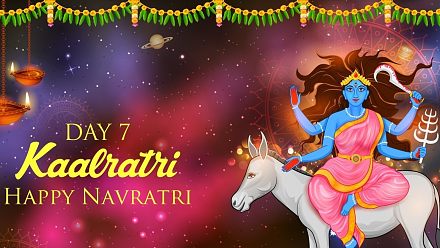
Maa Kalaratri is the seventh form of Goddess Durga and is worshipped on the seventh day of Sharadiya Navratri. Known for her fierce and powerful appearance, she is depicted with a dark complexion, dishevelled hair, three eyes, and a donkey as her mount.
She carries weapons and is often shown surrounded by flames, symbolising her immense power to destroy evil and negativity. Despite her fearsome appearance, Maa Kalaratri is a compassionate protector of her devotees and is also known as Shubhankari, the one who brings auspiciousness and good fortune.
Read More: Navratri 2026 Ghatasthapana: Date, Time, Muhurat And Puja Vidhi
Her name signifies the darkness of night and the power of time, representing the destruction of ignorance, fear, and negative forces.
Devotees worship her to seek courage, protection, spiritual strength, and freedom from obstacles, believing that her divine grace guides them through difficult times and towards peace and prosperity.
Navratri 2026 Day 7 Colour
Colour: Grey. This unique color represents the destruction of evil, absolute neutrality, and the transformative strength needed to face life’s darkest storms.
Navratri 2026 Day 7 Bhog (Offerings)
Offerings: Jaggery (Gur) or sweets made with jaggery. Offering jaggery to Maa Kalaratri on Saptami is believed to please her instantly, alleviate poverty, and bring relief from physical ailments and obstacles.
Read More: Navratri Colours 2026: Day-Wise List From October 11 To October 19
Step-by-Step Puja Vidhi for Navratri Day 7
Worshipping Maa Kalaratri activates the Sahasrara (Crown) Chakra or Sahasrar Chakra, granting the devotee ultimate spiritual awakening, cosmic knowledge, and mastery over fear. Saptami puja is often performed late at night (Nisha Puja), though regular morning prayers are equally auspicious.
Morning Rituals: Wake up early, perform your morning purification routines, and dress in Grey clothing. Cleanse your temple space thoroughly with a few drops of Gangajal.
Initial Invocations: Worship Lord Ganesha first to eliminate negative obstacles. Pay your respects to the established Kalash and the Akhand Jyoti.
Maa Kalaratri Avahanam: Focus your mind on her fierce form, pitch-black skin, untamed matted hair, three glowing eyes, breathing violent flames of fire, riding a donkey, and holding a cleaver and a spiked club.
Pancha Upachara offerings
Gandham: Apply a fresh tilak of red vermilion (kumkum) and sandalwood paste to her feet.
Pushpam: Offer night-blooming jasmine (Raat Rani), red hibiscus, or marigolds.
Dhoopam & Deepam: Light a clean ghee or mustard oil lamp and incense sticks to purify the atmosphere.
Special Naivedyam: Place a generous offering of pure jaggery or jaggery-based sweets before the Goddess as her primary bhog.
Chanting: Sit comfortably on your mat and chant her Mula Mantra 108 times to absorb her protective, fear-shattering energy.
Aarti & Prasad: Conclude the ceremony by performing the Durga Aarti. Distribute the jaggery prasad to family members, or donate a portion of it to someone in need.
The Legend (Vrat Katha) of Maa Kalaratri
According to sacred scriptures, there were two incredibly powerful demon brothers named Shumbha and Nishumbha. They invaded heaven, defeated the gods, and threw the cosmic balance into complete chaos. To fight them, the gods prayed to Goddess Parvati for help.
As Parvati stepped out to battle, the demons sent their ferocious generals, Chanda, Munda, and the formidable Raktabija, to capture her. Raktabija possessed a terrifying boon: every single drop of his blood that touched the ground would instantly clone another fully grown, equally powerful Raktabija demon.
When Goddess Durga attacked him, millions of new Raktabija clones began rising from the earth, overwhelming the divine army. Realising that conventional combat would only create an unstoppable army of demons, the Goddess unleashed her dormant, fierce rage.
Out of her forehead emerged Maa Kalaratri. Her skin was dark as the cosmic night, her eyes flashed with lightning, and she let out a thunderous roar. She charged onto the battlefield with a massive cleaver. As she slashed through the Raktabija clones, she extended her massive tongue across the entire battlefield, catching and drinking every single drop of blood before it could touch the ground.
She devoured the entire demonic army and eventually slew Raktabija, bringing an end to his reign of terror and clearing the way for Durga to destroy Shumbha and Nishumbha.
The Spiritual Meaning
While her appearance is terrifying to evil forces, she is fiercely protective of her devotees. She represents the absolute truth of time, that all things must come to an end, and she reminds us that no matter how dark or insurmountable our fears seem, they can be entirely consumed and destroyed by divine light.