Navratri 2026 Day 3: Maa Chandraghanta, Puja Time, Colour, Bhog And Mantra, How To Worship The Third Form Of Goddess Durga?
Navratri Day 3 2026 Maa Chandraghanta Puja Time, Colour, Bhog and Mantra: Sharad Navratri 2026 will continue on Tuesday, October 13, with devotees worshipping Maa Chandraghanta, the third form of Goddess Durga. The day f
مصنف Nibandh Vinod··10K بار پڑھا
Navratri 2026 Day 3: Maa Chandraghanta, Puja Time, Colour, Bhog And Mantra, How To Worship The Third Form Of Goddess Durga?
Navratri Day 3 2026 Maa Chandraghanta Puja Time, Colour, Bhog and Mantra: Sharad Navratri 2026 will continue on Tuesday, October 13, with devotees worshipping Maa Chandraghanta, the third form of Goddess Durga. The day falls on Tritiya Tithi and follows the worship of Maa Brahmacharini on the second day of Navratri.
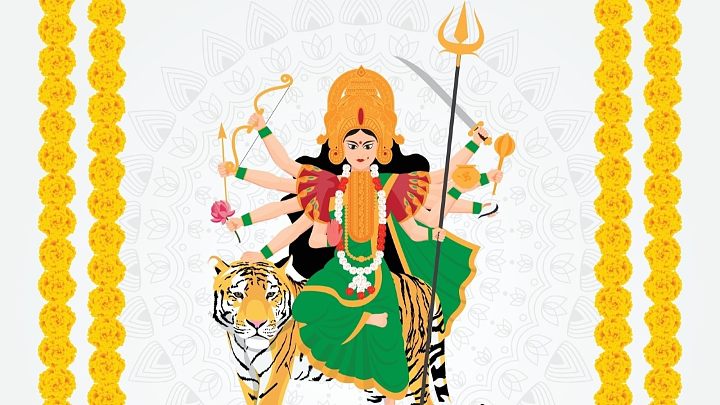
Maa Chandraghanta is traditionally associated with courage, protection, strength and the destruction of fear. She is depicted with a crescent moon shaped like a bell on her forehead, giving the goddess her distinctive name.
According to Drik Panchang, October 13 is Navratri Day 3 and is dedicated to Maa Chandraghanta. The colour associated with the day is red.
Here is everything to know about Navratri Day 3 2026, including the date, Tritiya Tithi, Maa Chandraghanta’s significance, puja timings, colour, bhog and mantras.
Navratri 2026 Day 3 Date
Navratri Day 3 will be celebrated on Tuesday, October 13, 2026.
The day corresponds to Ashwin Shukla Tritiya and is dedicated to Maa Chandraghanta, the third form of Navdurga.
According to Drik Panchang:
Tritiya Tithi begins: October 12, 2026, at 10:14 PM
Tritiya Tithi ends: October 13, 2026, at 11:29 PM
Who Is Maa Chandraghanta?
Maa Chandraghanta is worshipped as the third form of Goddess Durga during Sharad Navratri.
Her name comes from the crescent moon, or Chandra, shaped like a bell, or Ghanta, that adorns her forehead.
Read More: Navratri 2026 Ghatasthapana: Date, Time, Muhurat And Puja Vidhi
The goddess is traditionally portrayed as a powerful warrior deity with ten arms, carrying different weapons and symbols. She is generally depicted riding a tiger or lion and is associated with courage, protection and the power to overcome fear.
At the same time, her expression is traditionally shown as calm and compassionate towards her devotees.
This combination of strength and serenity is central to the symbolism of Maa Chandraghanta.
Navratri 2026 Day 3 Colour
The Navratri colour for Day 3 in 2026 is red.
Red is traditionally associated with energy, passion, strength and vitality. It is also strongly associated with Goddess Durga and is commonly seen in chunris, flowers and other offerings during Shakti worship.
Read More: Navratri Colours 2026: Day-Wise List From October 11 To October 19
Devotees may wear red clothes or incorporate red flowers and other elements into their Navratri celebrations.
Maa Chandraghanta Bhog
Fresh milk
Kheer
Milk-based sweets
White or yellow flowers
Fresh fruits
A silver coin may also be included among the offerings according to some traditional practices.
Maa Chandraghanta Puja Vidhi
The precise puja procedure differs across households and traditions. A commonly followed sequence includes:
Take a bath and wear clean clothes before beginning the puja.
Clean and prepare the puja area.
Light a diya and incense.
Begin with an invocation to Lord Ganesha.
Offer flowers, akshat, kumkum and other traditional items to the Kalash established during Ghatasthapana.
Invoke Maa Chandraghanta and meditate on her form.
Offer flowers, sandalwood, kumkum and other customary puja items.
Offer milk, kheer or another traditional bhog.
Chant the Maa Chandraghanta mantra.
Perform the aarti and offer prayers for peace, strength and protection.
Distribute the bhog as prasad.
Maa Chandraghanta Mantra
The primary mantra associated with Maa Chandraghanta is:
ॐ देवी चन्द्रघण्टायै नमः॥ (Om Devi Chandraghantayai Namah)
Devotees may chant this mantra during the worship of Maa Chandraghanta on Navratri Day 3.
Read More: Navratri Fasting Rules 2026: What To Eat And What To Avoid During Vrat
Maa Chandraghanta Stuti Mantra
A traditional stuti associated with the goddess is:
या देवी सर्वभूतेषु मां चंद्रघंटा रूपेण संस्थिता।
नमस्तस्यै नमस्तस्यै नमस्तस्यै नमो नमः॥
(Ya Devi Sarvabhuteshu Maa Chandraghanta Rupena Samsthita
Namastasyai Namastasyai Namastasyai Namo Namah)
Navratri 2026 Day 3 Puja Time
According to Drik Panchang:
Tritiya Tithi begins: October 12, 2026, at 10:14 PM
Tritiya Tithi ends: October 13, 2026, at 11:29 PM
Read More: Navratri 2026: 9 Forms Of Maa Durga, Names And Their Significance
The Legend of Maa Chandraghanta
Maa Chandraghanta’s name is linked to the crescent moon shaped like a bell on her forehead.
A traditional account connects this form of Goddess Parvati with her marriage to Lord Shiva. After Parvati’s intense penance, Shiva agreed to marry her.
According to the traditional story, however, Lord Shiva arrived for the wedding procession in a fearsome form, accompanied by his unusual and frightening entourage. His appearance frightened Parvati’s family and created an atmosphere of panic.
Parvati then assumed a powerful divine form to restore calm and protect her family. This form came to be associated with Maa Chandraghanta.
She is depicted as a radiant warrior goddess with multiple arms, riding a tiger or lion and carrying divine weapons.
The story symbolically connects her with both compassion and fierce protection.
Read More: Navratri 2026 Day 1: Maa Shailputri Puja, Time, Colour, Bhog And Mantra
What Does Maa Chandraghanta Symbolise?
Maa Chandraghanta’s form represents the balance between peace and power.
She is traditionally regarded as a protective manifestation of Goddess Durga who gives devotees courage to confront fear and adversity.
The bell-shaped crescent on her forehead is also associated with the power to drive away negative forces.
For devotees, the third day of Navratri provides an opportunity to reflect on courage, inner strength and the ability to face difficult situations with composure.
Significance of Red Colour on Navratri Day 3
Red is the colour associated with Navratri Day 3 in 2026.
The colour is traditionally linked with energy, passion, strength and vitality. It is also commonly associated with Goddess Durga and Shakti worship.
Devotees may choose red clothing, flowers or other decorations as part of the day’s celebrations.