Mahalaya 2026: When And Where To Listen To Mahishasura Mardini Live
Mahishasura Mardini Live: For generations of Bengali households, the unmistakable voice of Birendra Krishna Bhadra has signalled the arrival of the Durga Puja season. Before sunrise on Mahalaya, families wake up to the i
مصنف Nibandh Vinod··30K بار پڑھا
Mahalaya 2026: When And Where To Listen To Mahishasura Mardini Live
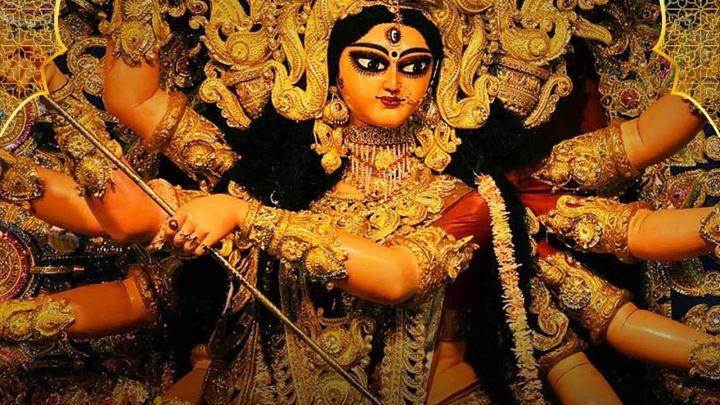
Mahishasura Mardini Live: For generations of Bengali households, the unmistakable voice of Birendra Krishna Bhadra has signalled the arrival of the Durga Puja season. Before sunrise on Mahalaya, families wake up to the iconic Mahishasura Mardini recital, a blend of Sanskrit verses, devotional music and narration that has become deeply woven into Bengali cultural memory.
The tradition will continue this year as devotees prepare to mark Mahalaya on Saturday, October 10, 2026. The recital is traditionally heard in the early hours of Mahalaya morning, whether through a radio broadcast or digital stream.
For those planning to listen in 2026, here is what to know about the expected broadcast time, where to listen live and the options available if you miss the traditional early-morning broadcast.
When is Mahalaya 2026?
Mahalaya will be observed on Saturday, October 10.
The day marks Sarva Pitru Amavasya, the final day of Pitru Paksha, and is traditionally associated with the beginning of Devi Paksha. In Bengal, Mahalaya also carries a powerful cultural association with the arrival of Durga Puja.
Read More: When Is Mahalaya 2026? Date, City-wise Timings, Significance And Rituals
One of the most enduring customs is waking up in the early hours to listen to Mahishasura Mardini.
What time is Mahishasura Mardini on Mahalaya 2026?
The iconic recital is traditionally broadcast around 4 AM on Mahalaya morning.
Mahalaya 2026 listening time
Date: Saturday, October 10, 2026
Expected start: Around 4 AM
Programme: Mahishasura Mardini
Associated broadcaster: Akashvani/All India Radio
Language: Bengali/Sanskrit in the traditional Bengali programme
The programme itself runs for roughly 90 minutes, although the exact transmission duration can vary with the broadcast schedule.
Where to listen to Mahishasura Mardini live?
Akashvani/All India Radio
Akashvani remains the key broadcaster associated with the Mahalaya tradition. Listeners in areas covered by the relevant Akashvani radio services can tune in during the early-morning transmission.
The programme has traditionally been carried through Akashvani’s radio network, making the broadcast itself an important part of the Mahalaya ritual.
For listeners who do not have access to a traditional radio, Prasar Bharati’s digital ecosystem, including the NewsOnAir platform, is another option to check for the live Akashvani stream.
Official YouTube broadcasts
Akashvani and Prasar Bharati have used official digital channels to extend radio programming to online audiences.
Devotees can also watch it live on the AIR Live News 24×7 YouTube channel.
Read More: Mahalaya 2026: What Is Mahishasura Mardini And Why Is It Associated With Mahalaya?
On-demand recordings
If waking up at 4 AM is not possible, listeners can also find recordings of the famous Mahishasura Mardini programme online.
An on-demand recording, however, is not the same as listening to the live broadcast. For many devotees, the significance lies in hearing the familiar opening at the traditional hour, alongside thousands of other listeners.
Can you listen to Mahishasura Mardini outside India?
Yes. The internet has made it possible for Bengali communities around the world to participate in the Mahalaya tradition.
If the broadcast begins at 4AM IST, the approximate corresponding times are:
Why is Mahishasura Mardini associated with Mahalaya?
The connection between Mahalaya and Mahishasura Mardini is both religious and cultural.
Mahalaya marks the end of Pitru Paksha and the transition toward Devi Paksha. In Bengali tradition, it is also associated with the invocation and arrival of Goddess Durga.
The Mahishasura Mardini programme reinforces that association through its retelling of the goddess’s battle with the demon Mahishasura.
Read More: Durga Puja 2026 Calendar: Dates, Schedule, Sandhi Puja Time And Significance
The programme combines passages from the Chandi/Devi Mahatmya tradition, Sanskrit recitation, devotional music and narration. Its distinctive presentation has made it one of the most recognisable sounds of the Bengali festive calendar.
Who is Birendra Krishna Bhadra?
Birendra Krishna Bhadra is the voice most closely associated with the traditional Mahishasura Mardini recording.
His deep, dramatic narration became an inseparable part of the Mahalaya experience for generations of Bengali listeners.
The programme itself has a longer history.
It was first produced for All India Radio in 1931, with music direction associated with Pankaj Kumar Mullick and a script by Bani Kumar. Bhadra was the narrator whose voice eventually became the defining feature of the recording.
The programme was originally performed live, but the familiar version heard today is a recorded production rather than a live narration by Bhadra.
Read More: When Is Dussehra 2026: Date, Time, Significance And Vijayadashami Muhurat
Why do people wake up at 4 AM for Mahishasura Mardini?
The early-morning broadcast has become a ritual in its own right.
In many Bengali households, the radio is switched on before sunrise while the rest of the home is still quiet. The opening chants and Bhadra’s narration signal that Mahalaya has arrived.
The tradition has survived despite major changes in technology. Radio sets have increasingly been replaced by smartphones, streaming services and online broadcasts, but the shared listening experience remains.
For people living outside Bengal, or outside India altogether, listening online can recreate a connection to a familiar family tradition.
Mahishasura Mardini 2026: What if you miss the 4 AM broadcast?
There is no need to miss the programme entirely if you cannot wake up before dawn.
Listeners can look for an official or licensed on-demand recording after the broadcast. Streaming platforms and digital music services may carry the recording, although availability can vary by country and platform.
The important distinction is that an on-demand version is a recording, not a live broadcast.
For those who want to participate in the traditional Mahalaya moment, setting an alarm and checking the official Akashvani/Prasar Bharati stream before going to bed is the safer option.
Mahalaya 2026 at Eden Gardens: What’s happening in Kolkata?
Mahalaya 2026 will also coincide with a major public Durga Puja event at Eden Gardens in Kolkata.
Reports say the stadium will host a large-scale Mahalaya and Durga Puja inauguration programme on October 10, featuring cultural performances, traditional dhakis, a drone show and a light-and-sound presentation. The scale of the event is significantly larger than a traditional household Mahalaya observance.
Read More: Mahalaya 2026: How To Perform Tarpan At Home, Mantras And Who Can Do It
Mahalaya 2026: Live listening checklist
If you want to hear Mahishasura Mardini at the traditional hour, a few simple preparations can help:
Set an alarm for around 3:45 AM IST on October 10.
Check the official Akashvani/Prasar Bharati schedule before going to bed.
Open the official digital stream in advance rather than searching for it at 4 AM.
Keep your phone charged if you plan to listen online.
If listening with family, connect a speaker beforehand.
Keep an alternative radio or digital stream ready in case one feed is unavailable.
If you are outside India, check the corresponding local time for October 9 or 10.
Mahalaya 2026: More than a broadcast
For generations of Bengali families, Mahishasura Mardini has been much more than a radio programme.
Its opening at dawn has become a cultural marker of Mahalaya itself, a moment that connects mythology, music, radio history and family memory.
On October 10, 2026, listeners in Kolkata, across India and around the world are expected to continue that tradition, whether through a radio set, an official online stream or a later recording.
The technology may have changed, but the ritual remains familiar: wake before dawn, listen to the voice of Birendra Krishna Bhadra and welcome the arrival of the Puja season.