GLP-1 Drugs For Teenagers? WHO Sets Clear Conditions In New Childhood Obesity Guidelines: What Parents Must Know
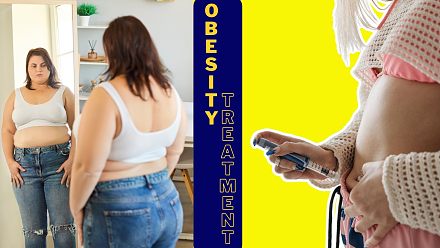
GLP-1 drugs have quickly become a major part of the conversation around obesity treatment, but when it comes to teenagers, the question is not simply whether these medicines can be used.
مصنف Tanya Dutt··22K بار پڑھا
GLP-1 Drugs For Teenagers? WHO Sets Clear Conditions In New Childhood Obesity Guidelines: What Parents Must Know
GLP-1 drugs have quickly become a major part of the conversation around obesity treatment, but when it comes to teenagers, the question is not simply whether these medicines can be used.
The World Health Organization’s first global guidelines on managing obesity in children and adolescents offer clear direction on when medicines, including newer weight-loss drugs, may be considered as part of treatment. The guidance comes at a time when an estimated 170 million children and adolescents aged 5–19 were living with obesity worldwide in 2024, with the prevalence having quadrupled since 1990.
WHO says approved obesity medicines may be considered for adolescents aged 10 to 19 with obesity only when a supervised, multimodal lifestyle programme has not achieved the desired results. For children aged 0–9, the organisation does not recommend obesity medicines, bariatric surgery or weight-loss devices.
The guidelines therefore put lifestyle-based care at the centre, with medicines reserved for specific situations among older adolescents.
Does WHO Recommend GLP-1 Drugs for Children Battling Obesity?
For children aged 0–9 years, WHO does not recommend pharmacological treatment, bariatric surgery or weight-loss devices. The organisation states that the foundation of care at this age must remain comprehensive lifestyle support that enables healthy eating, movement and sustainable behaviour change.
For adolescents aged 10–19, WHO says treatment with approved medicines can be considered only after a supervised multimodal lifestyle programme has failed to achieve the desired results. This means medication is positioned as part of a broader treatment plan rather than as a replacement for diet, physical activity or behavioural support.
The guideline covers pharmacotherapy alongside dietary interventions, physical activity, sedentary behaviour, sleep, behaviour-changing interventions, digital health interventions and, in selected cases, bariatric surgery.
For parents, this distinction is important: the WHO guidance does not suggest that a teenager should simply be given a GLP-1 medicine because they have obesity.
Is Obesity Treatment Only About Weight Loss?
WHO says it should not be. The new guidelines emphasise improving health, functioning and overall well-being, rather than making weight loss the sole measure of successful treatment. They also highlight the mental-health challenges that can accompany childhood obesity.
Children and adolescents living with obesity can experience stigma, discrimination and bullying. WHO notes that anxiety, depression, low self-esteem and emotional difficulties can also contribute to unhealthy eating behaviours, physical inactivity and social withdrawal.
This is why the guidelines call for mental-health concerns and obesity to be addressed together, using developmentally appropriate and family-engaged approaches.
WHO strongly recommends structured dietary, physical activity and behaviour-changing interventions for children and adolescents with obesity. These can be delivered individually or as part of a multimodal programme, with care tailored to the child and family.
That could involve several areas working together rather than focusing solely on calories or the number on the weighing scale.
The guideline also considers sleep and sedentary behaviour, while digital health interventions may be used conditionally when parents or caregivers provide supervision.
What Parents Must Know
For younger children, medication is not recommended. For adolescents, approved medicines can be considered only under specific conditions and after supervised lifestyle interventions have not delivered the desired results. Even then, treatment is intended to be part of broader care rather than a standalone solution.
WHO also stresses that treatment alone cannot reverse the global rise in childhood obesity. Healthier diets and physical activity need to become more accessible and affordable, with action extending beyond clinics and homes to schools, communities and wider food environments.
Healthier diets include access to nutritious food, opportunities for regular physical activity, family involvement and attention to mental well-being. Medicines may have a role for some older adolescents, but they are not a substitute for these foundations. Parents concerned about a child’s weight are encouraged to seek assessment from qualified health professionals who can design an individualised plan aligned with the new guidance.