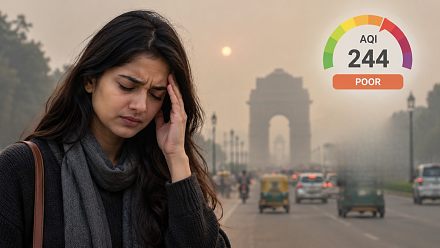
Delhi AQI Hits 244 As Air Quality Turns To 'Very Poor': Why Your Headaches May Be Getting Worse
Lately, even stepping out for a quick errand in Delhi can feel like a headache waiting to happen. And no, it is not always the traffic, the endless honking or a stressful day at work. If you live in Delhi-NCR, worsening
مصنف Tanya Dutt··26K بار پڑھا
Delhi AQI Hits 244 As Air Quality Turns To 'Very Poor': Why Your Headaches May Be Getting Worse
Lately, even stepping out for a quick errand in Delhi can feel like a headache waiting to happen. And no, it is not always the traffic, the endless honking or a stressful day at work. If you live in Delhi-NCR, worsening air quality could be one factor worth considering.
Most people I have met this week have complained of waking up with a dull ache behind their eyes. Delhi’s air quality deteriorated to the ‘poor’ category on October 21, with the AQI reaching 244. Forecasts indicated a further deterioration, with the Air Quality Early Warning System projecting a reading in the ‘very poor’ category for October 22. The shift comes as seasonal pollution builds up across the Capital.
While headaches can have several causes, air pollution may contribute to them in some people, particularly those who already experience migraines. Doctors explain that fine particulate matter and harmful gases can trigger inflammatory responses, irritate the airways and potentially affect pathways involved in pain perception. However, a headache alone cannot confirm that pollution is responsible.
Image: AFP
How Does Polluted Air Actually Trigger A Headache?
High levels of air pollution can activate oxidative stress and inflammatory pathways that lead to headaches. “People may suffer from headaches due to fine particulate matter (PM2.5), nitrogen dioxide and other pollutants causing irritation of the airways and triggering inflammation,” explains Dr. Aditya Gupta, Director – Neurosurgery at Artemis Hospital, Gurugram. “Pollution may also affect the function of blood vessels and trigger the trigeminal nerve. All that may lead to increased occurrence of migraine attacks in those suffering from this condition.”
A review published in the Annals of Indian Academy of Neurology also examined the relationship between air pollution and headache disorders, highlighting the growing scientific interest in how environmental exposure may affect neurological health. However, the evidence does not mean that every headache during pollution season is caused by poor air quality.
Dr. Rajeev Chowdry, Director, Internal Medicine at Yatharth Super Speciality Hospital, Faridabad Sector 20, adds that the fine dust and harmful gases can enter the respiratory tract and set off an inflammatory reaction and oxidative stress. “The inflammatory response and oxidative stress could influence the function of the nervous system and the mechanisms responsible for pain perception,” he says. Pollution can also worsen existing respiratory problems and disturb sleep, both of which make headaches more likely.
How To Tell If Your Headache is Caused By Pollution?
Unfortunately, there is no single symptom that can confirm a pollution-related headache. The timing of the pain and any accompanying symptoms may offer clues, but other causes must also be considered.
Image: AFP
Dr Gupta explains that a headache associated with pollution may develop or worsen after spending time outdoors when air quality is poor. It may occur alongside irritated eyes, coughing or throat irritation. Dr Chowdry similarly notes that symptoms may appear after outdoor exposure during periods of poor air quality. However, these signs can overlap with allergies, respiratory infections and other conditions.
Here is how some common headache patterns may differ:
Possible pollution-related headache: Pain that appears or worsens after outdoor exposure, particularly when accompanied by eye irritation, coughing or a sore throat.
Migraine: Often moderate to severe, sometimes throbbing pain accompanied by nausea and sensitivity to light or sound. Some people also experience visual disturbances.
Sinus-related pain: May occur with nasal congestion, discharge and facial pressure, although migraine can sometimes feel similar.
Dehydration headache: May accompany thirst, a dry mouth, dark-coloured urine or dizziness, particularly when fluid intake has been inadequate.
These symptoms are not definitive diagnostic tests. If headaches keep returning, become more intense or change in character, consult a healthcare professional rather than assuming pollution is the cause.
Is Your Migraine Getting Worse With The Rising Air Pollution?
If you already experience migraines, you may recognise how several seemingly small triggers can combine to bring on an attack. Poor sleep, missed meals, dehydration, stress and environmental changes can all affect headache patterns in susceptible individuals.
Pollution may add to this burden. Dr Gupta says environmental pollutants can trigger migraine attacks in some people, making it important to limit exposure when air quality deteriorates.
For instance, if your usual routine involves an outdoor walk followed by a long commute, you could consider moving your exercise indoors on days when pollution levels are high. Similarly, if you notice headaches becoming more frequent during periods of poor air quality, keeping a symptom diary alongside local AQI readings may help you and your doctor identify possible patterns.
That does not establish a direct cause, but it can provide useful information when discussing your symptoms and treatment.
How To Ease Everyday Headache Due To Pollution?
You cannot control the air outside, but you can take steps to reduce your exposure and manage other factors that may worsen headaches.
Dr Gupta recommends monitoring local air quality, keeping windows closed during pollution peaks where practical and using a HEPA air purifier if available. If you need to go outdoors, a properly fitted N95 respirator can help reduce exposure to airborne particles.
Dr Chowdry also advises checking the AQI, avoiding unnecessary outdoor exposure during high-pollution periods and using a suitably sized HEPA air purifier indoors. If a headache develops, moving to a place with cleaner air and resting may help, although persistent symptoms require medical assessment.
Other practical measures include:
Stay hydrated: Drink water regularly throughout the day, particularly if you spend time outdoors.
Maintain regular sleep and meals: Poor sleep and skipped meals can aggravate headaches in susceptible people.
Follow your prescribed treatment: If you have migraines, continue your doctor’s recommended treatment plan rather than changing medication on your own.
Adjust outdoor activities: Move strenuous exercise indoors when pollution levels are high, and check local air-quality advisories before heading out.
Seek medical advice when needed: Frequent, severe or unusual headaches warrant assessment, especially if your usual treatment is no longer helping.
When To See A Doctor For Your Headache?
Not every headache is an emergency, but certain symptoms should never be dismissed as a reaction to pollution.
Seek emergency medical attention if you develop a sudden, extremely severe headache, weakness or numbness, difficulty speaking, confusion, fainting, a seizure or sudden vision loss. A headache accompanied by fever and a stiff neck also needs urgent assessment.
As Dr Chowdry advises, people experiencing frequent, very strong or unusual headaches should consult a doctor. Do not delay seeking help because you believe smog is the explanation.
As Delhi’s pollution levels rise, paying attention to recurring headaches may help you recognise patterns and reduce avoidable exposure. But the most useful response is not to blame every ache on the air. It is to protect yourself where possible, manage known triggers and seek medical care when symptoms persist or feel different from usual.