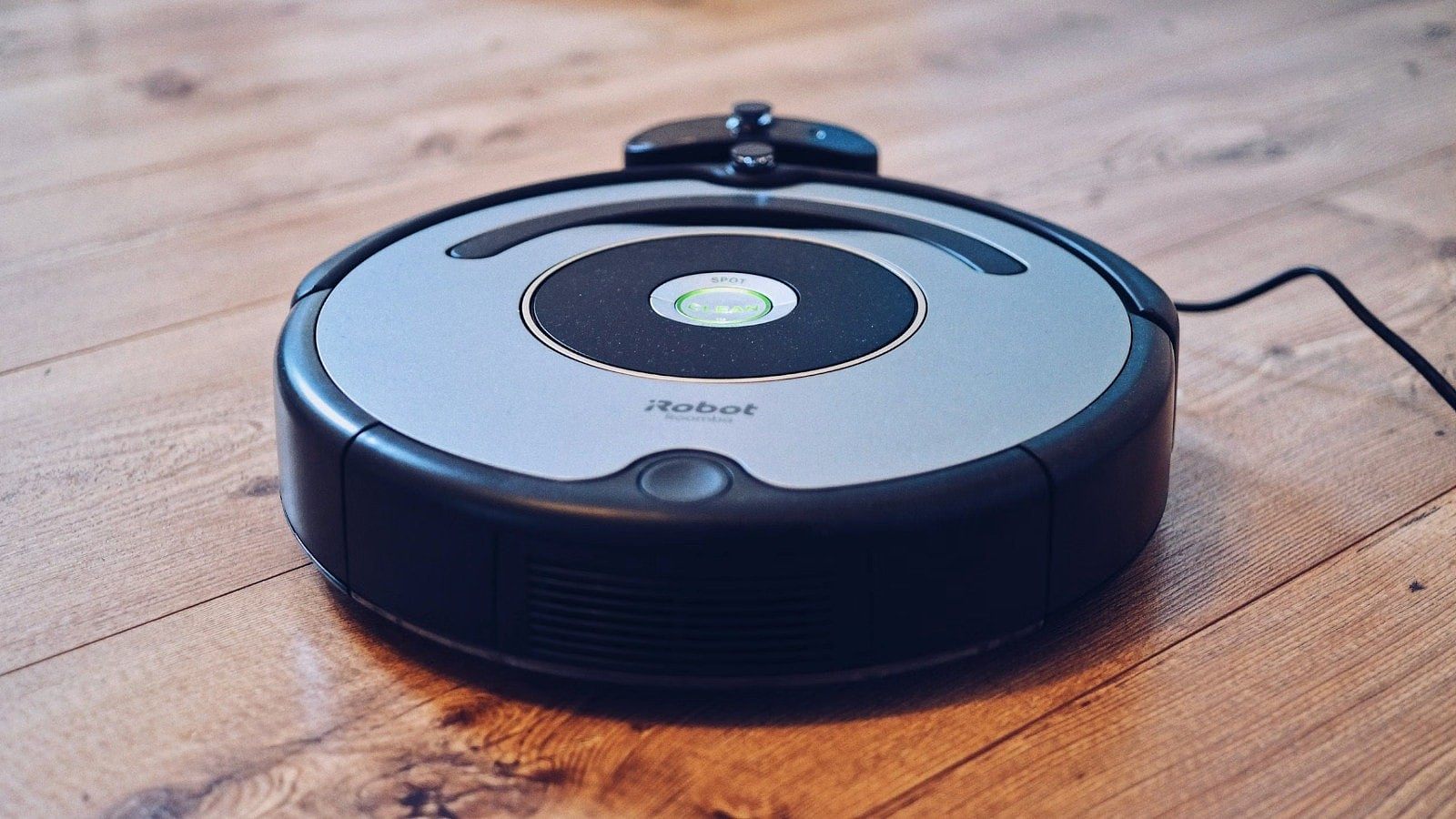
Husband Catches Wife Cheating Seeing Video From Robot Vacuum Cleaner; He Wins Divorce Case But Gets Arrested
A robot vacuum cleaner became an unlikely weapon in a Taiwanese divorce dispute after a man used footage from the device’s camera to support his claim that his wife was involved with another man. The evidence helped him
लेखक Ayush Mukherjee··37K पढ़े गए
Husband Catches Wife Cheating Seeing Video From Robot Vacuum Cleaner; He Wins Divorce Case But Gets Arrested
A robot vacuum cleaner became an unlikely weapon in a Taiwanese divorce dispute after a man used footage from the device’s camera to support his claim that his wife was involved with another man. The evidence helped him secure compensation, but the legal victory came with an extraordinary twist: the same recording ultimately led to his own criminal punishment.
The man was awarded 500,000 Taiwanese dollars, roughly Rs 17 lakh, after a court accepted the footage as evidence supporting his allegations about his wife’s relationship with another man.
However, his wife subsequently took legal action over how the footage had been obtained. She argued that her husband had secretly recorded her inside a private property without her knowledge or consent.
The court agreed with her privacy complaint. The husband was eventually sentenced to five months in prison and ordered to pay a fine of 150,000 Taiwanese dollars, approximately Rs 5 lakh.
The unusual case highlights a difficult legal question surrounding smart home devices: when a connected gadget can see and record what happens inside a home, who has the right to access and use those recordings?
How A Robot Vacuum Became The Centre Of A Divorce Dispute
The couple married in 2021 and reportedly spent time together at a holiday property. According to reports about the case, the husband’s suspicions began during a visit in 2023.
He reportedly noticed a toothbrush in the bathroom that he believed belonged to another man. His concerns grew after he checked CCTV footage from a nearby parking area and saw a man he recognised as someone who had previously driven his wife home.
Several months later, the husband attempted to remotely connect to the robot vacuum at the property through its mobile application.
Instead of simply controlling the appliance, he was able to see video from its built-in camera.
The footage allegedly showed his wife with the same man inside the property. The husband recorded what he saw and later submitted the footage during the legal proceedings concerning the marriage.
What makes the case particularly unusual is that a household appliance normally associated with cleaning floors became an important source of evidence in a highly personal legal dispute.
The Husband Was Awarded Around Rs 17 Lakh
Infidelity itself is not treated as a criminal offence in Taiwan. However, a spouse can pursue civil compensation when an extramarital relationship is found to have infringed upon the rights associated with the marriage.
The husband reportedly sought 2 million Taiwanese dollars from his wife and the other man, an amount equivalent to roughly US$63,000 at the exchange rate cited in reports of the case.
The court ultimately awarded him 500,000 Taiwanese dollars, or around Rs 17 lakh.
The decision represented a significant win for the husband in the civil dispute. But it did not settle the legal consequences of how he had obtained the evidence.
Then The Wife Turned The Camera Evidence Against Him
After the husband used the recordings in court, his wife filed a separate case challenging the legality of the recording itself.
Her argument was straightforward: she had not agreed to being filmed inside a private setting.
She also reportedly argued that the robot vacuum’s camera and indicator lights did not provide sufficient notice that she was being recorded.
The husband attempted to argue that because the recordings had been accepted during the earlier proceedings, their use should not subsequently be treated as unlawful.
The court rejected that reasoning. Accepting a recording as evidence in one legal proceeding does not automatically make the method used to obtain that recording lawful. In this case, the court found that the husband’s secret recording had violated his wife’s privacy.
The husband was sentenced to five months behind bars and fined 150,000 Taiwanese dollars, approximately Rs 5 lakh or US$4,700.
That left him in an extraordinary position. His recordings had helped him win compensation in the dispute involving his wife’s alleged affair, but the act of making those recordings without her consent resulted in a criminal conviction.
The case is unusual because of the circumstances, but it also raises a broader issue about connected devices in modern homes. Robot vacuums are no longer limited to mapping floors and automatically returning to their charging stations. Some models include cameras, microphones, sensors and smartphone connectivity, allowing owners to interact with them remotely.
That convenience can also create privacy concerns when cameras inside a home capture people who may not realise that they are being recorded.
The Taiwanese case demonstrates that having technical access to a camera does not necessarily mean that a person has unlimited legal permission to record what it sees. The distinction between owning a device and having the right to capture private footage can become particularly important when another person is being filmed.