Festive Sweet Shopping? Use These Tricks To Spot Genuine Motichoor Laddus
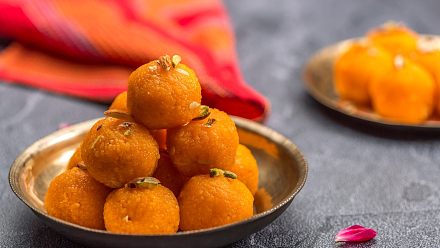
Motichoor laddus are a much-loved part of Indian celebrations. From festivals and weddings to pujas and family milestones, the bright orange sweet often finds a place on every festive platter.
লেখক Lifestyle Desk··28K বার পড়া
Festive Sweet Shopping? Use These Tricks To Spot Genuine Motichoor Laddus
Motichoor laddus are a much-loved part of Indian celebrations. From festivals and weddings to pujas and family milestones, the bright orange sweet often finds a place on every festive platter.
However, an attractive colour and elaborate garnish do not always indicate good quality. Some laddus may contain excessive food colouring, artificial flavouring or low-quality fat. While appearance alone cannot confirm purity, a few simple checks can help you choose fresher and better-quality motichoor laddus.
Examine The Boondi Pearls
The name motichoor loosely refers to crushed pearls, and the sweet is traditionally made with extremely fine boondi. A good motichoor laddu should have tiny, evenly sized pearls that bind together while retaining a delicate texture.
If the boondi pieces are unusually large or uneven, the sweet may be closer to a regular boondi laddu than traditional motichoor. A well-made laddu should also feel soft and melt easily in the mouth.
Avoid Unnaturally Bright Colours
Good-quality motichoor laddus usually have a golden, yellow-orange or moderately orange appearance. Be cautious if the colour looks unusually bright, fluorescent or deep red, as this may indicate the liberal use of food colouring.
Colour alone cannot determine the laddu’s quality, but an overly vivid appearance is a reason to check its ingredients or ask the seller for more information.
Check The Aroma
A fresh motichoor laddu should have a pleasant aroma, typically carrying notes of ghee, cardamom or saffron, depending on the recipe.
A strong, perfume-like smell may suggest the use of artificial flavouring or essence. The aroma should be inviting but not overpowering.
Look For The Right Amount Of Moisture
Pick up the laddu gently, if the shop allows it. It should feel soft and hold its shape without crumbling immediately.
A little richness on the surface is normal, particularly when ghee has been used. However, a laddu that feels excessively greasy or releases oil may not have been prepared or stored properly.
Taste For Balanced Sweetness
A well-made motichoor laddu should offer more than an intense burst of sugar. Its sweetness should be balanced by the flavours of ghee, cardamom, saffron or nuts used in the recipe.
If it tastes overwhelmingly sweet and lacks any other flavour, it may have been made with excess sugar syrup or inferior ingredients.
Check Its Freshness
Fresh motichoor laddus are generally soft, moist and easy to break. Old or improperly stored laddus may turn dry, hard or develop an unpleasant smell.
Before buying, ask when the batch was prepared and check the use-by or best-before date on packaged sweets. Avoid laddus that appear unusually dry, smell stale or have visible signs of mould.
Buy From A Reliable Seller
During festivals, demand for sweets rises sharply, making it especially important to shop carefully. Choose a clean and reputable sweet shop, check the ingredient list when available and ask whether the laddus contain ghee, vegetable oil, permitted food colouring or artificial flavouring.
For packaged sweets, examine the seal, manufacturing date, best-before date and FSSAI licence details. These checks offer a more reliable indication of safety than judging a laddu solely by its colour or decoration.
Remember: These signs can help you assess freshness and overall quality, but they cannot conclusively detect adulteration. If a sweet looks, smells or tastes unusual, it is safer not to consume it.