Govt Introduces 0.4% MDR On UPI Payments Above Rs 2,000: How Will It Impact Your Expenses?
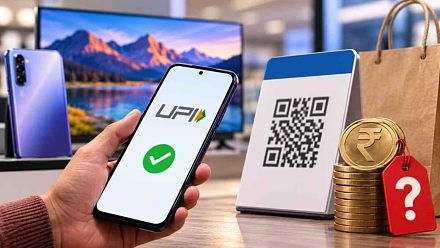
The Union Government has amended the Payment and Settlement Systems (PSS) Act, 2007, to pave the way for a 0.4% Merchant Discount Rate (MDR) on person-to-merchant transactions above Rs 2,000.
مصنف Aveek Banerjee··13K بار پڑھا
Govt Introduces 0.4% MDR On UPI Payments Above Rs 2,000: How Will It Impact Your Expenses?
The Union Government has amended the Payment and Settlement Systems (PSS) Act, 2007, to pave the way for a 0.4% Merchant Discount Rate (MDR) on person-to-merchant transactions above Rs 2,000.
The National Payments Corporation of India (NPCI) has clarified that no charges will be levied on person-to-person (P2P) transactions, irrespective of transaction value. However, a nominal MDR of 0.4% will apply to person-to-merchant (P2M) transactions exceeding Rs 2,000. The revised framework will be affected from October 15.
Furthermore, MDR will be capped at Rs 300 per transaction for high-value transactions of Rs 75,000 and above. Railways, telecom, insurance, fuel sectors, and agriculture inputs will pay a flat MDR of Rs 5 per transaction above Rs 2,000.
Regarding Merchant Discount Rate (MDR) on Select UPI (P2M) Transactions
Please refer to the FAQs here: https://t.co/DTOZFVHAVB pic.twitter.com/4HMU0YZ2AC
— NPCI (@NPCI_NPCI) September 15, 2026
What Is MDR?
The Merchant Discount Rate (MDR) is a charge within the merchant payment ecosystem. It is not a charge on customers making UPI payments. The MDR is distributed amongst the UPI ecosystem to further investment in infrastructure resiliency, innovation, cybersecurity and customer service.
Banks have been advised to ensure that merchants do not pass MDR charges on to customers. UPI application providers are expressly prohibited from imposing platform fees or hidden charges.
It is important to note that individuals will not be charged for using UPI while lending money to another individual, even if the amount exceeds Rs 2,000. The MDR will be applicable only to a customer during a purchase of above Rs 2,000.
How Will It Impact Customers?
There is no impact on small-value UPI transactions of up to Rs 2,000, which comprise at least 96% of the total volume of P2M UPI transactions. This ensures that micro and small businesses remain shielded from cost burdens.
The MDR is a merchant-side cost, meaning it would be passed to merchants first. The government has clarified that UPI services will continue without any cost to consumers. Consumers can continue to transact free of cost using UPI as they have been doing till now.
This means that for a transaction of Rs 2,500, the customer will have to pay Rs 2,500 only, while the merchant bears the additional Rs 10 cost.
You will not be charged for scanning QR codes at local markets, street vendors or small retail shops, regardless of the purchase amount. The NCPI said the proposed MDR is significantly lower than credit card fees and shopkeepers have no incentive to inflate retail shelf prices, meaning consumers will continue to pay the exact listed price for goods and services.
For a Rs 3,000 purchase, applying the 0.4% rate results in an MDR fee of Rs 12 paid by the merchant to its acquiring bank. For a transaction of Rs 5,000, the cost is Rs 20, and Rs 40 for a transaction of Rs 10,000.
In case of a high-value purchase of Rs 100,000, the 0.4% MDR equals Rs 400. However, the MDR for high-value purchases above Rs 75,000 has been capped to Rs 300.
What About Payments On Railways, Fuel?
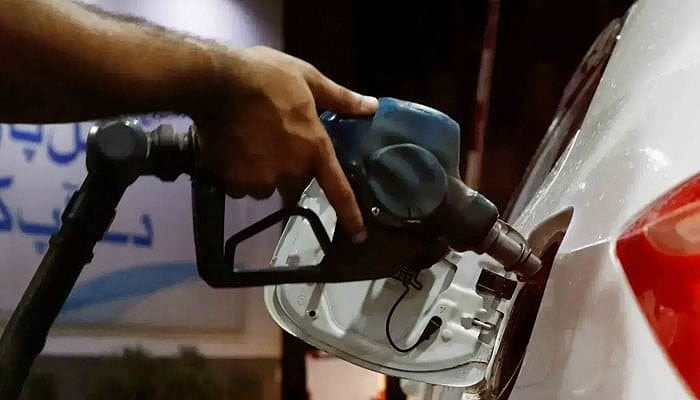
For specific merchant categories such as railways, telecom services, insurance, and fuel, among others, a flat MDR of Rs 5 per transaction shall be applicable for transactions above Rs 2,000. The flat-rate model is aimed at preventing cost escalations in public services.
Usually, some businesses pass on the MDR to consumers. However, the NCPI has clarified that merchants onboarded cannot pass on MDR charges to customers while accepting payments through UPI, and consumers should only pay the listed price.
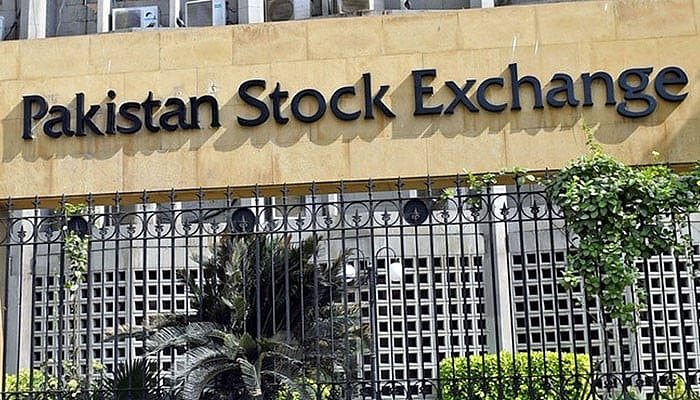
Payments involving mutual funds, securities, stock brokers and dealers will attract a lower MDR of 0.02%, capped at Rs 300.
The government also said that small merchants receiving up to Rs 1 lakh per month via UPI QR codes under the Person-to-Person-Merchant (P2PM) classification will continue to enjoy mandatory zero MDR for all transactions.
UPI app providers have been explicitly prohibited from levying platform fees or hidden charges for transactions.