Your Child May Look Fine, But Rising Smog In India Could Be Harming Their Lungs For Years
As air pollution returns to the spotlight during the smog season, parents often worry about immediate symptoms such as coughing, sneezing, watery eyes and breathlessness. But doctors warn that the effects of polluted air
مصنف Mallika Bhagat··29K بار پڑھا
Your Child May Look Fine, But Rising Smog In India Could Be Harming Their Lungs For Years
As air pollution returns to the spotlight during the smog season, parents often worry about immediate symptoms such as coughing, sneezing, watery eyes and breathlessness. But doctors warn that the effects of polluted air on children may extend beyond temporary irritation, particularly when exposure is repeated during the years their lungs are still developing.
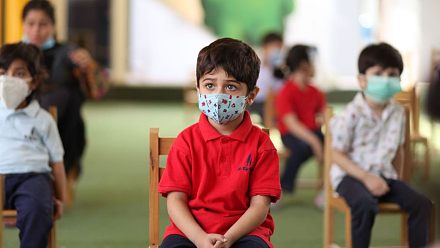
From travelling to school through traffic and waiting at busy junctions to playing outdoors, children can encounter polluted air at several points during the day. Even when they appear healthy, repeated exposure to harmful pollutants may affect their respiratory health over time.
Dr A Jayachandra, who works as a Clinical Director and Senior Interventional Pulmonologist at CARE Hospitals, Banjara Hills, Hyderabad, explains: “As their lungs are still developing, regular exposure to harmful pollutants can affect lung growth and breathing capacity. These effects may not be immediately noticeable but can continue into adulthood.”
Why are children more vulnerable to smog?
Children are not simply smaller versions of adults when it comes to respiratory health. Their lungs and airways are still developing, and their breathing patterns and activities can expose them to a greater dose of pollutants relative to their body size.
Dr Akshay Budhraja, Senior Consultant and Head of Respiratory and Sleep Medicine at Aakash Healthcare Superspeciality Hospital, says, “When the air turns heavy each season, we see the same pattern — parents arriving with children who have been coughing for weeks. Many families do not realise that a child’s lungs are not simply smaller versions of an adult’s. They are still growing, and that growth continues well into the late teens. Every breath of polluted air during these years can affect how well the lungs develop.”
Their narrower airways are another concern. Even relatively mild inflammation can make breathing difficult, particularly for children who already have respiratory conditions. Dr Shipra Jaiswal, paediatrician at Rama Hospital, says children are especially vulnerable because their bodies are still developing. Exposure to dust, smoke and harmful gases can irritate their airways, trigger swelling and make breathing harder.
Children who attend schools near busy roads, spend long periods outdoors or live in areas with persistently poor air quality may face repeated exposure. Those with asthma or other existing respiratory conditions can be particularly affected when pollution levels rise.
What does PM2.5 do to a child’s lungs?
One of the major concerns during periods of severe air pollution is PM2.5, or fine particulate matter measuring 2.5 micrometres or less in diameter. These particles can penetrate deep into the respiratory system, where they can irritate the airways and contribute to inflammation.
Dr Jayachandra explains that fine particles found in vehicle exhaust and smoke can travel deep into the lungs. Repeated exposure may increase the risk of respiratory symptoms, including coughing, wheezing and asthma.
Dr Budhraja warns that the consequences may extend beyond the immediate discomfort associated with polluted air. “Over time, repeated exposure can lead to frequent coughs and colds, wheezing, and a higher risk of asthma. It may also leave children with lungs that never reach their full capacity, a deficit that can stay with them into adulthood,” he says.
Dr Jaiswal similarly warns that pollutants can interfere with respiratory health during the years when children’s lungs are growing. Dust, smoke and harmful gases can irritate the airways, trigger swelling and make breathing difficult. “I have watched children breathing air pollution cough a lot, wheeze, get lung infections, and see asthma get worse,” she says.
Persistent coughing and wheezing: Symptoms parents should not ignore
A cough during smog season can easily be mistaken for a routine cold or a temporary reaction to changing weather. However, persistent symptoms, recurring respiratory complaints or difficulty breathing during physical activity warrant attention.
According to the doctors, parents should watch for:
A cough that persists or keeps returning.
Wheezing or unusual whistling sounds while breathing.
Breathlessness during play, walking or other routine activities.
Night-time coughing or wheezing.
Worsening asthma symptoms or increased breathing difficulty during periods of poor air quality.