Too Many Dishes, Too Little Thought? The New Rules Of Wedding Food
Indian wedding menus are getting bigger, more elaborate and increasingly experiential. But as couples chase novelty, multiple cuisines and Instagram-worthy food moments, wedding experts say the real luxury may lie in doi
مصنف Swati Chaturvedi··12K بار پڑھا
Too Many Dishes, Too Little Thought? The New Rules Of Wedding Food
Indian wedding menus are getting bigger, more elaborate and increasingly experiential. But as couples chase novelty, multiple cuisines and Instagram-worthy food moments, wedding experts say the real luxury may lie in doing less and doing it better.
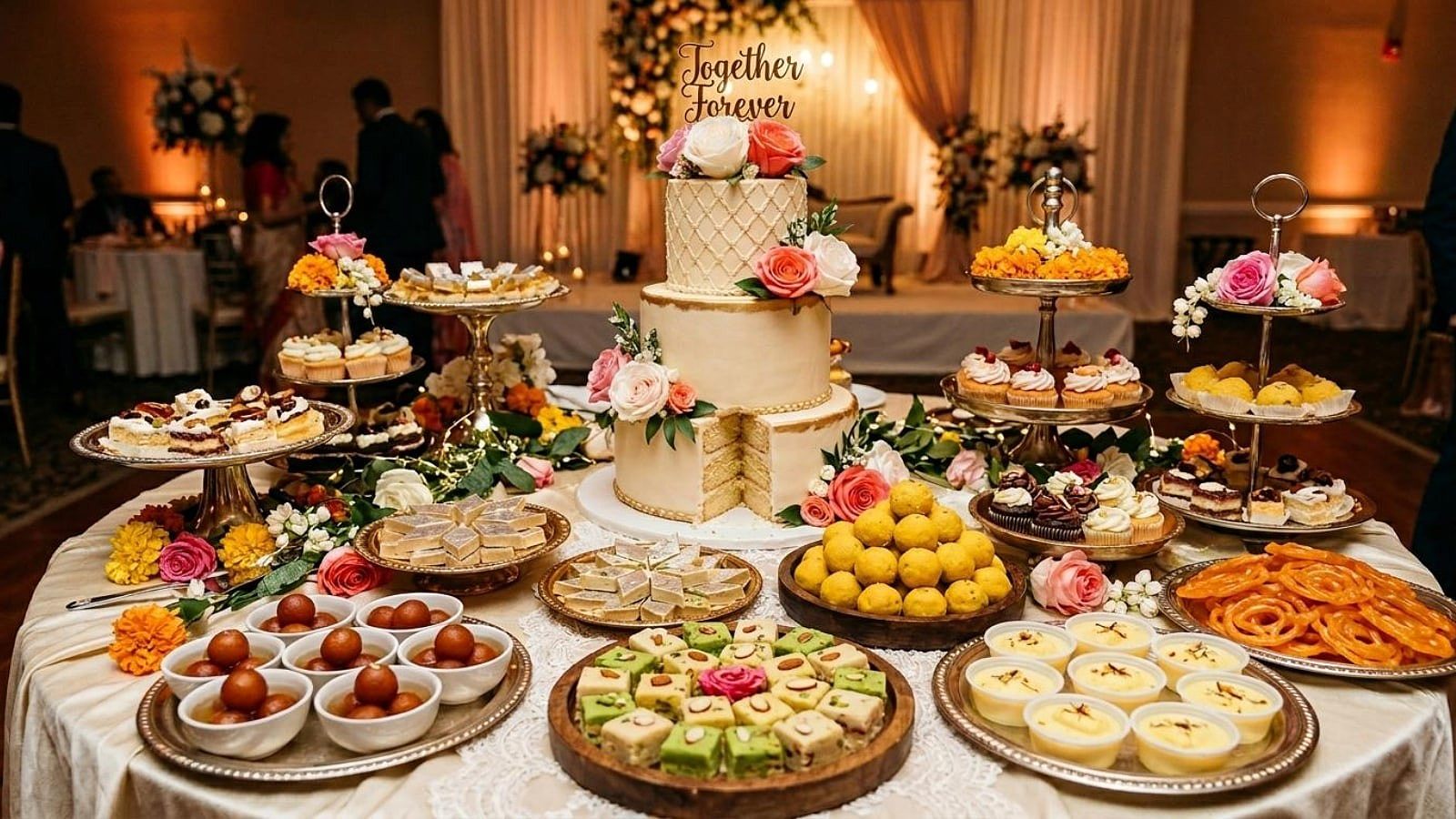
At a time when the wedding menu has become almost as important as the décor, the bar and the bridal wardrobe, couples are rethinking what it means to feed a guest well. There are live counters, regional pop-ups, personalised menus, plated courses and elaborate dessert tables. Yet behind all that abundance lies a surprisingly simple question: does the food actually make sense for the people eating it?
According to chefs, hospitality professionals and wedding planners, the answer is often more complicated than simply adding another cuisine to the menu.
When More Food Doesn’t Mean A Better Wedding
“One of the biggest mistakes couples make while planning wedding food is treating the menu as a checklist rather than an experience,” says Kratika Gupta, co-founder, Ala-Chaat.
The instinct to please everyone can result in sprawling menus featuring several cuisines and hundreds of dishes. But variety without curation can overwhelm guests, dilute quality and create unnecessary waste.
“A well-curated menu with thoughtfully selected dishes is far more impactful than an overloaded spread,” Gupta says, adding that the menu should reflect the couple’s personality, guest profile, season, venue and format of the wedding.
Yashwini Naik, Global Sales Director, Shangri-La Group, sees a similar pattern, particularly at Indian destination weddings.
“One of the most common misconceptions we see when planning Indian destination weddings is that a larger menu automatically creates a better guest experience,” she says.
Instead, Naik believes the most memorable menus are often built around details that mean something, family favourites, regional specialities or dishes connected to the couple and their families.
The Guest Journey Matters As Much As The Menu
A spectacular menu can still fail if guests have to queue for 20 minutes to reach it. “Food is not just about what is served; it is about how it is experienced,” says Gupta. Live counters, interactive stations, plated courses and dessert sections need to be planned around guest movement, while service and replenishment become especially important when hundreds or thousands of people are dining simultaneously.
For Nikhil Chopra, Co-founder, G Events, the food also needs to work with the rhythm of the celebration. “Timing is equally important,” he says. “The same menu can feel very different depending on when and how it is served.”
A cocktail evening, for instance, may call for elegant, bite-sized portions and interactive stations, while a wedding brunch can benefit from a lighter and more relaxed format. Food service also needs to be timed around performances, rituals and other elements of the celebration.
Every Wedding Function Doesn’t Need The Same Food
One of the easiest ways to make a multi-day wedding feel repetitive is to serve essentially the same culinary experience at every event. Naik recommends thinking about each function independently. A family gathering, sangeet, cocktail evening and wedding reception have different atmospheres and guest expectations and the food can help define those moods.
The result is not necessarily more food, but more distinct food experiences.
The Season And The Guest Should Influence The Menu
A summer wedding and a winter wedding should not eat alike. Weather and seasonality can influence everything from ingredients and cooking styles to beverages and portion sizes. Gupta also points to the importance of considering dietary requirements from the beginning rather than treating them as last-minute requests.
Vegetarian, vegan, Jain, gluten-conscious and children’s options should be incorporated into the planning process, particularly when a wedding brings together guests from different generations, cities and cultural backgrounds.
Chopra believes guest demographics should play a central role too. “The menu should offer a thoughtful balance of familiar favourites, regional specialties, contemporary options, and vegetarian and dietary-friendly choices,” he says.
Don’t Choose A Dish Just Because It’s Trending
Wedding food is increasingly influenced by social media, where elaborate presentations and novelty dishes can quickly become the next big thing.
But there is a difference between a memorable food moment and a gimmick.
“Food should complement the wedding rather than become a gimmick,” Chopra says.
His advice is to give personal meaning priority. A dish associated with the couple’s childhood, a family recipe or a regional speciality can have far more emotional impact than a fashionable dish chosen simply because it is currently trending.
The Tasting Is More Important Than You Think
The tasting is often treated as one of the more enjoyable parts of wedding planning. But it should also be one of the most rigorous. A dish that tastes perfect when prepared for a handful of people may behave very differently when it has to be cooked, plated and served to 1,000 or 2,000 guests.
Couples should therefore evaluate more than flavour. Portion sizes, temperature, presentation, replenishment, service style and consistency all need to be considered.
“Tasting is not something that should be rushed,” says Chopra. Gupta makes a similar distinction between tasting a dish and assessing whether a caterer can execute it at scale.
The New Luxury Is Thoughtful, Not Excessive
Perhaps the biggest shift in wedding dining is also the simplest: couples don’t necessarily need to impress guests with the longest menu.
As Naik puts it, great wedding dining extends beyond the food itself. Service, presentation, timing and execution can determine whether an impressive menu actually becomes an impressive experience.
The most successful celebrations, she says, are not necessarily those with the largest spreads, but those where every element feels considered, personal and authentic.
And perhaps that is where Indian wedding food is heading next, away from abundance for abundance’s sake and towards menus that have meaning, rhythm and a reason to be remembered.