The Rise Of 'Zebra Drinking': How Gen Z Is Redefining Beer Culture
The wellness generation is changing what’s in the glass: There was a time when beer marketing revolved around excess: bigger pints, longer nights, and stronger brews. Today, however, the narrative is changing. For Gen Z
مصنف Swati Chaturvedi··21K بار پڑھا
The Rise Of 'Zebra Drinking': How Gen Z Is Redefining Beer Culture
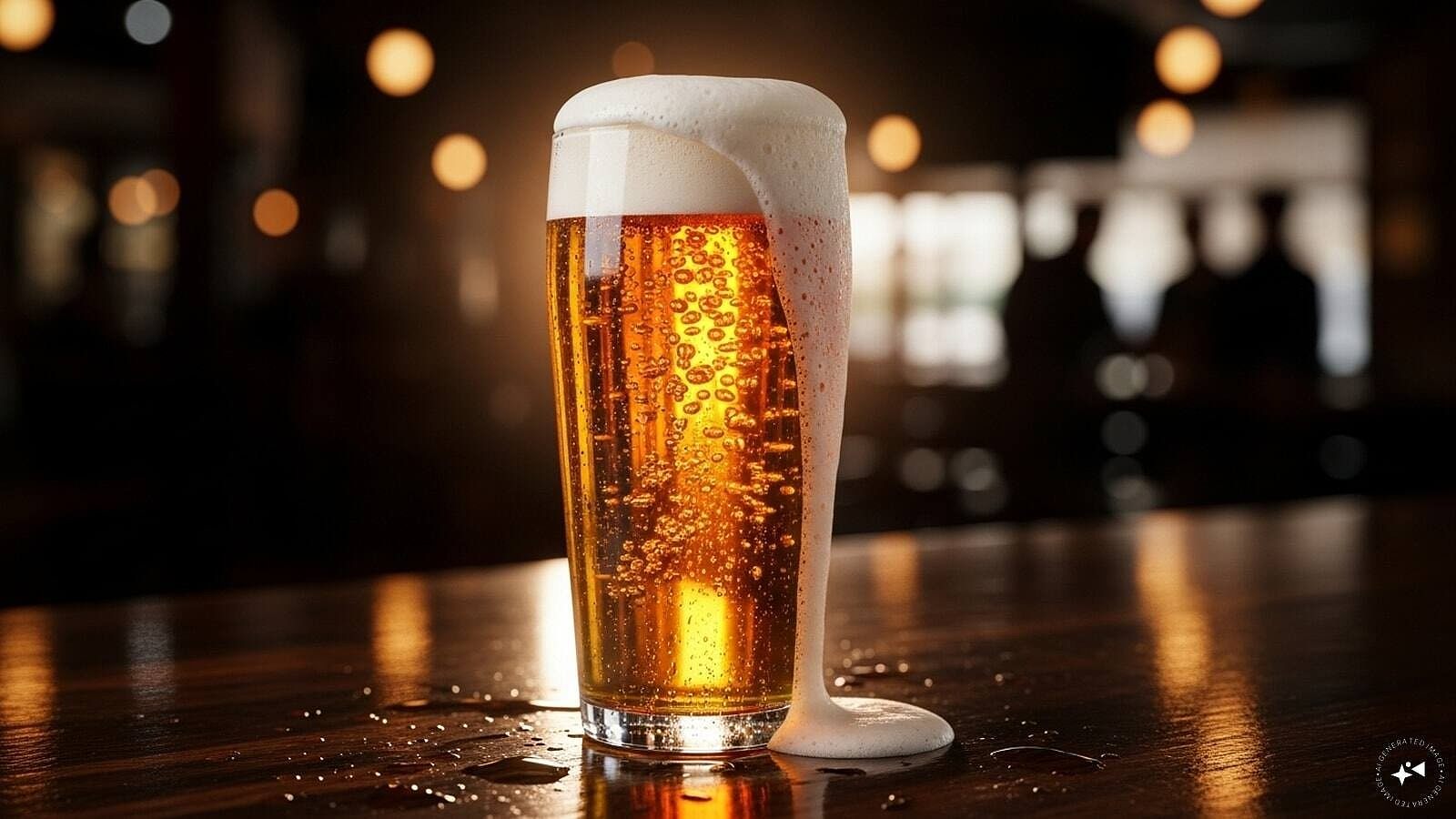
The wellness generation is changing what’s in the glass: There was a time when beer marketing revolved around excess: bigger pints, longer nights, and stronger brews. Today, however, the narrative is changing. For Gen Z and younger millennials, drinking is becoming less about intoxication and more about intention. Wellness, moderation, and mindful consumption are increasingly shaping purchasing decisions, giving rise to a new generation of beer drinkers who want flavour and experience without compromising their health goals.
This shift is prompting breweries across the world to rethink what belongs in a pint glass. From low-alcohol lagers and alcohol-free craft beers to gut-friendly brews and functional beverages, innovation is moving beyond taste to include nutrition, balance, and recovery.
Beer is getting a healthier makeover
Vidhatha Annamaneni, co-founder, Ironhill India, believes this isn’t a passing trend but a structural shift in consumer behaviour. “A tangible trend is unfolding that we cannot dismiss because the pattern is becoming consistent across markets,” she says. “The most notable shift in the beer industry is the proliferation of low- and no-alcohol brews alongside functional beers designed to minimise hangovers while offering wellness benefits. Consumers are also gravitating towards unfiltered beers for gut health and even hard kombuchas enriched with probiotics.”
Rather than viewing these products as compromises, Annamaneni believes they are a natural extension of craft brewing’s philosophy.
“Gen Z and millennials are redefining what they expect from beer, quality, health, intention and balance over volume. At Ironhill, we see low-ABV and non-alcoholic innovation as an extension of craft brewing itself. The focus has always been on premium ingredients, small-batch experimentation and delivering a better drinking experience.”
Why moderation is becoming aspirational
The trend is hardly limited to India. Across Europe, North America and Australia, sales of low- and no-alcohol beverages have climbed steadily as consumers increasingly embrace concepts such as ‘zebra drinking’, alternating between alcoholic and non-alcoholic beverages during the same social occasion. The goal isn’t abstinence; it’s moderation without sacrificing the social ritual.
Lynette Pires, Masterbrewer, Flying Fox Brewing, says India is following this global movement, albeit at its own pace.
“Globally, drinking habits are evolving, with more consumers embracing low- and no-alcohol beverages as well as zebra drinking,” she explains. “India, however, remains a relatively young alcohol market compared to more mature global markets, with overall consumption and drinking occasions continuing to grow. Even so, the new generation of consumers is becoming increasingly mindful of what they drink, placing greater emphasis on moderation, wellness and informed choices.”
For brands operating in the alco-beverage space, she says, this changing mindset presents an opportunity rather than a challenge.
“The industry now has the chance to innovate with products that balance enjoyment with evolving health and lifestyle preferences.”
Craft breweries are brewing for a new kind of consumer
The impact of this shift is already visible in bars and restaurants, where drinking habits are becoming noticeably more nuanced. At Sola Bistro & Bar in Puducherry, Chef Nischal Biswakarma has observed younger consumers making more considered choices.
“Beer continues to be the preferred choice among many of our Gen Z and Millennial guests, but their drinking habits are becoming far more intentional,” he says. “Around 30–35% of our guests now opt for low-alcohol beverages and mocktails during social occasions.”
Yet moderation doesn’t necessarily mean stronger beers are losing relevance.
“Another segment still chooses higher-ABV beers such as Corona and Magnum, reflecting the diversity of preferences within this demographic,” Biswakarma adds. “While price remains an important factor for some consumers, there’s a noticeable shift toward balancing enjoyment with wellness. Today’s guests want to socialise without compromising their fitness goals, health or next-day productivity.”
According to him, this changing consumer mindset is encouraging breweries to innovate with a broader range of low-ABV, low-carb and alcohol-free beers that deliver flavour without excess.
The future of beer is about drinking smarter
The beer industry today looks very different from what it did a decade ago. Conversations are no longer centred solely on alcohol percentage or brand loyalty. Consumers are reading labels, looking for cleaner ingredients, exploring functional beverages and choosing drinks that align with their lifestyles.
For breweries, innovation now extends beyond seasonal flavours and experimental hops. It means creating beers for people who want to enjoy the ritual of sharing a drink while staying mindful of their health, fitness goals and overall well-being.
If previous generations celebrated drinking more, Gen Z and Millennials seem to be embracing a different philosophy altogether-drinking better. And for an industry rooted in tradition, that shift may prove to be its most significant transformation yet.