Swara Bhasker Hospitalised With Dengue: 5 Symptoms You Should Keep An Eye For In Monsoon
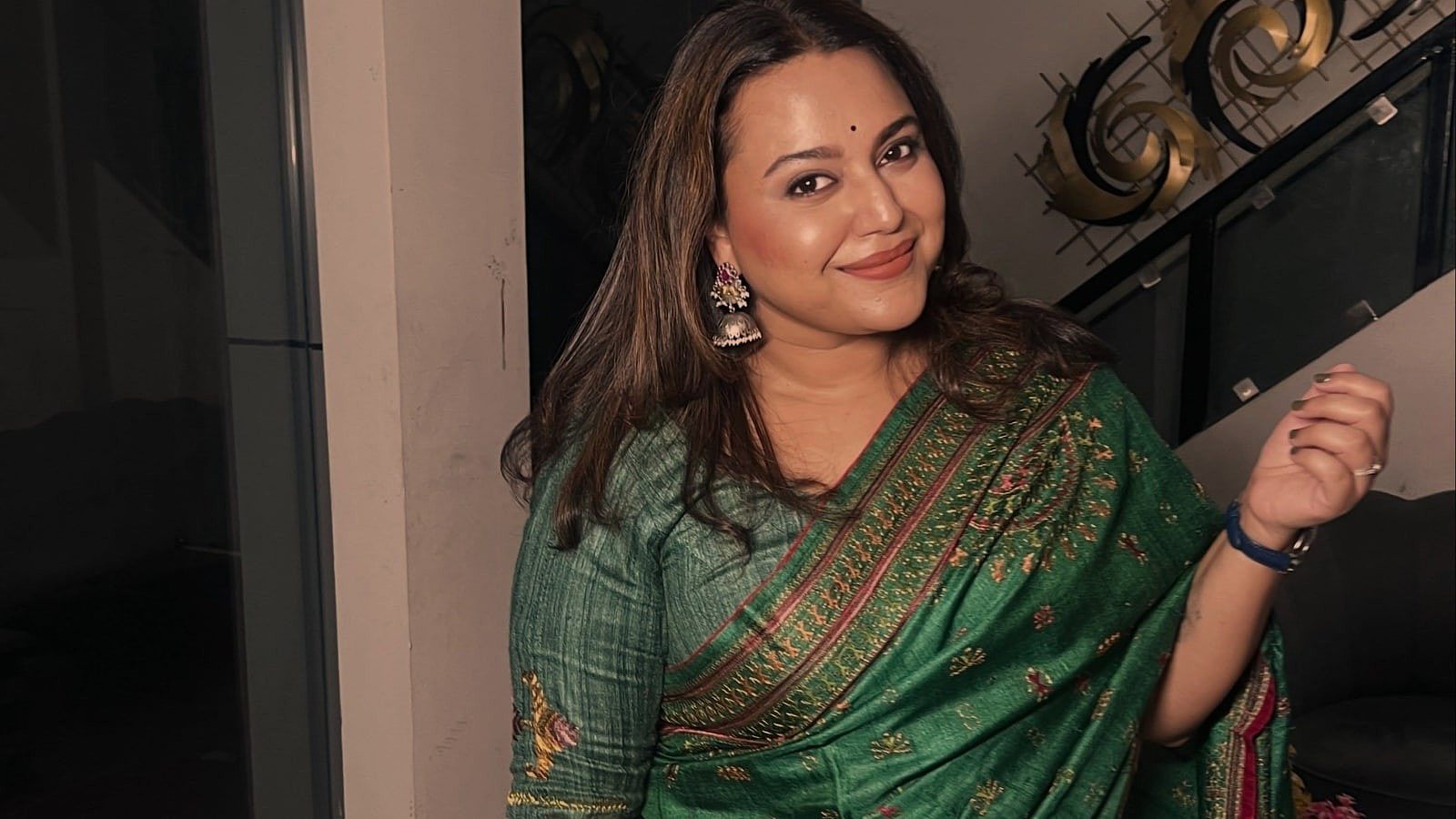
Swara Bhasker has been admitted to a hospital for dengue. The actor took to Instagram Stories to share a health update with her fans. She can be seen wearing a blue-and-white chequered hospital gown, with an IV drip line
مصنف Abigail Banerji··24K بار پڑھا
Swara Bhasker Hospitalised With Dengue: 5 Symptoms You Should Keep An Eye For In Monsoon
Swara Bhasker has been admitted to a hospital for dengue. The actor took to Instagram Stories to share a health update with her fans. She can be seen wearing a blue-and-white chequered hospital gown, with an IV drip line in her hand.
In the photo, the mum of one wrote, “Well that escalated fast. Dengue-fied and hospitalised!”
She is not the only actor who has been diagnosed with dengue. Balika Vadhu actor Avika Gor was also recently hospitalised. Her husband, Milind Chandwani, shared an update about her health in a video on Instagram.
Dengue used to be a season-specific illness in India, and the onset of the monsoons would mean that you would see an increase in the rise of mosquito-borne diseases. However, new reports have stated that dengue has now become a year-long battle. The primary cause is warmer temperatures that allow mosquitoes to reproduce faster and transmit dengue earlier in the year. A report by GAVI also mentions how heavy rainfall and prolonged dry spells both create ideal breeding sites through standing water and household water storage.
Over the past five years, the country officially logged nearly 968,000 dengue cases. The crisis peaked in 2023, when an outbreak caused a record 289,235 cases and 485 deaths.
Symptoms of dengue
The Centres for Disease Control shares these symptoms for dengue:
Fever
Joint and muscle pain
Headache and eye pain
Nausea and vomiting
Rash on the body
Signs of severe dengue that you should keep an eye out for:
Bleeding from nose and gums
Belly pain and tenderness
Vomiting (3 or more times in 24 hours)
Blood in stool
Vomiting blood
Preventive measures for dengue in the monsoon
To prevent the spread of dengue in the monsoon and year-round, it is important to understand how dengue mosquitoes spread the disease. Aedes aegypti, the mosquitoes that spread dengue, breeds in water. It can be either stored or has just been collected around your homes and in and around the city. If there is stagnant water, it provides an easy breeding ground throughout the year. Metropolis Hospital shares these preventive measures to take in the monsoon:
Remove stagnant water every week. Check these areas in your homes:
Flowerpot trays and vases
Air cooler tanks
Buckets, tubs and drums
Pet water bowls
Refrigerator drip trays
Bird baths
Tarpaulins and plastic sheets
Old tyres, bottles, cans and coconut shells
Roof gutters, balconies and drains
When storing your water, ensure that it is cover properly: Use tight-fitting lids on tanks, drums, buckets and other water storage containers. Repair damaged covers. Do not leave gaps through which mosquitoes can enter.
Avoid getting mosquito bites in the day: Apply a proven mosquito repellent to exposed skin. Wear loose, light-coloured clothes that cover your arms and legs. Full-sleeved shirts, long trousers, socks and closed footwear can reduce exposed skin.
Keep mosquitoes out of your home: Install mesh screens on windows and doors. Repair holes promptly. Keep doors closed where practical. Use mosquito nets for babies, older adults, people who are unwell and anyone sleeping during the day.
Dengue Vaccine in India
The Central Drugs Standard Control Organisation (CDSCO) has approved QDENGA, a dengue vaccine developed by Japanese pharmaceutical Takeda Pharmaceutical. The approval comes as dengue cases continue to rise across the country.
QDENGA is a tetravalent live-attenuated vaccine, meaning it is designed to protect against all four dengue virus serotypes (DENV-1, DENV-2, DENV-3 and DENV-4).
One of its key advantages is that it protects against all four dengue strains and can be given regardless of whether a person has previously had dengue. It does not require pre-vaccination dengue testing, making it easier to administer on a large scale.
Who Can Get The Vaccine?
Based on recommendations from the expert committee, the Drugs Controller General of India (DCGI) has approved the vaccine for people aged 4 to 60 years. The vaccine is administered in two doses.
What is the cost of the dengue vaccine?
The vaccine requires two doses, with the estimated price of each dose ranging between Rs 6,000 and Rs 12,000. However, experts expect the cost to decline in the coming years as domestic production increases.