Masik Shivaratri September 2026: Date, Tithi And Puja Timing
Masik Shivaratri is a monthly Hindu observance dedicated to Lord Shiva and is marked on Chaturdashi Tithi during Krishna Paksha. Devotees observe a fast, offer prayers to Lord Shiva, perform Abhishekam and stay awake dur
مصنف Nibandh Vinod··19K بار پڑھا
Masik Shivaratri September 2026: Date, Tithi And Puja Timing
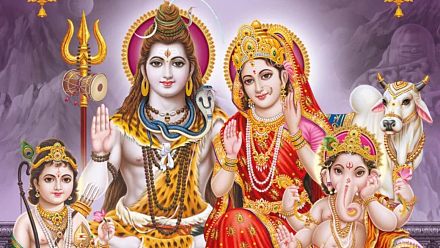
Masik Shivaratri is a monthly Hindu observance dedicated to Lord Shiva and is marked on Chaturdashi Tithi during Krishna Paksha. Devotees observe a fast, offer prayers to Lord Shiva, perform Abhishekam and stay awake during the night as part of their spiritual practice. The most significant worship is traditionally performed during Nishita Kaal, the midnight period.
As per Drik Panchang, Masik Shivaratri in September 2026 falls on Wednesday, September 9. The observance falls on Bhadrapada Krishna Chaturdashi and devotees can perform Shiva Puja during the Nishita Kaal.
Masik Shivaratri September 2026: Date And Puja Timing
Masik Shivaratri falls during Bhadrapada Krishna Paksha Chaturdashi, the 14th lunar day of the waning phase of the Moon. It begins at 12:30 PM on September 9, and ends at 10:33 AM on September 10.
The main Shiva Puja on Masik Shivaratri is traditionally performed during Nishita Kaal, the midnight period. According to Drik Panchang, Shivaratri Puja is suggested during Nishita Kaal, which is the preferred period for performing Shiva worship on Shivaratri.
The Nishita Kaal falls during the night of September 9 and continues into the early hours of September 10, 2026.
What is Masik Shivaratri?
Masik Shivaratri refers to the monthly Shivaratri observance. It is observed when Chaturdashi Tithi occurs during Krishna Paksha. According to Drik Panchang, each month’s Krishna Paksha Chaturdashi is known as Masik Shivaratri.
The occasion is dedicated to Lord Shiva. Devotees traditionally observe a fast, chant Shiva mantras, perform Abhishekam and offer prayers during the night. The principal worship is performed during Nishita Kaal.
Significance of Masik Shivaratri
Shivaratri is traditionally associated with the convergence of Shiva and Shakti. The monthly observance provides devotees with an opportunity to dedicate time to Lord Shiva worship, fasting, meditation and prayer.
Hindu religious traditions and Puranic narratives contain several stories associated with Shivaratri. According to one popular tradition, Lord Shiva manifested in the form of a Lingam at midnight, and the Shiva Lingam was worshipped by Lord Vishnu and Lord Brahma.
Devotees consider Shivaratri Vrat a spiritual practice and observe it according to their family, regional and religious traditions.
Masik Shivaratri Vrat: How devotees observe it
Devotees observing Masik Shivaratri Vrat generally begin the day with a bath and take a religious resolve to observe the fast. Fasting practices vary among communities and may include abstaining from regular food or consuming permitted fasting foods.
During the observance, devotees may:
Visit a Shiva temple or worship Lord Shiva at home.
Perform Abhishekam of the Shiva Lingam.
Offer water, milk, bel leaves and flowers.
Chant Om Namah Shivaya.
Read or listen to Shivaratri-related religious stories.
Observe Jagran or remain awake during part of the night.
Perform Shiva Puja during Nishita Kaal.
Why is Nishita Kaal important?
Nishita Kaal refers to the midnight period and holds special significance for Shivaratri worship. As per Drik Panchang, Shivaratri Puja should preferably be performed during Nishita Kaal. The puja time is from 11:55 PM on September 9 to 12:41 AM on September 10.
Masik Shivaratri and Maha Shivaratri
Masik Shivaratri occurs every lunar month, while Maha Shivaratri is the major annual Shivaratri observance.
The lunar-month naming can differ between the Amanta and Purnimanta calendar systems. In the Amanta tradition, Maha Shivaratri is associated with Magha, while in the Purnimanta system it is associated with Phalguna. The difference relates to the naming of the lunar month rather than the date on which the annual observance is celebrated.
Religious beliefs associated with Masik Shivaratri Vrat
In Hindu tradition, devotees associate Shivaratri fasting and worship with devotion to Lord Shiva and seek his blessings through prayer and spiritual discipline.
Some traditions also associate the vrat with fulfilment of wishes. Unmarried women may observe the fast while praying for a suitable life partner, while married women may observe it for peace and harmony in family life.
These are traditional religious beliefs, and the specific practices and interpretations can differ between communities and families.
Lord Shiva as Bholenath
Lord Shiva is worshipped in many forms and is also popularly known as Bholenath. The name reflects the devotional belief that Shiva is compassionate and can be pleased through sincere devotion.
During Masik Shivaratri, devotees express their devotion through prayers, meditation, mantra chanting, Abhishekam and offerings to the Shiva Lingam.