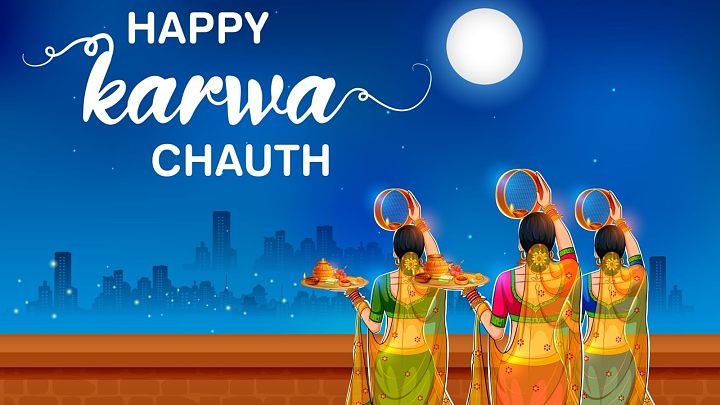
Karwa Chauth 2026: Why Do Women Look At The Moon Through A Sieve? Significance Of Karwa Pot And Moon Ritual
Karwa Chauth Moon Significance: Karwa Chauth, which will be celebrated on Thursday, October 29, 2026, is associated with fasting, evening prayers and the sighting of the Moon. Among the festival’s most recognisable custo
مصنف Nibandh Vinod··16K بار پڑھا
Karwa Chauth 2026: Why Do Women Look At The Moon Through A Sieve? Significance Of Karwa Pot And Moon Ritual
Karwa Chauth Moon Significance: Karwa Chauth, which will be celebrated on Thursday, October 29, 2026, is associated with fasting, evening prayers and the sighting of the Moon. Among the festival’s most recognisable customs are looking at the Moon through a sieve, using a traditional earthen karwa pot and offering water to the Moon before breaking the fast.
These rituals are more than familiar elements of the festive evening. In popular tradition, they are associated with devotion, auspiciousness, prayers for the well-being of one’s spouse and the completion of the vrat. The karwa pot holds a central place in the observance, while the sieve is linked to the moon-sighting ceremony and stories passed down through generations.
Read More: Karwa Chauth 2026 Date, Muhurat, Rituals And Significance Every Wife Must Know
Although the broad sequence of these rituals is familiar to many families, their precise meanings and the way they are performed can vary across regions and households. Here is a closer look at the significance of the sieve, karwa pot and Moon ritual on Karwa Chauth 2026.
Karwa Chauth 2026: Why Is the Sieve Important?
Karwa Chauth 2026: The sieve, commonly called a chalni or channi, is one of the most recognisable objects associated with Karwa Chauth. (Image: Shutterstock)
The sieve, commonly called a chalni or channi, is one of the most recognisable objects associated with Karwa Chauth. In a widely followed custom, a woman looks at the Moon through the sieve after moonrise and then looks at her husband through the same sieve.
Read More: Karwa Chauth 2026 Puja Samagri List: Check All Essential Items Required For Vrat
The practice is traditionally associated with prayers for a husband’s well-being and longevity. The shared moment also marks the culmination of the day’s fast and is an important part of the festival for many couples.
The Sieve And The Moon-Sighting Ritual
The sieve provides a traditional frame through which the Moon is viewed. After sighting the Moon, devotees may turn towards their husband and look at him through the same sieve, following their family custom.
This sequence connects the celestial sighting with the personal and devotional significance of the occasion. It has become a defining image of Karwa Chauth, frequently seen in family celebrations and festive photographs.
Symbolism Of Devotion And Auspiciousness
Some popular interpretations associate the sieve with focusing one’s attention on devotion and positive intentions. Its mesh is also sometimes explained symbolically as a reminder to look beyond everyday distractions and approach the ritual with sincerity.
These interpretations are best understood as symbolic explanations found in popular tradition rather than a single universally prescribed religious meaning. Families may explain the practice differently.
The Connection With The Veeravati Legend
The sieve is also associated in popular retellings with the story of Veeravati, a woman observing her first Karwa Chauth fast.
In one widely told version, Veeravati’s brothers become concerned when she grows weak from fasting. They create the appearance of a rising Moon by placing a light behind a tree or another object.
Mistaking the light for the Moon, she ends her fast prematurely. When she learns what happened, she faces hardship and must undertake further devotional observances.
Details of the story vary between retellings.
The episode is often invoked to explain why waiting for the actual Moon and following the customary sequence of the ritual matter to devotees. The sieve’s association with this legend is part of popular religious storytelling.
What Is the Significance of the Karwa Pot?
The karwa is a small pot traditionally made of clay, although vessels made from other materials may also be used. The word is closely associated with the festival’s name, while Chauth refers to the fourth lunar day, or Chaturthi.
The pot is a central ritual object during Karwa Chauth. It is commonly decorated and used in the evening puja, with water playing an important role in the observance.
A traditional symbol of auspiciousness
The decorated karwa forms part of the puja arrangement and is associated with prayers for prosperity, family well-being and marital happiness.
Its place in the ritual reflects the importance of traditional vessels and offerings in Hindu worship. The exact decoration, material and manner of use depend on family and regional practices.
Water and the offering to the Moon
Water is central to the karwa’s ritual use. In the customary moon-sighting ceremony, devotees offer arghya, a ritual water offering, to the Moon.
Depending on the household’s practice, a karwa may be used to hold or pour water as part of the puja, while a separate lota or vessel may be used for the arghya. The precise arrangement is not identical in every tradition.
The offering marks an important moment in the observance, when prayers are directed towards Chandra, the Moon deity, before the fast is completed according to the family’s custom.
Why is the karwa traditionally made of clay?
Earthen pots are traditional household vessels that can hold water and form part of religious offerings. Their use in Karwa Chauth reflects an established material and ritual custom.
Some contemporary explanations associate the clay pot with fertility, the womb, life and the flow of vital energy. These are symbolic interpretations rather than meanings that should be presented as universal across all Hindu traditions.
The karwa and the evening puja
The karwa is generally prepared alongside other puja essentials, such as a decorated thali, diya, flowers, rice, roli and customary offerings.
In some traditions, decorated karwas are exchanged or passed among women during the evening gathering, accompanied by the recitation or listening of the Karwa Chauth Vrat Katha. Other families follow a different sequence.
The pot therefore has both a practical role in the ritual and a place in the festival’s shared customs.
Karwa Chauth Moon Ritual: Why Do Women Offer Arghya?
The Moon is the focal point of the final stage of the traditional Karwa Chauth fast. Devotees wait for moonrise, offer prayers and perform the customary rituals before ending the vrat.
The Moon’s importance is also connected to the Hindu lunar calendar, which determines the dates of many religious observances. In Hindu devotional traditions, Chandra is worshipped as a deity.
The Moon marks the completion of the fast
Many devotees observe a fast from sunrise until the Moon is sighted. In its strictest traditional form, this may be a nirjala vrat, without food or water, although practices differ.
The wait for moonrise gives the observance its distinctive rhythm: the morning preparations, the day of fasting, the evening puja and the concluding Moon ritual.
For many families, sighting the Moon is the customary signal that the final stage of the vrat can begin.
The significance of arghya
Arghya is a ritual offering of water made as an act of reverence. On Karwa Chauth, devotees commonly offer water to the Moon while praying for the well-being and longevity of their spouse and for family happiness.
The offering may be made using a karwa or another water vessel, depending on the family’s tradition. Flowers, rice and other customary items may also form part of the prayer.
Looking at the Moon and then at the husband
In the widely followed ritual, the woman views the Moon through the sieve and then looks at her husband through it. In some households, a lit diya is held near the sieve.
The husband may then offer his wife water and a piece of food or sweet, marking the end of the fast. In families where both partners observe the vrat, the ritual may be adapted to reflect their shared participation.
The precise sequence varies, so the customs followed by individual families may differ.
The Moon as a symbol of continuity and peace
The Moon is often associated in devotional and popular interpretations with tranquillity, renewal and continuity. Its recurring phases also make it a natural reference point in a lunar calendar.
On Karwa Chauth, these associations accompany prayers for a couple’s continued well-being. However, symbolic meanings differ across traditions and should not be treated as one fixed explanation for every aspect of the ritual.
Karwa Chauth 2026: How the Three Rituals Come Together
The sieve, karwa pot and Moon ritual are closely connected during the evening observance.
The karwa pot: Forms part of the puja and is traditionally associated with the water used in the rituals.
The sieve: Is used in the customary practice of viewing the Moon and then one’s husband.
The Moon ritual: Includes moon-sighting, arghya and prayers before the fast is completed according to family tradition.
Together, these practices bring the day’s preparations and fasting to a close. Their significance lies in the combination of devotional observance, family customs and meanings passed down through generations.