From Carrying 'Handbags' To Being Emotionally Vulnerable: Is The 'Performative' Male Helping Kill Toxic Masculinity?
I’ve been thinking about the guy I saw last week in a café near my place, you might have come across one too (maybe on Instagram). He had a well-worn tote bag slung over one shoulder, a half-finished latte on the table,
مصنف Tanya Dutt··22K بار پڑھا
From Carrying 'Handbags' To Being Emotionally Vulnerable: Is The 'Performative' Male Helping Kill Toxic Masculinity?
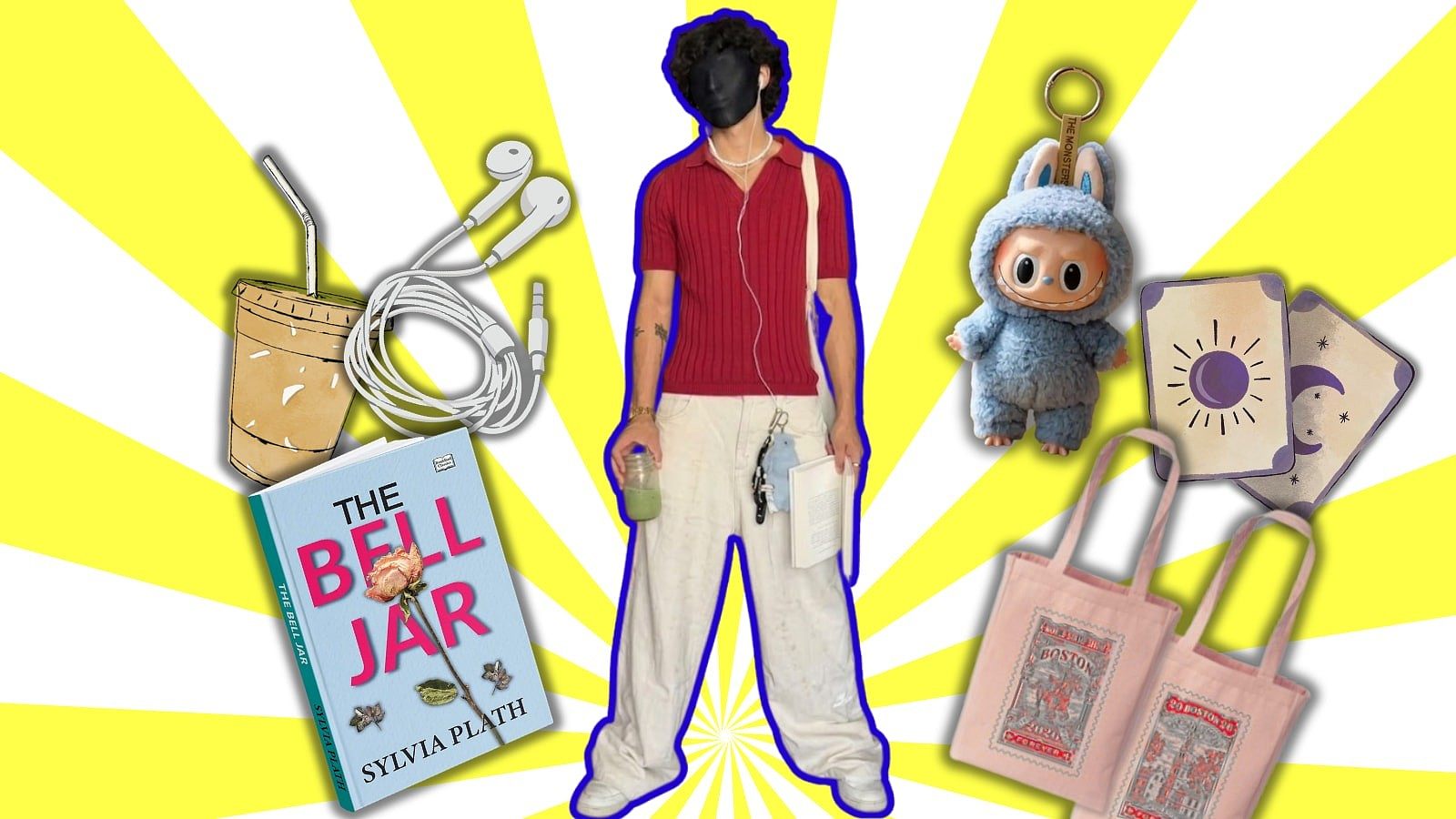
I’ve been thinking about the guy I saw last week in a café near my place, you might have come across one too (maybe on Instagram). He had a well-worn tote bag slung over one shoulder, a half-finished latte on the table, and a paperback of Joan Didion open in front of him, wired headphones around his neck, baggy trousers- the whole look. It got me wondering if he was “one of them”, the so-called performative male that the internet has decided is the latest thing to side-eye.
You’ve probably seen the memes. The performative male is the guy who seems to have carefully curated an aesthetic designed to signal softness, emotional intelligence and feminist-leaning values. He carries a tote (sometimes called a “handbag” by the more sarcastic observers), drinks the latest trendy drink (these days a Matcha or an Ube), reads Sally Rooney or Sylvia Plath, listens to Clairo or Lana Del Rey for the feels, and posts the occasional thoughtful caption about healing or therapy, very aesthetically.
High-profile faces like Jacob Elordi, Pedro Pascal and Paul Mescal often get name-checked as the polished, celebrity versions of the type.
At first glance it looks like progress. After years of conversations about toxic masculinity — the emotional shut-down, the aggression, the refusal to be vulnerable, here comes a man who appears to be trying the opposite. He is, on the surface atleast, the antithesis of the “finance bro” or the lonely basement dweller and that should feel like a win, right?
But the conversation around him is more complicated, and honestly, more interesting than a simple good-or-bad label.
Critics argue that a lot of it is just performance. The tote bag and the feminist literature become props. The vulnerability is selective and carefully lit for social media. He might ask about your moon sign or recommend a therapy podcast, but the moment real emotional labour is required, the script runs out. Elle reportedly calls it a rebranded version of emotional unavailability — the same old desire for validation and status, only this time wrapped in better lighting and indie playlists.
I’ve seen versions of this myself. A friend of mine dated a guy who ticked every aesthetic box. He talked openly about his feelings on the first few dates, carried a tote with a political badge, and seemed genuinely interested in her work. Then, when she needed actual support during a family crisis, he became distant and defensive. The performance had an audience, and once the spotlight moved, so did he.
Yet dismissing every man with a tote bag and a matcha habit feels too easy, and maybe a bit cynical. Clinical psychologists make a useful distinction: intention matters. Is the man practising behaviours he wants to grow into, or is he simply performing for an audience? It’s the difference between the actor who steps off stage and reverts to who they really are, and someone who practises a trait, active listening, patience, showing up until it’s no longer a performance at all. They prefer the idea of “be it to become it” rather than the emptier “fake it till you make it.”
That rings true to many including me. Most of us, men and women, start new behaviours a little awkwardly. We try on versions of ourselves. The question is whether the practice continues when no one is watching.
The trend has become so recognisable that cities have started holding “performative male” look-alike contests. Hundreds of people turned up in Seattle’s Capitol Hill and in New York’s Washington Square Park to celebrate, or gently roast, the archetype. Contests have even popped up in Jakarta. The signifiers are consistent: tote bags, books by women authors, Labubu keychains, vinyl records, the occasional wired headphones. It has become both a meme and a genuine cultural shorthand.
Some of the criticism feels overcooked. As commentators point out, people of all genders have always dressed and signalled in ways they hope will make them attractive. Performing a little for the people we want to impress is hardly new. And if the alternative is men who refuse any emotional vocabulary at all, then a generation of guys at least attempting the language of care and softness is not the worst development.
The real risk, I think, is when the aesthetic becomes a shield rather than a bridge. When the curated vulnerability is used to lower someone’s defences and then withhold genuine reciprocity. That is where performance tips into manipulation. But the same can be said of many social performances — online activism, carefully filtered self-improvement content, the whole economy of looking evolved.
What we keep coming back to is the quieter version of the trend. The man who isn’t posting his reading list, who simply shows up differently in private. Who carries the emotional weight of a hard conversation without needing applause. Who can sit with discomfort instead of turning it into content. That version feels less like a performance and more like the slow, unglamorous work of rewriting what masculinity can look like.
So is the performative male helping kill toxic masculinity? Probably not on his own. But the fact that softness, curiosity and emotional fluency are even being tried on, however imperfectly, however self-consciously, suggests the old script is losing its grip. The tote bag might be a prop today but with enough practice, it might just become a habit, and habits, eventually, can become character.