Endometriosis Can Cost Women One Month's Salary Every Year, Says Study: Expert Lists 7 Signs You Should Not Ignore
For many women, severe period pain is something they learn to work around. They take a painkiller, cancel plans, work from bed or simply wait for the worst of it to pass. But when pain starts interfering with work and ev
مصنف Mallika Bhagat··26K بار پڑھا
Endometriosis Can Cost Women One Month's Salary Every Year, Says Study: Expert Lists 7 Signs You Should Not Ignore
For many women, severe period pain is something they learn to work around. They take a painkiller, cancel plans, work from bed or simply wait for the worst of it to pass. But when pain starts interfering with work and everyday life, it may be more than a difficult period.
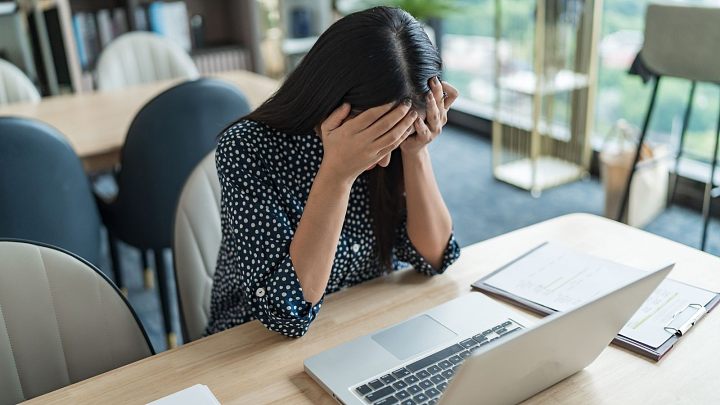
A new study from Hungary highlights just how much endometriosis can affect working women. Researchers compared 566 women with endometriosis with 447 women without the condition and found that women with endometriosis missed an average of 12.7 hours of work over four weeks because of health-related problems, compared with 5.7 hours among women without the condition. They also reported greater difficulty functioning at their usual capacity while at work.
The study found that 42% of women with endometriosis fell into the “poor” work-ability category, compared with 17.9% of women without the condition.
Endometriosis is more than painful periods. It occurs when tissue similar to the lining of the uterus grows outside the uterus. It can affect the ovaries, fallopian tubes, bowel, bladder and surrounding pelvic tissues.
“Because its symptoms can mimic normal period discomfort and digestive problems, diagnosis can take years,” says Dr Nidhi Rajotia Goel, Unit Head, Department of Obstetrics and Gynaecology, Artemis Hospital, Gurugram.
Here are seven symptoms she says women should not ignore.
1. Extremely painful periods
Period cramps are common, but pain that is severe, worsening or regularly gets in the way of work, sleep and daily activities should not simply be accepted as part of having a period. “Pain can begin before the period and continue for several days,” says Dr Nidhi.
For some women, the pain may be severe enough to affect their ability to work or carry out routine activities. This is particularly important in light of the new study, which found a significant impact of endometriosis on work ability.
2. Pelvic pain even when you are not on your period
Endometriosis-related pain does not necessarily follow the menstrual calendar. “Even after periods have ceased, endometriosis can be painful and cause chronic and recurrent pain,” says Dr Nidhi. The pain may feel like a dull ache, pressure or a sharp pain in the lower abdomen or pelvis.
Persistent pelvic pain can have several causes and does not automatically mean endometriosis. But if the pain keeps returning, particularly if it follows a pattern around your menstrual cycle, it is worth discussing with a gynaecologist.
3. Pain during or after sex
Pain during sex is not something women should automatically learn to live with. Endometriosis affecting tissue behind the uterus, the ovaries or other pelvic structures can cause deep pain during intercourse.
“It shouldn’t be seen as something women should have to put up with,” says Dr Nidhi. Women may feel embarrassed discussing this symptom, which can mean it gets left out during medical consultations. But mentioning it can help a doctor understand the pattern of symptoms and decide whether further evaluation is needed.
4. Painful bowel movements
Endometriosis can sometimes affect areas close to the bowel, which means symptoms may show up during bowel movements. “Some women may experience pain while passing stools, especially during periods,” says Dr Nidhi. She adds that women may also experience “bloating, constipation and diarrhea around the time of your period.”
Digestive symptoms can easily be mistaken for food intolerance, irritable bowel syndrome or a routine stomach problem. The timing, however, can provide an important clue.
If bowel symptoms repeatedly become worse around your period, mention that pattern to your doctor rather than treating each episode as an unrelated stomach problem.
5. Pain or burning while urinating
Urinary symptoms are another sign that can be easy to dismiss, particularly if they are assumed to be a urinary tract infection.
“If endometrial tissue is located close to the bladder, urination can sometimes be painful as well as uncomfortable and symptoms can worsen during periods,” says the expert.
Pain or burning while urinating has several possible causes, including infections, so it does not by itself point to endometriosis. But recurring urinary discomfort, especially when it follows a menstrual pattern, deserves medical attention.
Why Endometrial Cancer Is Rising Among Younger Women And What Doctors Want You To Know
6. Heavy or unusual menstrual bleeding
A particularly heavy period can sometimes be brushed aside as an individual variation. But very heavy or prolonged bleeding, or spotting between periods, should not always be normalised.
“Warning signs can be very heavy periods, prolonged bleeding and spotting between periods,” says Dr Nidhi. “There are a number of things that can cause these symptoms but if they persist they should be evaluated by a medical professional.”
Keeping track of how long you bleed, how frequently you need to change menstrual products and whether you experience bleeding between periods can help your doctor understand what is happening.
Shamita Shetty Says Endometriosis Pain Left Her Depressed: What Is The Condition And How Does It Affect Women’s Bodies?
7. Difficulty getting pregnant
Sometimes endometriosis is not identified because of pain at all. For some women, difficulty conceiving is what leads to the condition being investigated.
“Endometriosis can affect the ovaries, fallopian tubes and pelvic environment and can make it harder to get pregnant,” says Dr Nidhi. “Sometimes infertility is the first reason the condition is looked into.”
That does not mean difficulty conceiving automatically indicates endometriosis. Fertility can be affected by many factors. But when fertility concerns occur alongside painful periods, pelvic pain or other symptoms, it is important to tell your doctor about the full picture rather than treating each symptom separately.
Are Period Pains “Normal”?
One of the biggest problems with endometriosis is how easily its symptoms can be normalised. Many women grow up hearing that painful periods are simply part of being a woman. But severe pain that repeatedly makes you miss work, lose sleep, cancel plans or stop doing everyday activities deserves attention.
“The important point is that period pain should not routinely be normalised when it is severe and disabling,” says Dr Nidhi. At the same time, having one of these symptoms does not mean you have endometriosis. As Dr Nidhi points out, “Symptoms can vary greatly from person to person and just because you have one symptom does not mean you have endometriosis.”
The new study adds another reason to take these symptoms seriously. When a condition affects not only how someone feels but also how they work and function through the day, waiting years for an explanation can come at a cost. “Early assessment may determine the cause of symptoms and allow better pain, fertility and long term health management,” says Dr Nidhi.