Don’t Throw Away Curdled Milk: Check 5 Easy Ways To Use It
Milk curdling while boiling can feel like an instant kitchen disaster, and the first instinct is often to pour it down the sink. But depending on why the milk curdled and whether it is still safe to consume, you may be a
مصنف Lifestyle Desk··12K بار پڑھا
Don’t Throw Away Curdled Milk: Check 5 Easy Ways To Use It
Milk curdling while boiling can feel like an instant kitchen disaster, and the first instinct is often to pour it down the sink. But depending on why the milk curdled and whether it is still safe to consume, you may be able to turn it into everything from homemade paneer to kalakand.
Even the liquid left behind after straining the curds, commonly called whey, doesn’t necessarily have to go to waste. It can be used for kneading dough or incorporated into certain dishes.
However, there’s an important distinction to make: curdled milk isn’t always safe milk. If it has been left unrefrigerated for too long, smells rotten, shows mould, has unusual discolouration or otherwise appears spoiled, it should be discarded rather than repurposed.
If the milk has simply split during cooking or after adding an acid such as lemon juice or vinegar and was otherwise fresh, here are five ways you can use it in your kitchen.
1. Turn Curdled Milk Into Fresh Homemade Paneer
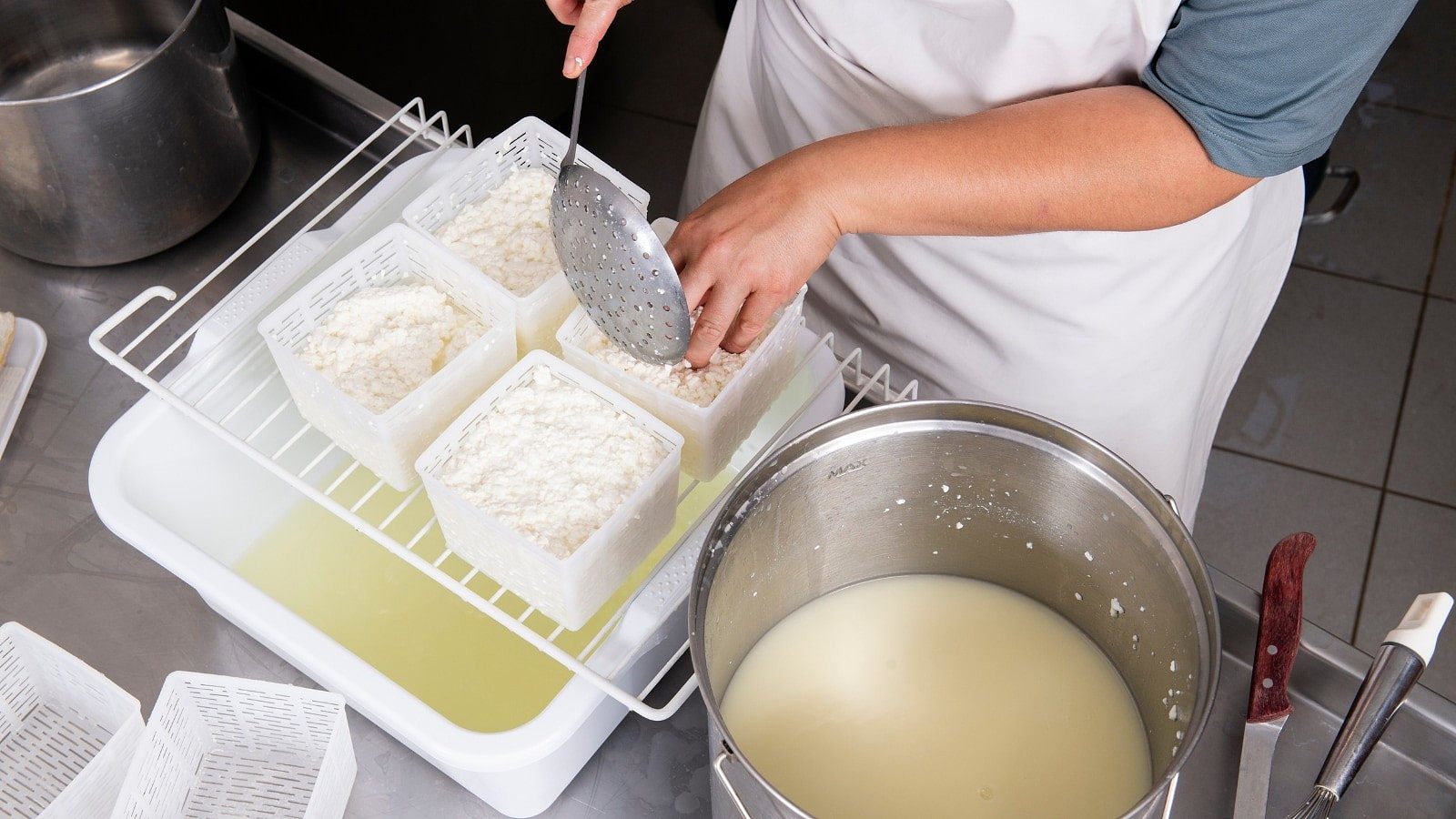
One of the easiest ways to use freshly curdled milk is to make soft homemade paneer.
If the milk has separated properly into curds and whey, strain it through a clean muslin or cheesecloth. You can gently rinse the curds with clean water, particularly if lemon juice or vinegar was used and you want to reduce the acidic taste.
Gather the cloth around the curds and allow excess liquid to drain. For firmer paneer, place the wrapped curds under a weight for around 20–30 minutes. Once set, cut it into pieces and use it for sandwiches, parathas, salads or your favourite paneer recipes.
2. Use The Chhena To Make Kalakand
Want to turn your kitchen mishap into dessert? The fresh chhena obtained after straining the milk can become the base for homemade kalakand.
Add the chhena to a pan and cook gently. Mix in sugar according to taste, along with a little milk powder for richness and cardamom powder for flavour. Keep stirring over low heat to prevent the mixture from sticking or burning.
Once it thickens sufficiently, spread it onto a greased plate or tray. Allow it to cool and set before cutting it into bite-sized pieces. Your curdled milk has now been transformed into a simple homemade sweet.
3. Use The Whey To Knead Roti Or Paratha Dough
Don’t pour away the pale liquid that remains after making paneer or chhena. This whey can be used instead of plain water while kneading flour.
Add it gradually while kneading until you get a soft, workable dough. It is an easy way to repurpose a kitchen by-product rather than letting it go down the drain.
If the whey tastes particularly acidic, however, remember that it can affect the flavour of the finished rotis or parathas.
4. Add Whey While Cooking Dal Or Rice
The leftover whey can also replace some of the cooking water in dal or rice.
Instead of using a large quantity immediately, start by substituting a small portion of the regular water, especially if the whey has a noticeable tang. This allows you to judge how it affects the final flavour.
It can be a particularly useful trick when you’ve made paneer at home and are looking for a quick way to use the leftover liquid the same day.
5. Use It In Soups And Suitable Gravies
Whey can also find its way into soups and certain gravies. Add a small amount while cooking rather than replacing all the liquid in the recipe at once.
Because whey can have a slightly tangy flavour, it may work better in recipes where that acidity complements the other ingredients. Add gradually, taste and adjust to keep the flavour and consistency balanced.
Curdled Or Spoiled? Know The Difference Before Using It
Before trying any of these hacks, make sure the milk is actually suitable for consumption.
Milk deliberately curdled while fresh using lemon juice, vinegar or another food acid can be used for making paneer and chhena. Milk can also sometimes separate during cooking because of acidic ingredients.
But milk that has spoiled because it was stored improperly or left out for too long is a different matter. Cooking spoiled milk again doesn’t automatically make it safe to eat.
If the milk has an unpleasant or rotten smell, visible mould, unusual colour or other obvious signs of spoilage, don’t taste it to check. Discard it.