CID Director BP Singh Dies Of Heart Attack: Why Recognising Early Cardiac Warning Signs Is Important
Veteran television producer and director B. P. Singh, best known for creating the iconic crime series CID and the horror show Aahat, has died at the age of 77 after reportedly suffering a massive heart attack. Singh, who
مصنف Tanya Dutt··9K بار پڑھا
CID Director BP Singh Dies Of Heart Attack: Why Recognising Early Cardiac Warning Signs Is Important
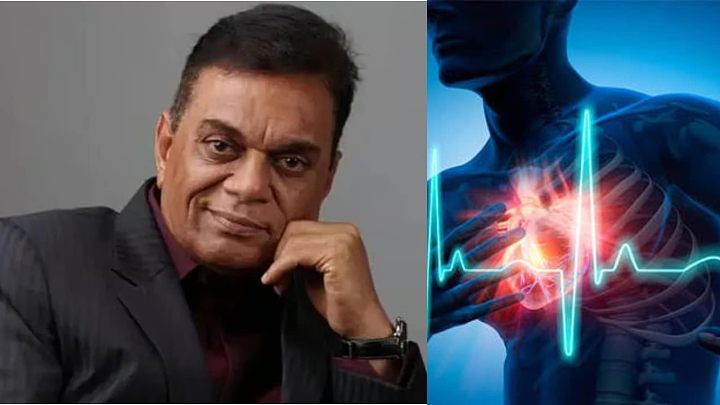
Veteran television producer and director B. P. Singh, best known for creating the iconic crime series CID and the horror show Aahat, has died at the age of 77 after reportedly suffering a massive heart attack. Singh, whose work helped shape Indian television entertainment for decades, was remembered by members of the industry following the news of his demise.
His demise has brought attention to the importance of recognising heart attack symptoms early. A heart attack can occur suddenly, but its symptoms are not always dramatic or easy to identify.
While chest pain remains a widely recognised warning sign, some people experience breathlessness, nausea, unusual fatigue or discomfort in other parts of the body. These symptoms may be mistaken for acidity, stress or general exhaustion, potentially delaying emergency treatment.
Dr. Nimit Shah, Consultant Interventional Cardiologist at Saifee Hospital, Mumbai, explains why understanding these warning signs, identifying individual risk factors and seeking timely medical care can make a critical difference.
“A heart attack happens when blood stops reaching a part of the heart muscle, usually because a blood clot blocks an artery,” says Dr. Shah.
The heart muscle needs a continuous supply of oxygen-rich blood to function. When blood flow is blocked, the affected tissue begins to suffer damage. The longer the interruption continues, the greater the potential injury to the heart.
A heart attack is a medical emergency that requires immediate assessment and treatment. Although symptoms may develop suddenly, they can also begin gradually, with discomfort that comes and goes. Recognising the possibility of a cardiac event early is essential because prompt treatment can help limit damage and reduce the risk of serious complications.
What Are The Early Warning Signs Of A Heart Attack?
“Chest pain or pressure is a heart attack symptom, but a heart attack can also cause breathlessness, cold sweats, nausea, dizziness or pain in the arms, back, neck or jaw,” says Dr. Shah.
Symptoms can vary considerably from one person to another. Chest discomfort may feel like pressure, tightness, squeezing, heaviness or burning rather than sharp pain. Some people may experience discomfort in the upper abdomen, while others notice sudden breathlessness, clammy skin, light-headedness or unexplained weakness.
Not every heart attack begins with severe chest pain. Symptoms can be mild, intermittent or unfamiliar, which makes them easier to dismiss. Women, older adults and people with diabetes may sometimes experience less typical symptoms, although these patterns are not exclusive to any group.
Unusual fatigue or nausea alone does not necessarily indicate a heart attack. However, symptoms that are sudden, persistent, unexplained or occur together should be taken seriously, particularly in people with known cardiac risk factors.
Can Heart Attack Symptoms Be Mistaken For Acidity Or Stress?
“Some people feel warning symptoms before a heart attack. Others have subtle signs that can be missed or thought to be acidity, fatigue or stress,” says Dr. Shah.
Indigestion and cardiac discomfort can sometimes feel similar, particularly when a person experiences burning or pressure around the chest or upper abdomen. Stress and anxiety can also cause physical symptoms such as a racing heartbeat or breathlessness. However, it is not possible to reliably distinguish a heart attack from these conditions based on symptoms alone.
Assuming that chest discomfort is acidity, waiting for it to subside or taking medication without seeking medical advice can delay treatment. If a heart attack is suspected, call emergency services immediately rather than driving yourself to hospital or waiting to see whether the symptoms improve.
“Many factors raise heart attack risk, such as age, high blood pressure, diabetes, high cholesterol, smoking, obesity and a family history of heart disease,” says Dr. Shah.
If someone develops possible heart attack symptoms, contact emergency services immediately, even if the discomfort is mild or begins to ease. Do not wait for all the symptoms to appear. Follow the emergency operator’s instructions and avoid allowing the person to exert themselves. If they become unresponsive and are not breathing normally, begin CPR and use an automated external defibrillator (AED), if available, following the operator’s guidance.