As Haryana Leads Blood Donation For 3rd Time: What To Know Before & After Donating Blood
Becoming a blood donor and actually donating blood is a life-saving activity. From helping a new mother bleeding out on the operating table to saving the life of someone who has been in an accident, or even patients unde
مصنف Abigail Banerji··21K بار پڑھا
As Haryana Leads Blood Donation For 3rd Time: What To Know Before & After Donating Blood
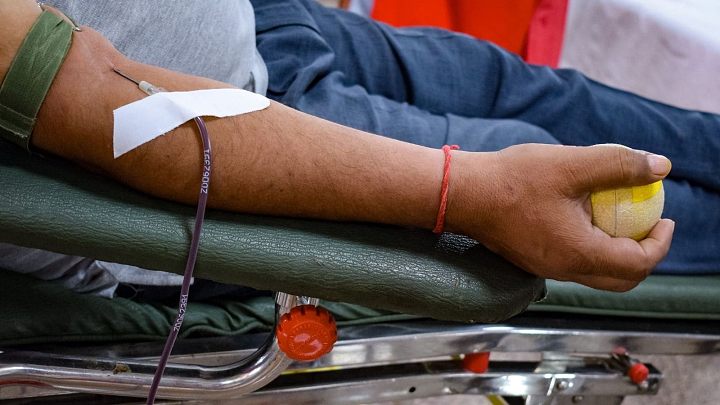
Becoming a blood donor and actually donating blood is a life-saving activity. From helping a new mother bleeding out on the operating table to saving the life of someone who has been in an accident, or even patients undergoing cancer or thalassaemia treatments, hospitals constantly need blood supplies. In fact, a single unit of blood can be separated into components like red cells, plasma, and platelets, saving up to three or four lives at one time.
According to news reports, Haryana has emerged as the leading Indian state in terms of blood donation. The state is leading the charge for the third consecutive year.
Dr Sumita Misra, Additional Chief Secretary of the Haryana Health and Family Welfare Department, sais that a total of 5.89 lakh units of blood were collected, and 8,189 blood donation camps were organised across the state during the year 2025-26. According to data on the e-RaktKosh portal, Haryana has secured the top position among all states in terms of blood donation per million population.
A News On Air reports states that the Indian Government will honour Haryana during the National Voluntary Blood Donation Day event scheduled for October 1 at Lady Hardinge Medical College in New Delhi.
If you are some who has been debating on whether you should donate blood or are new to the concet, here’s an easy guide by the Red Cross on things to keep in mind before and after you make this easy decision.
What To Do Before Donating Blood
Stay Hydrated
Drink an extra 16 ounces of water or another non-alcoholic beverage before your appointment. Being well hydrated can make the donation process more comfortable.
Eat A Healthy Meal
Do not donate blood on an empty stomach. Have a nutritious meal beforehand, but avoid excessively fatty foods such as burgers, fries, ice cream and other heavy options.
Get Enough Rest
Try to sleep well the night before your appointment and make sure you are feeling healthy before donating.
Wear Comfortable Clothing
Choose a shirt with sleeves that can be easily rolled up above the elbows so that the healthcare professional can access your arm comfortably.
Share Your Medication Details
Inform the medical team about all prescription and over-the-counter medicines you are taking. The screening team will determine whether you are eligible to donate.
Inform The Staff About Your Preferred Arm
Yes, this is something you can do if a particular arm or vein has previously been used successfully, let the staff know. This may help make the process easier.
What To Do After Donating Blood
Have A Snack And Rest
Spend a few minutes in the refreshment and recovery area. Eat the snack and drink provided by the blood centre before leaving.
Drink Extra Fluids
Increase your fluid intake after donating. Aim to drink approximately four additional 8-ounce glasses of non-alcoholic fluids over the next 24 hours, unless your healthcare provider advises otherwise. Avoid alcohol during this period.
Avoid Heavy Exercise
Do not lift heavy objects or engage in vigorous exercise for the rest of the day. Follow any additional instructions given by the blood donation centre.
Take Care Of The Needle Site
Keep the bandage on as instructed by the donation centre. If the needle site begins to bleed, raise your arm and apply firm pressure for five to 10 minutes, or until the bleeding stops.
Respond Quickly To Dizziness
If you feel dizzy or lightheaded, stop what you are doing and sit down or lie down until you feel better. Avoid driving, climbing heights or doing activities where fainting could cause an injury. If symptoms persist, contact the blood centre or a healthcare professional.
Eat Iron-Rich Foods
Include iron-rich foods such as beans, lentils, leafy greens, meat, eggs and iron-fortified cereals in your diet to help replenish your iron stores.
Speak To A Doctor About Supplements
If you donate blood regularly, ask a healthcare professional whether you need an iron supplement or a multivitamin containing iron. Do not begin iron supplementation without medical advice, as individual requirements can vary.