Malacañang asks SC to revisit ruling on 2024, 2025 national budgets
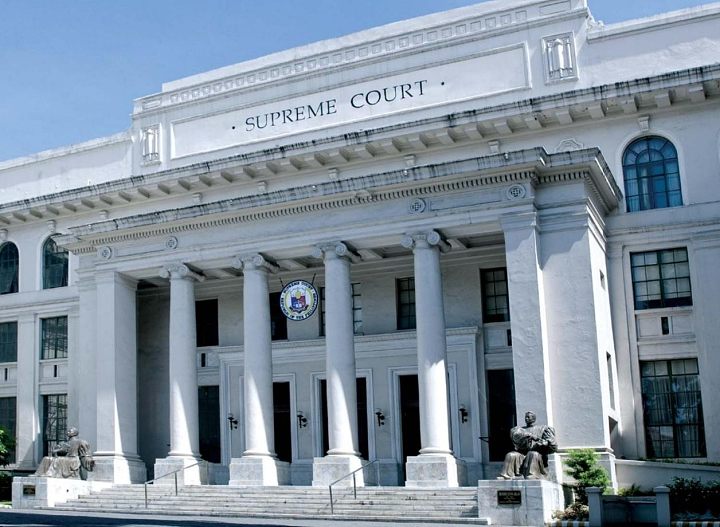
Malacañang on Wednesday said that it will ask the Supreme Court to reconsider its recent ruling declaring as unconstitutional the General Appropriations Acts (GAAs) for 2024 and 2025 due to budget increases made by Congr
By GISELLE OMBAY,GMA News··150K reads
Malacañang asks SC to revisit ruling on 2024, 2025 national budgets
Malacañang on Wednesday said that it will ask the Supreme Court to reconsider its recent ruling declaring as unconstitutional the General Appropriations Acts (GAAs) for 2024 and 2025 due to budget increases made by Congress.
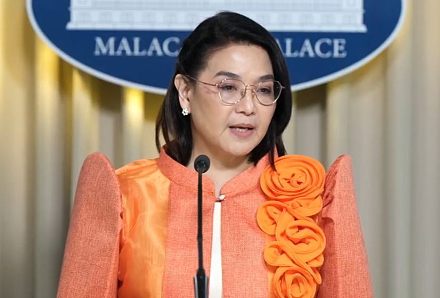
Palace Press Officer Undersecretary Claire Castro announced this in a press briefing, saying that Malacañang “respectfully disagrees” with certain parts of the high court’s ruling.
She said the Office of the Solicitor General has been tasked to file the motion for reconsideration.
“Ang inilatag na kondisyon ng Korte Suprema na dapat ay malagpasan muna ang kabuuang koleksyon sa kabuuang revenue target bago magamit ang unprogrammed appropriations, sa ating pananaw ay tahasang pagbabago ng mga kondisyong itinakda ng Kongreso bilang sangay ng pamahalaan na naatasan ng ating Konstitusyon na bumalangkas ng taunang pambansang budget,” Casto said.
(We believe that the condition set by the Supreme Court that the total collections must first exceed the total revenue target before unprogrammed appropriations can be utilized is an outright alteration of the conditions established by Congress, the branch of government tasked by our Constitution to review the annual national budget.)
“Magalang nating hinihiling sa Korte Suprema na muling suriin ang kanilang desisyon,” she added.
(We respectfully ask the Supreme Court to carefully review their decision.)
The Supreme Court said the 2024 budget was voided due to P449.5-billion increase in unprogrammed appropriations, while the 2025 GAA was likewise struck down because of the additional P17.99 billion for the Special Road Fund of the Department of Public Works and Highways (DPWH). Both of these adjustments resulted in an increase in the president’s total recommended appropriations, the SC said.
As for the 2026 GAA, the high court deemed as unconstitutional Special Provisions 1(a) and (b), Chapter XLIII authorizing unprogrammed appropriations. It then set conditions that would allow such appropriations to be constitutional.
The SC said the conditions for the use of new income, as well as additional earnings of the government from non-tax revenue sources, should be clearly differentiated between programmed and unprogrammed expenditures, with Congress presumptively using these new funds for programmed expenditures, except when there are clear and convincing reasons, such as foreign assisted projects, for including them under unprogrammed appropriations.
Castro maintained that the administration of President Ferdinand “Bongbong” Marcos Jr. simply adhered to existing policy, citing the case of Araullo vs. Aquino.
“Sa ating pananaw, pinanatili nito ang mekanismo sa papel ngunit ang pagtatakda ng kondisyong lagpas sa mga kondisyong inilatag ng Kongreso simula 2015 ay hindi lang magpapahirap nang husto sa paggamit nito. Ginawa nitong inutil at hindi na magagamit ang mekanismong ito para sa mga programa ng pamahalaan,” she said.
(In our view, while this keeps the mechanism on paper, but imposing conditions beyond those already established by Congress since 2015 will not only make its utilization extremely difficult. This has effectively rendered the mechanism useless and inoperable for government programs.)
“Simula noong 2015, pinayagan ng Kongreso ang paglalabas ng pondo kapag lumagpas sa target ang koleksiyon mula sa kahit isang tinutukoy na non-tax revenue source alinsunod sa iba pang kondisyon ng batas,” she added.
(Since 2015, Congress has allowed the release of funds whenever collections from at least one specified non-tax revenue source exceed their targets, subject to other conditions set forth by law.)
The Palace Press Officer also cited the doctrine of operative fact, expressing belief that if the previous national budgets were used in good faith, no one---even the President--- should be held criminally or administratively accountable despite the SC ruling.
“Alam ng administrasyon na wala namang nilalabag na batas, walang nilalabag na probisyon sa Konstitusyon. Ang administrasyon na ito ay tumutupad lamang sa mga naging proseso na isinasaad din naman sa batas,” Castro said.
(The administration knows that no laws were being violated, and no provisions of the Constitution were being breached. This administration was simply following the processes as prescribed by law.)
“So, wala tayong nakikitang anumang maaaring maging pananagutan ng Pangulo kung siya naman din ay tumutupad lamang sa batas,” she added.
(Therefore, we do not see any basis for holding the President liable, given that he is merely complying with the law.)
The Supreme Court, as to the 2024 and 2025 GAA, held that the doctrine of operative fact applies.
The high court, however, noted that the doctrine covers only irreversible programs whose beneficiaries acted in good faith, and does not shield authors, proponents, or implementors from criminal, civil, or administrative liability unless the proper tribunals explicitly find that they acted in good faith. — RSJ/ VAL GMA News