Air Purifier, Indoor Plants Or Closed Windows: What Actually Helps During Severe Pollution?
Every winter, as Delhi’s air quality deteriorates and the AQI inches towards the severe category, the same questions return: Should you keep your windows shut all day? Is investing in an air purifier worth it? Can a few
By Labani Mahanandy··22K reads
Air Purifier, Indoor Plants Or Closed Windows: What Actually Helps During Severe Pollution?
Every winter, as Delhi’s air quality deteriorates and the AQI inches towards the severe category, the same questions return: Should you keep your windows shut all day? Is investing in an air purifier worth it? Can a few indoor plants really clean the air you breathe? With pollution levels frequently crossing the 300–400 mark during peak episodes, protecting your lungs is no longer just about avoiding outdoor exercise or wearing a mask when stepping outside. It also means paying attention to the air inside your home.
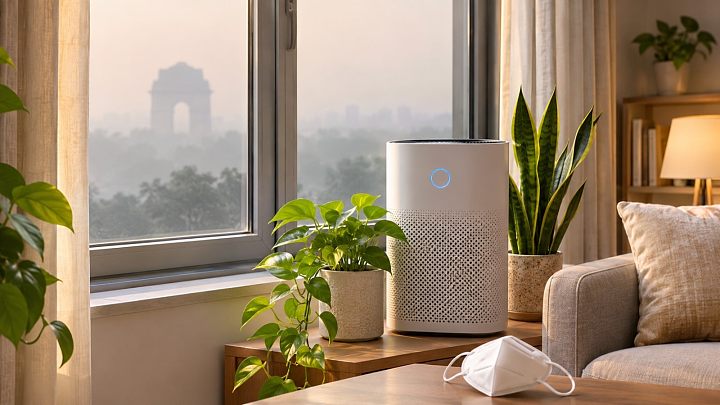
While closing windows and doors can limit the entry of polluted outdoor air, it does not automatically make indoor air safe. Cooking fumes, incense sticks, mosquito coils and certain cleaning products can contribute to indoor pollution. And those carefully arranged indoor plants? They may brighten up your living room, but they are unlikely to do much against the PM2.5 particles circulating through it. So, what actually works when pollution levels soar?
To understand how severe pollution affects our lungs and which measures can genuinely improve indoor air quality, we spoke to Dr Kuldeep Kumar Grover, Associate Director – Pulmonology & Critical Care, CK Birla Hospital, Gurgaon. Here’s what he recommends for households navigating prolonged pollution episodes.
What Does Severe Air Pollution Do To Your Lungs?
When the AQI crosses 300, the concern goes well beyond an unpleasant smell or a hazy skyline. Dr Grover explains, “PM2.5 particles can penetrate deep into the lungs and even enter the bloodstream, while PM10 irritates the respiratory tract. Exposure can trigger inflammation, coughing, breathlessness and worsening of existing lung conditions. Even healthy individuals may experience reduced lung function with prolonged exposure, although the extent of lasting damage varies.”
In other words, you do not need to have asthma or another pre-existing respiratory condition to be affected by prolonged exposure.
Do Air Purifiers Actually Work During Severe Pollution?
If there is one household investment worth considering during Delhi’s pollution season, it is a properly selected air purifier. HEPA air purifiers can reduce airborne PM2.5 indoors.
Dr Grover recommends looking for three important features: a True HEPA filter, an appropriate Clean Air Delivery Rate (CADR) and adequate room coverage. A purifier that is too small for a large bedroom, for instance, may struggle to clean the air effectively.
He says, “HEPA air purifiers can significantly reduce indoor airborne PM2.5 when appropriately sized for the room. Look for True HEPA filters, suitable Clean Air Delivery Rate (CADR) and adequate room coverage. Running them continuously, particularly in bedrooms and frequently occupied spaces, can help maintain cleaner indoor air during severe pollution episodes.”
So, should you run your air purifier throughout the day? During severe pollution episodes, continuous operation can help maintain cleaner indoor air, particularly in spaces where you spend several hours. Keep the room’s doors and windows closed while the purifier is operating, and follow the manufacturer’s instructions for filter maintenance and replacement. Remember, an air purifier reduces airborne particles; it does not eliminate every indoor pollutant or replace other precautions.
Should You Keep Your Windows And Doors Closed All Day?
This is where things get a little tricky. Keeping windows shut during periods of high outdoor pollution can reduce the amount of particulate matter entering your home. However, sealing your house indefinitely is not a complete indoor air-quality strategy either.
Dr Grover explains, “Keeping windows closed during peak pollution hours can reduce outdoor particulate exposure. However, poorly ventilated homes may accumulate indoor pollutants, including cooking emissions. Households should ventilate when outdoor AQI improves, preferably during relatively cleaner hours, while using kitchen exhaust systems and maintaining adequate indoor air circulation.”
Can Indoor Plants Purify The Air?
Indoor plants are often promoted as natural air purifiers, with claims that they can absorb toxins and improve the quality of the air inside your home. Dr Grover cautions, “While indoor plants can absorb certain pollutants under controlled laboratory conditions, there is insufficient evidence that a few household plants can meaningfully reduce PM2.5 levels in typical homes. They cannot replace HEPA air purifiers or proper ventilation. Relying on plants alone for protection during severe pollution is a misconception.”
So, keep the plants if you enjoy having greenery around the house, but do not count them as your pollution-control strategy.
Your Home Could Still Be Polluted Even With Windows Shut
One common mistake is assuming that closed windows and a running air purifier automatically guarantee clean indoor air. Unfortunately, pollution can also originate inside your home.
Dr Grover says, “Indoor air can remain polluted despite closed windows and air purifiers. Cooking fumes, incense sticks, mosquito coils, smoking, candles and certain cleaning products release particulate matter and harmful gases. Using kitchen exhaust fans, avoiding indoor burning and choosing low-emission cleaning products can help reduce indoor pollution and exposure.”
The practical approach is to reduce pollution at its source. An air purifier can help with airborne particles, but preventing unnecessary indoor emissions is just as important.
Who Is Most Vulnerable To Prolonged Exposure?
While air pollution affects everyone, some groups face a considerably higher risk of complications. Children, senior citizens and people with existing respiratory conditions such as asthma, chronic obstructive pulmonary disease (COPD) and pulmonary fibrosis are particularly vulnerable.
Dr Grover explains, “Children, senior citizens and people with asthma, COPD or pulmonary fibrosis are particularly vulnerable. Pollution can worsen airway inflammation, trigger respiratory symptoms and increase the frequency of exacerbations. Repeated exposure may accelerate lung-function decline, particularly in people with pre-existing respiratory conditions or compromised lung health.”
For these households, precautions should be taken seriously even when symptoms are not immediately noticeable. Limiting exposure, keeping indoor air cleaner and following medical advice are especially important during prolonged pollution episodes. People with existing respiratory conditions should also consult their treating doctors about managing symptoms and medications during periods of poor air quality.
Five Essential Measures To Protect Your Family During Severe Pollution
When the AQI enters the severe category, a few practical changes can help reduce exposure. Dr Grover recommends the following measures for Delhi households:
Minimise outdoor activities: Avoid unnecessary trips outside when pollution levels are severe. Children, senior citizens and people with respiratory conditions should be particularly cautious.
Keep windows closed during peak pollution hours: Reduce the entry of polluted outdoor air and ventilate your home when the AQI improves.
Run an appropriately sized HEPA air purifier: Choose a purifier with a suitable CADR and room coverage, and operate it continuously in frequently occupied spaces during severe pollution episodes.
Avoid indoor burning: Limit the use of incense sticks, mosquito coils and candles, and avoid smoking indoors. Use kitchen exhaust fans to remove cooking emissions.
Wear a well-fitted N95 mask outdoors: If you need to step outside, use a properly fitted N95 mask. Avoid outdoor exercise and monitor the AQI regularly.
He also warns against relying on practices that offer little meaningful protection against fine particulate matter. “Indoor plants, cloth masks and ordinary surgical masks should not be considered adequate protection against PM2.5.”
When Delhi’s pollution levels soar, there is no single measure that can make your home completely pollution-free. Keeping windows closed during peak pollution hours, using a correctly sized HEPA air purifier, reducing indoor emissions and ventilating when outdoor air quality improves can work together to lower exposure.
During a prolonged pollution episode, the small decisions you make about ventilation, cooking, filtration and outdoor activity can make a meaningful difference to the air your family breathes.