Sobhita Dhulipala Tracks How Her Mood Changes With The Moon: Here’s What It Means In Astrology
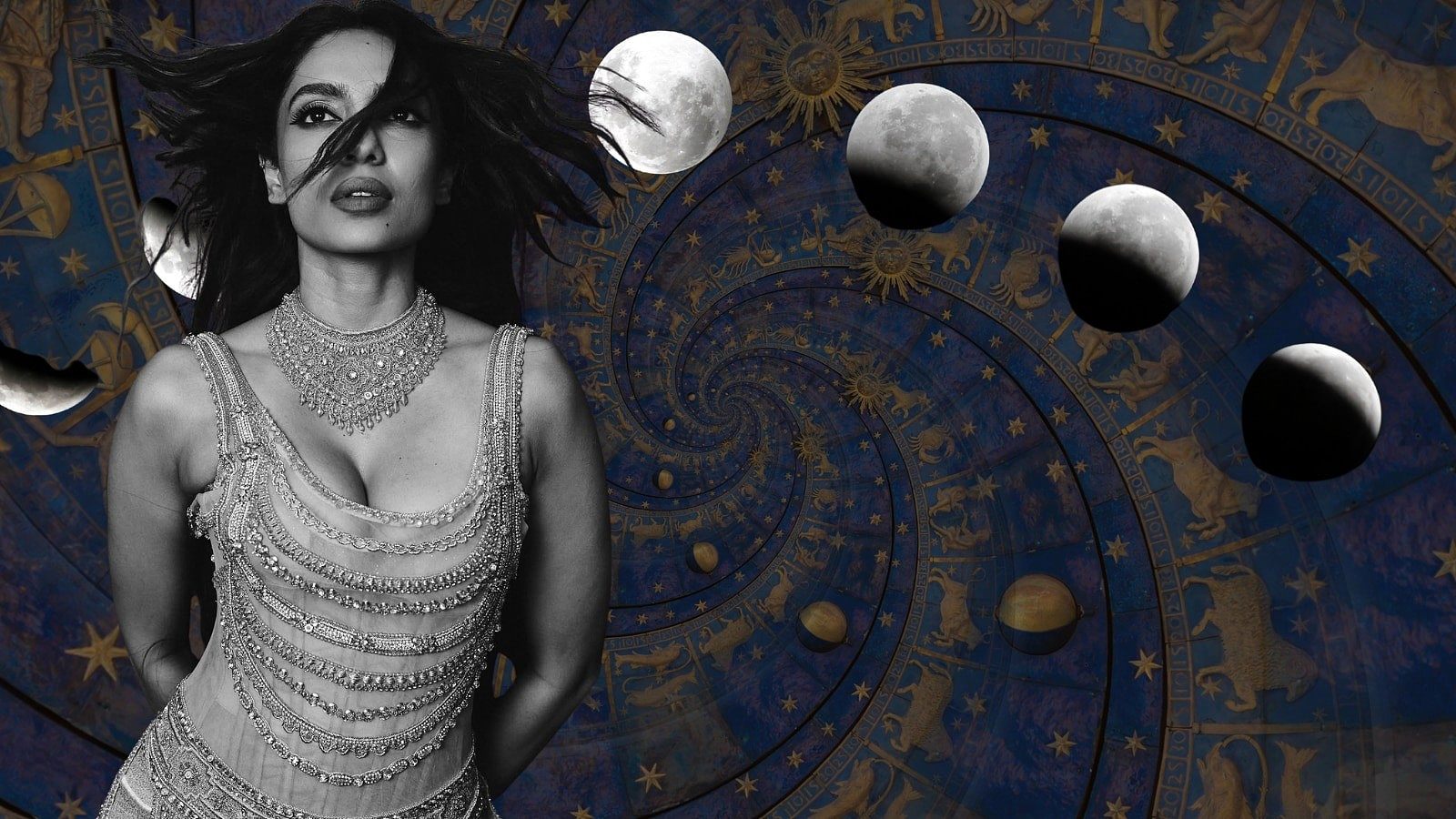
Sobhita Dhulipala has revealed her deeply spiritual side, describing herself as a “massive astro-geek” who consciously observes how she feels during the lunar cycle.
लेखक Surbhi Pathak··10K पढ़े गए
Sobhita Dhulipala Tracks How Her Mood Changes With The Moon: Here’s What It Means In Astrology
Sobhita Dhulipala has revealed her deeply spiritual side, describing herself as a “massive astro-geek” who consciously observes how she feels during the lunar cycle.
Speaking to Vogue India about her faith in the intangible and the time she spends at her private altar, Dhulipala said, “I like to observe how I’m feeling on a full moon night and as the cycle changes.”
But what does tracking the Moon actually mean in astrology? Can different lunar phases influence mood, energy and sleep, and what should someone record if they want to identify patterns?
Sidhharrth S Kumaar, chief astrologer at NumroVani, explains the astrological interpretation of the lunar cycle and how people use it as a tool for self-observation.
What Is A Moon Cycle In Astrology?
In Jyotish, the Moon is considered one of the fastest-moving grahas. It changes zodiac signs approximately every two-and-a-quarter days and travels through all 12 signs and 27 nakshatras in roughly a month.
According to Kumaar, the Moon’s movement also determines two important elements of the Hindu lunar calendar:
Paksha: The fortnightly phase, divided into Shukla Paksha or the waxing Moon and Krishna Paksha or the waning Moon.
Tithi: A lunar day, such as Ekadashi, Purnima or Amavasya.
Astrologers interpret the Moon’s changing position, sign, nakshatra and phase together rather than looking only at whether it is new, waxing, full or waning.
What Does The Moon Represent In Astrology?
In Jyotish, the Moon is associated with ‘manas’—the part of the mind believed to feel, absorb and react. Its changing relationship with the Sun is therefore interpreted as a shifting emotional rhythm.
During the waxing phase, as the illuminated portion of the Moon grows, astrologers associate the cycle with outward movement. People may feel more inclined to initiate projects, socialise or express themselves.
Around Purnima, or the Full Moon, existing emotions are believed to become more noticeable. One person may experience greater creativity and enthusiasm, while another may notice overthinking, disrupted sleep or the urge to address an unresolved conversation.
As the Moon begins to wane, the astrological focus turns inward. This period is traditionally associated with processing experiences, finishing pending work and reducing stimulation. Near Amavasya, or the New Moon, some people may prefer rest, solitude and a slower pace.
Does The Moon Affect Everyone In The Same Way?
Kumaar calls it a myth that every Moon phase affects every person identically. In astrology, the lunar cycle is only one part of a much larger system, and its perceived influence is interpreted alongside a person’s birth chart, Moon sign and birth nakshatra.
Some astrologers also use the Navtara Chakra, which counts the current Moon’s nakshatra from an individual’s birth nakshatra. Different positions within this nine-part cycle are classified as more supportive or cautionary.
Kumaar identifies the second, sixth, eighth and ninth positions in each repeating nine-nakshatra sequence as favourable. The third, fifth and seventh positions are treated more cautiously. Because this calculation requires an accurate birth nakshatra, beginners may need guidance from a qualified practitioner rather than relying on a general Moon-phase chart.
What Should You Track Through The Moon Cycle?
You do not need to overhaul your routine to begin observing the lunar cycle. Start with a simple journal and record the same details each day for at least two or three months. Track:
The Moon phase or paksha
The day’s tithi
The Moon sign
The Moon’s nakshatra
Mood and emotional intensity
Sleep quality and duration
Physical energy
Focus and creativity
Social interactions
Appetite and food cravings
Menstrual-cycle changes, if relevant
Important events or external sources of stress
The astrological details can be found in a traditional panchang or a reliable panchang app. Recording real-life factors such as workload, illness, caffeine consumption and sleep schedule is equally important, as these can offer more direct explanations for changes in mood or energy.
How People Use Moon Tracking In Modern Life
Many people now treat the lunar cycle as a monthly self-check-in rather than a strict set of instructions. They observe whether any patterns emerge in their sleep, mood, creativity, energy or relationships around the New and Full Moon.
Some use the waxing phase to begin projects or build habits and reserve the waning phase for reviewing progress, decluttering and finishing incomplete work. Others experiment with lunar gardening, Moon-aligned workouts, skincare routines or haircuts.
However, Moon-based investing or major financial decisions should not replace evidence-based research and professional financial guidance. Similarly, persistent mood changes or sleep problems should be discussed with a healthcare professional rather than attributed solely to a lunar phase.
Ultimately, tracking the Moon can function as a structured journaling practice. As Sobhita’s habit suggests, the value may lie less in allowing the Moon to dictate decisions and more in pausing regularly to notice how you feel—and what else may be shaping those feelings.