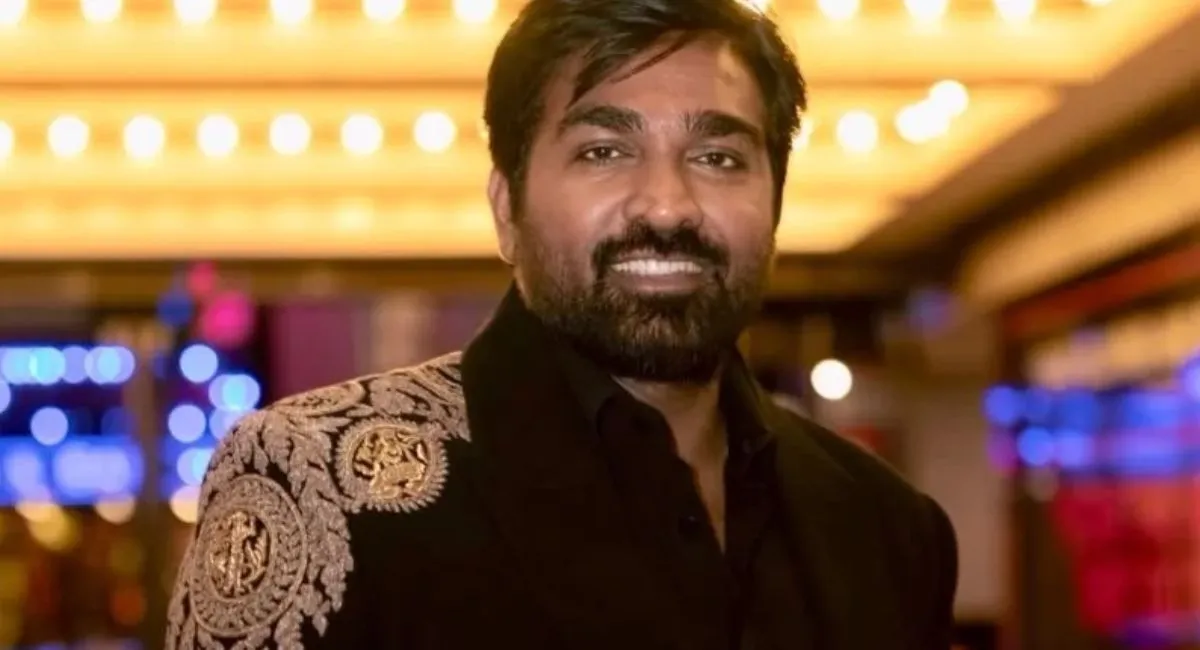
Baby Jean On Taking Malayalam Hip-Hop Beyond Kerala: ‘I Don’t Believe I Should Change My Identity’ | Exclusive
Baby Jean does not want a bigger stage if getting there requires leaving pieces of himself behind. As Malayalam hip-hop expands beyond Kerala and finds listeners across the country, the rapper, whose real name is Habish
लेखक Yatamanyu Narain··146K पढ़े गए
Baby Jean On Taking Malayalam Hip-Hop Beyond Kerala: ‘I Don’t Believe I Should Change My Identity’ | Exclusive
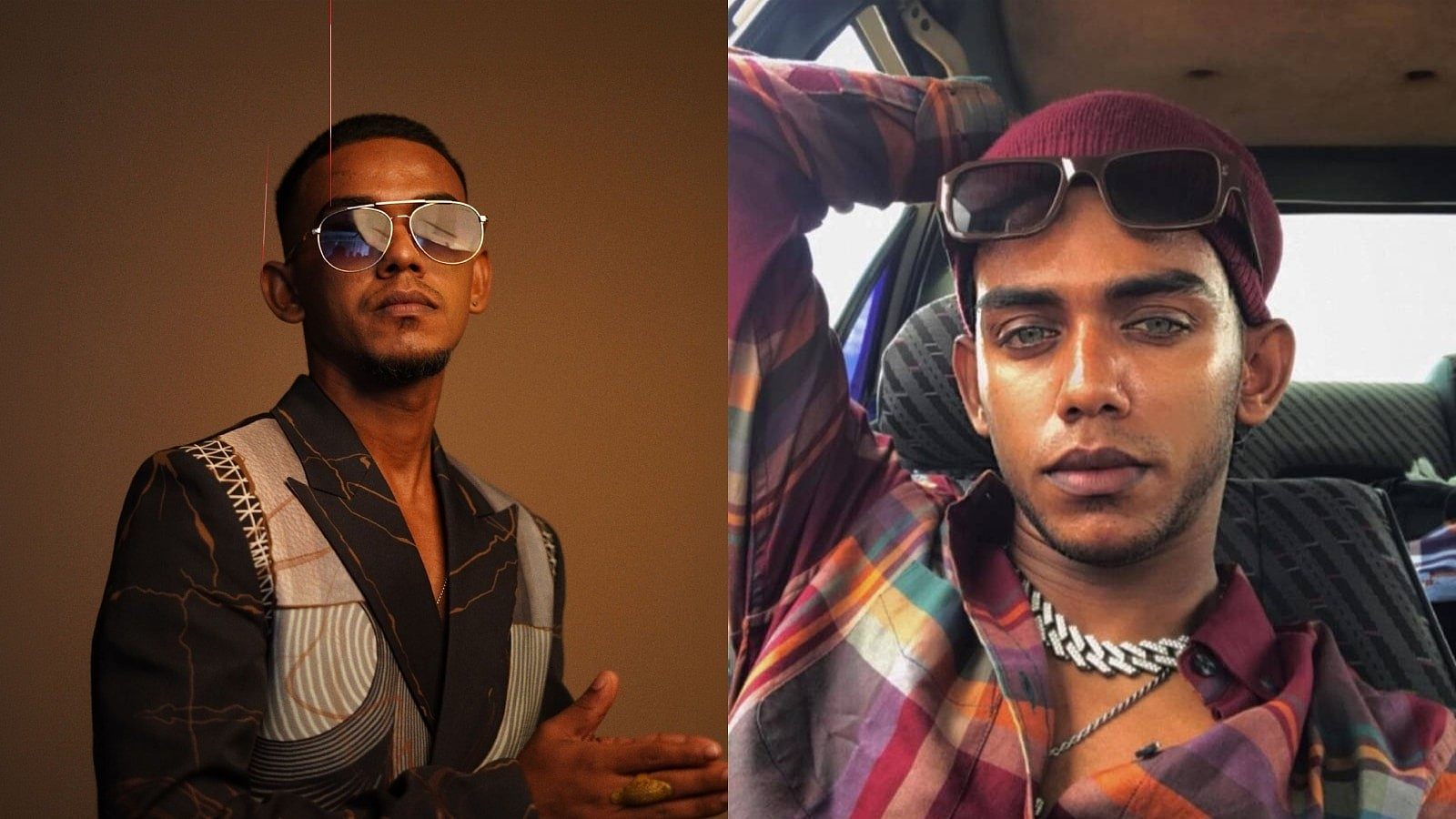
Baby Jean does not want a bigger stage if getting there requires leaving pieces of himself behind. As Malayalam hip-hop expands beyond Kerala and finds listeners across the country, the rapper, whose real name is Habish Rahman, is clear about what he wants to carry with him: the Malappuram slang he grew up speaking, the stories of Othalur, the independence that shaped his music and a refusal to make himself more “acceptable” simply because the audience has become larger.
That philosophy has become particularly relevant as his career begins stretching into new spaces. From independent tracks such as “Bandana” and “Kaayi” to film music and acting, Baby Jean is steadily moving beyond the circuit where listeners first discovered him. His appearance on RED FM’s South Side Story lineup alongside artists including Raghu Dixit, Shobana, Karthik, Avial and Aksomaniac also places Malayalam hip-hop inside a festival that brings markedly different southern musical traditions onto the same bill.
In an exclusive conversation with News18 Showsha, Baby Jean speaks about Malayalam hip-hop’s growing visibility outside Kerala, why he will not dilute the Malappuram dialect for a wider audience, the difference between Habish Rahman and Baby Jean, growing up in Othalur, his mother’s reaction to his success, the creative gamble behind “Kaayi”, acting and film music, and what he believes would constitute a genuine failure for the scene he represents.
Baby Jean On Malayalam Hip-Hop Finding Space Beyond Kerala
Malayalam hip-hop is no longer operating only for listeners already familiar with Kerala’s rap circuit. Artists from the state are reaching audiences across linguistic and geographical borders, and Baby Jean believes the attention reflects something that had existed long before the wider industry began noticing it.
“It feels like Malayalam hip-hop has earned its space. We’ve always had the culture and the music; now it’s reaching a stage where people outside Kerala are paying attention. I’m happy to be part of that moment.”
For him, being part of South Side Story is significant precisely because Malayalam hip-hop gets to occupy the same platform as other musical forms without having to disguise what makes it distinct.
But a bigger audience also creates an obvious question for an artist whose writing and delivery are closely tied to where he comes from. Does the language need to become easier once listeners outside Kerala enter the room?
Baby Jean does not think so.
‘I Don’t Believe I Should Change My Identity Just Because The Audience Is Bigger’
Malappuram slang remains integral to Baby Jean’s music. Rather than translating himself for an unfamiliar crowd, the rapper wants listeners to encounter the feeling of a track first.
“I want them to understand the emotion before they understand the words. The slang is where I come from, and I don’t believe I should change my identity just because the audience is bigger. If they feel it, the language has already worked.”
A festival, however, presents a different challenge from performing before an audience that has specifically bought a ticket to see him. There may be listeners encountering Baby Jean for the first time, leaving him with only a handful of songs to make himself memorable.
“A festival is about making an impact quickly. You may have only a few songs to tell people who you are, so there’s no room to waste. I want someone who has never heard Baby Jean before to walk away wanting to know more.”
Growing Up In Othalur And Hearing His Mother Speak With Pride
The confidence with which Baby Jean now speaks about choosing art was not necessarily available to him growing up in Othalur. He remembers being surrounded by the familiar idea that art could not be treated as a serious profession.
That made his mother’s eventual pride in what he had built particularly meaningful.
“When you grow up hearing that art isn’t a real career, you naturally question yourself. So hearing my mother speak with pride means a lot. But I don’t want success to make me safer—I want it to give me the freedom to take bigger risks.”
It is an important distinction for the rapper. Success, in his understanding, should not result in increasingly cautious choices. He would rather use the security that comes with recognition to make decisions that might have seemed impossible earlier.
That appetite for risk is also closely connected with how Baby Jean has changed since audiences first began identifying him through specific visual and musical markers.
‘Baby Jean Isn’t A Character I Have To Design Anymore’
Before music became his primary means of expression, fashion was Baby Jean’s earliest creative language. As his rap career developed, that visual instinct naturally fed into the identity audiences associated with him.
“Fashion was my first language before music, so that part of me never really disappeared. But Baby Jean isn’t a character I have to design anymore. It has become a part of who I am.”
The stage name has grown beyond an invented persona, but Habish is conscious of the danger of allowing that public identity to dictate the person behind it.
“Baby Jean definitely has a life of its own now. But I don’t want Habish to become someone who is constantly trying to keep up with Baby Jean. The name can evolve, but the person behind it has to stay real.”
That also means he no longer feels compelled to find another visual object to replace the symbols audiences once connected with tracks such as “Bandana”.
“Earlier, those things represented where I came from and what I was trying to prove. Today, I think the music itself represents that. Being able to grow without losing the person I started as—that’s the real flex for me.”
Why Baby Jean Refused To Make ‘Kaayi’ Easier
Baby Jean’s insistence on retaining his identity is perhaps clearest when he discusses “Kaayi”. The risk, he says, was not simply making something unfamiliar. It was resisting the temptation to modify it before listeners had caught up with what he wanted to do.
“The biggest risk was changing it before people were ready for it. I could have made it easier or more acceptable, but then it wouldn’t have been mine anymore. I’d rather wait for people to understand me than change myself to be understood.”
That approach also determines how he chooses subjects for new music. Having something to say does not automatically mean it becomes a song immediately.
“There are definitely stories I haven’t touched yet. Sometimes you know what you want to say, but the music hasn’t arrived yet. For me, the right beat usually tells me when it’s time.”
Baby Jean On Film Songs, Acting And Giving Himself To Someone Else’s Story
As his profile has expanded, Baby Jean has also entered cinema, both through music and acting. He finds acting particularly exposing because it demands a different surrender from independent music.
“Acting feels more vulnerable because you’re giving your entire presence to someone else’s story. But it’s also another instrument for me. Music taught me how to express through sound; acting is teaching me how to express without it.”
That distinction becomes even sharper when he compares cinema with the independence of his own writing room.
Film work requires him to enter an existing creative framework. His independent music remains the place where those external calculations disappear.
“I have to protect that space because independent music is where I’m completely free. On a film set, you’re part of somebody else’s vision. In my own music, I don’t have to ask whether an idea is commercially safe.”
Cinema may consequently introduce Baby Jean to people who have never followed Kerala’s independent hip-hop scene. He welcomes that route of discovery, but believes listeners who stop at the film songs will only encounter one layer of his work.
“I think some people are surprised. The film songs can introduce you to Baby Jean, but the independent music takes you much deeper into where I come from. That’s where you hear the rawest version of me.”
‘We’re Not The Same Sound’: Baby Jean On Dabzee, Hanumankind, Vedan And Fejo
The growing attention around Malayalam hip-hop has also meant that its most visible artists are frequently grouped together as representatives of a single movement.
Baby Jean is comfortable with the idea of a collective moment, but not with treating everyone within it as interchangeable.
“It’s good that people see us as part of a movement, but we’re not the same sound. Dabzee, Hanumankind, Vedan, Fejo and everyone else have their own worlds. Malayalam hip-hop becomes stronger when those differences are allowed to exist.”
For Baby Jean, that distinction matters because the scene’s strength comes from artists bringing their own dialects, experiences and musical instincts into hip-hop rather than converging on whichever formula happens to travel furthest.
What Failure Would Actually Mean For Malayalam Hip-Hop
Numbers are often used as the quickest evidence of whether a music scene is growing or declining. Baby Jean has a very different definition of failure.
“Losing our identity. Numbers going down isn’t failure. But if we become afraid of our own language, dialects and stories and start copying whatever is working elsewhere, then we’ve lost the reason this scene became interesting in the first place.”
It is perhaps the clearest expression of what connects his thoughts about language, independent music, festivals and the wider Malayalam hip-hop movement. The danger, in his view, is not that audiences might occasionally shrink. It is that artists could begin second-guessing the very characteristics that made listeners notice them.
Baby Jean On ‘Kattalan’ And Going Pan-India
That question becomes even more pertinent as Baby Jean moves towards a larger industry through Kattalan. Greater visibility inevitably arrives with greater expectations, but he has no plans to construct a separate, pan-Indian version of Baby Jean for the occasion.
“I know a bigger industry comes with bigger expectations, but I don’t want to manufacture a new version of myself for it. I want to take the same Baby Jean who came from Othalur and put him on a much bigger stage. If that identity can travel, that’s the real achievement.”
For Baby Jean, then, the next stage of growth is not about sanding down the Malappuram slang, separating himself from Othalur or making his independent writing more commercially cautious. It is about finding out how far those things can travel precisely as they are.