Tiger Shroff Incident Brings Back Focus On How Gangs Recruit Local Shooters For High-Profile Attacks
The three men arrested in connection with the firing at actor Tiger Shroff’s car in Mumbai’s Juhu area offer a glimpse into how alleged criminal networks can rely on local operatives to carry out high-profile attacks. Th
Ni Pragati Ratti··167K nabasa
Tiger Shroff Incident Brings Back Focus On How Gangs Recruit Local Shooters For High-Profile Attacks
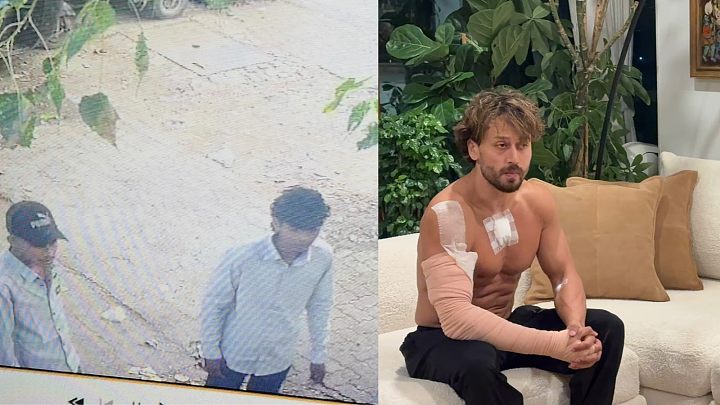
The three men arrested in connection with the firing at actor Tiger Shroff’s car in Mumbai’s Juhu area offer a glimpse into how alleged criminal networks can rely on local operatives to carry out high-profile attacks. The suspects, including a 17-year-old, were apprehended in Rajasthan’s Kota while travelling by train from Mumbai towards Delhi.
The arrests came a day after gunmen opened fire at Shroff’s vehicle as he left a football ground. The actor escaped serious injury, while his driver and an autorickshaw driver sustained gunshot injuries.
Read More: ’15 Minutes Is All It Took’: Kota Police Reveals Details Of Operation To Nab Tiger Shroff Firing Accused
The accused have been identified as Phool Singh, 17, from Haryana’s Sonipat district; Hritik Kumar alias Roshan, 22, originally from Bihar’s Begusarai district and living in Mumbai; and Rehan, 18, also from Sonipat. Kumar reportedly worked as a bike taxi rider.
According to reports, the three suspects had collectively received Rs 50,000 for the attack. Investigators are examining their individual roles and possible links to the Lawrence Bishnoi gang. Kota Superintendent of Police Tejaswani Gautam said preliminary questioning indicated that alleged gang associate Anil Pandit had been in contact with Rehan. Police have not officially confirmed the gang’s involvement, and the weapons used in the shooting had not been recovered as of Monday afternoon.
Salman Khan Firing: Alleged Handlers And Shooters
The April 14, 2024, firing outside Salman Khan’s Bandra residence provides an earlier example of investigators tracing a suspected chain of command.
Two motorcycle-borne men, Vicky Gupta and Sagar Pal, were accused of opening fire outside the actor’s home. Mumbai Police subsequently filed a chargesheet alleging that members of the Lawrence Bishnoi gang orchestrated the attack, with Anmol Bishnoi, Lawrence Bishnoi’s brother, accused of directing the operation.
Investigators alleged that communications between the accused and their purported handlers helped establish how the attack was planned. The case demonstrated why police examine not just the people seen firing weapons, but also the communications and relationships that may connect them to a wider conspiracy.
Baba Siddique Murder: Alleged Recruitment And Financial Inducements
The murder of former Maharashtra minister Baba Siddique on October 12, 2024, brought the alleged recruitment of local operatives into sharper focus.
Mumbai Police alleged in their chargesheet that Anmol Bishnoi played a role in orchestrating the conspiracy. According to reports on the chargesheet, the accused were allegedly promised a flat, a car and an advance payment of Rs 5 lakh.
Investigators also examined alleged reconnaissance around Siddique’s residence and communications between those suspected of participating in the crime. Police explored several possible motives, including the gang’s alleged attempt to intimidate Salman Khan and establish its influence. These remained investigative allegations rather than established findings against every accused.
The case highlighted how alleged criminal recruitment can involve financial inducements, promises of future rewards and intermediaries who connect those planning a crime with those expected to carry it out.
Rohit Shetty Firing: A Wider Network
In February 2026, gunshots were fired outside filmmaker Rohit Shetty’s residence in Juhu. Police arrested multiple suspects and investigated alleged links to the Bishnoi network.
Reports on the investigation described allegations that the operation involved individuals assigned different roles, including carrying out the firing and facilitating the movement of those involved. Investigators examined communications and movements to establish how the suspects were connected.
As with the Salman Khan and Siddique cases, the central challenge was to determine whether the people directly involved were acting independently or following instructions from others.
Why Investigators Look Beyond The Gunmen
The Tiger Shroff investigation now raises similar questions. Police have traced the three suspects to Kota, recovered the motorcycle allegedly used in the attack near Andheri railway station and examined CCTV footage to reconstruct their movements. Their arrest is a significant investigative development, but it does not settle the questions of motive, command or wider criminal involvement.
Investigators will now establish who fired the shots, who may have facilitated the attack, whether money changed hands and whether communications link the suspects to an alleged organised crime network.
The broader lesson from previous cases is that identifying the person who pulls the trigger is only the beginning. To dismantle a criminal operation, investigators must establish the connections behind the act, and prove them with evidence.