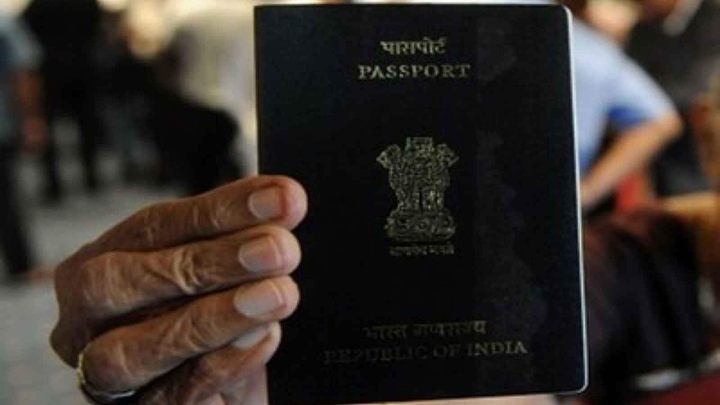
Indian Passport Ranking 2026: India Slips To 84th In Henley Passport Index
India’s passport ranks 84th in the October 2026 edition of the Henley Passport Index, placing it alongside Algeria and Mauritania. While the ranking marks a marginal improvement from 85th in the previous October edition,
Ni Lifestyle Desk··95K nabasa
Indian Passport Ranking 2026: India Slips To 84th In Henley Passport Index
India’s passport ranks 84th in the October 2026 edition of the Henley Passport Index, placing it alongside Algeria and Mauritania. While the ranking marks a marginal improvement from 85th in the previous October edition, the number of destinations Indian passport holders can access without obtaining a visa in advance has fallen from 57 to 55.
The latest ranking, dated October 9, puts India three places below its July 2026 position of 81st. The figures highlight an important distinction in passport rankings: a country can climb the list even as its own visa-access score declines, depending on how other countries perform.
For Indian travellers, the more practical measure is not just the passport’s global rank but the number of destinations they can visit and the entry requirements they must meet.
Henley Passport Index October 2026: Where Does India Stand?
Published by Henley & Partners, the Henley Passport Index ranks passports according to the number of destinations their holders can access without obtaining a traditional visa before departure. The index uses data from the International Air Transport Association (IATA) and covers 199 passports and 227 destinations.
India’s ranking has fluctuated through 2026. It began the year at 80th in January, climbed to 75th in February and slipped to 81st by July. In the October edition, India is placed 84th, tied with Algeria and Mauritania.
The country’s latest position comes with a score of 55 destinations, down from 57 in October 2025. This means that although India’s rank has improved from 85th in the previous October edition, the number of destinations accessible without a prior visa has decreased.
Why Has India’s Passport Ranking Changed?
Passport rankings are relative measures. A country’s position depends not only on its own visa arrangements but also on changes in the travel access available to holders of other passports.
India’s score has been affected by changes to entry policies in other countries. Iran suspended visa-free entry for Indian nationals earlier in 2026, while Bolivia replaced visa-on-arrival access for Indians with an electronic visa requirement.
The country’s latest position comes with a score of 55 destinations, down from 57 in October 2025.
These changes reduced the number of destinations Indian passport holders could access without obtaining a visa in advance. At the same time, shifts in the scores of other countries can alter India’s relative position in the index.
The distinction matters because a higher rank does not automatically mean greater international mobility. Travellers should check the entry rules for their intended destination before booking flights or accommodation, as visa policies can change.
Singapore Tops The Henley Passport Index 2026
Singapore holds the top position in the October 2026 ranking, with access to 193 destinations. Japan, South Korea and the United Arab Emirates share second place, with access to 188 destinations each.
The rankings illustrate the gap between the travel access available to the world’s highest-ranked passports and that available to Indian passport holders, who have access to 55 destinations under the index’s latest score.
For frequent international travellers, such differences can influence how easily they plan short trips, business visits and holidays. However, the index measures access for short visits and does not determine eligibility for employment, higher education or permanent residency in another country.
What Does Visa-Free Access Mean In The Henley Passport Index?
The Henley Passport Index considers three categories of entry access: visa-free entry, visa on arrival and electronic travel authorisation (eTA).
Visa-free entry generally means travellers do not need to obtain a visa before departure for an eligible short visit. Visa on arrival allows travellers to obtain the required permission after reaching their destination, subject to local rules. An eTA is an electronic authorisation that eligible travellers may need to secure before travelling.
These categories are distinct from an electronic visa, which typically requires an application and approval before departure.
The index’s score should therefore not be interpreted as a guarantee that Indian travellers can arrive at every listed destination without completing any formalities. Entry conditions may include passport-validity requirements, return tickets, accommodation details, proof of funds or other documentation.
Where Can Indians Travel Visa-Free In 2026?
According to the destinations listed in the supplied Henley Passport Index data for 2026, Indian passport holders have visa-free access to the following places:
Asia: Bhutan, Kazakhstan, Macao, Malaysia, Nepal and Thailand
Africa: Angola, Mauritius, Rwanda and Senegal
Caribbean and Americas: Barbados, Dominica, Grenada, Haiti, Jamaica, St Vincent and the Grenadines, and Trinidad and Tobago
Oceania and Pacific: Cook Islands, Fiji, Kiribati, Micronesia, Niue and Vanuatu
Other destinations and territories: British Virgin Islands and Montserrat
The list provides options for Indian travellers planning holidays without the additional step of obtaining a traditional visa beforehand. However, visa requirements and permitted lengths of stay vary by destination. Travellers should verify the latest rules through official government or immigration websites before making plans.