From 100 To 14,000: AIIMS Obesity Clinic Charts India’s Rising Burden, States Begin To Follow
As obesity climbs the public health agenda and state governments begin opening dedicated clinics in public hospitals, the oldest among them is already seeing patients in thousands.
Ni Himani Chandna··169K nabasa
From 100 To 14,000: AIIMS Obesity Clinic Charts India’s Rising Burden, States Begin To Follow
As obesity climbs the public health agenda and state governments begin opening dedicated clinics in public hospitals, the oldest among them is already seeing patients in thousands.
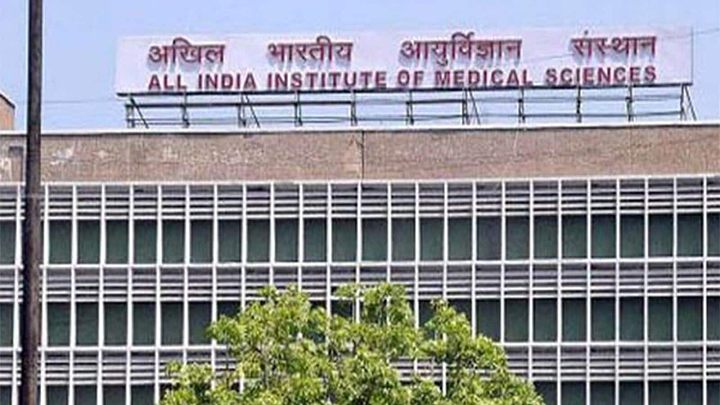
Every Wednesday, the obesity clinic at the All India Institute of Medical Sciences (AIIMS) in New Delhi sees 50 to 60 people, many from weaker economic backgrounds. They come, says Dr Naval K Vikram of AIIMS, not for cosmetic reasons but “after facing physical problems”.
Since it opened in October 2017, the clinic has registered 14,000 patients. It saw about 100 in its first year, and 2,300 have come this year alone, till September. “Since we opened, we have seen a constant increase in patients because the prevalence of obesity keeps rising,” Dr Vikram, who conceived the clinic, told News18.
More recently, falling prices of generic semaglutide have made more patients willing to buy a class of drugs that was long too expensive for most of them, and the clinic has now been prescribing more of it.
“AIIMS Obesity Clinic” opened on October 11, 2017, the day then observed as World Obesity Day, which is now marked on March 4. “It joined a line-up of specialised clinics at AIIMS, among them the chest clinic, the institute’s oldest, and others for sleep disorders and infectious diseases.”
A Clinic Built Around The Whole Patient
The obesity clinic is a multicomponent one. “A nutritionist prepares a personalised diet plan for each patient, and the team also includes a physiotherapist, a psychiatrist, a bariatric surgeon and metabolic physicians.” Over time, it has added state-of-the-art equipment, including a body composition analysis machine, a FibroScan, which shows how obesity affects the liver, and a handgrip strength machine. “When patients need cardiac, orthopaedic or other evaluations, they are referred to other doctors at AIIMS.”
The OPD runs once a week on Wednesdays. “It sees an average of 50 to 60 patients every week, about 20 of them new registrations.”
Cheaper GLP-1 Drugs Change The Equation
The biggest recent change has been cost. GLP-1 drugs, the newer class of obesity medicines, were long out of reach for most of the clinic’s patients, who could not afford the expensive injections. “With generic semaglutide now on the market, prices have fallen, and more patients are willing to buy it. Prescriptions of GLP-1 analogues at the clinic have gone up over the past few months,” Dr Vikram said.
Patients still have to pay for these medicines themselves. “They are free only for limited beneficiaries, such as those under the Central Government Health Scheme (CGHS) panel.”
Other States Follow
AIIMS is no longer the only public institution taking this approach. In March 2025, Gujarat began opening free obesity treatment clinics in civil hospitals in three cities, offering diet plans, exercise guidance and complete health support.
In May this year, the Department of Endocrinology at the Nizam’s Institute of Medical Sciences (NIMS), Hyderabad, inaugurated a dedicated Comprehensive Obesity Clinic. It aims to provide scientific, evidence-based and multidisciplinary care for people living with obesity and related metabolic disorders, and runs from Monday to Saturday.
“Public Health System Needs Training”
Public health experts say the AIIMS model is what the country needs more of, and that the bigger gap is people.
“Similar to AIIMS, India needs more such obesity clinics offering prevention and management of obesity. For this, we need health workforce training, which is one of the main gaps today,” said Prof Monika Arora, vice president, (Research and Health promotion) at the Public Health Foundation of India (PHFI).
India has run maternal and child health programmes and programmes on communicable diseases for decades, she noted, so the workforce on the ground is trained for addressing those challenges.
“Till now we talked about undernutrition, but the nutrition landscape is changing, and the time has come to give obesity the attention it deserves as a risk factor, a chronic disease and major public health challenge. With Poshan 2.0 increasingly recognising obesity, we must also strengthen the capacity of our health system to respond. This means training medical officers, NCD clinic teams and counsellors to prevent, identify and manage overweight and obesity effectively. Equally important is empowering our frontline health workers with the knowledge and skills to recognise obesity early, counsel families and communities, and support healthier behaviours.”
Another public health expert, Dr Arun Gupta, said the rise in the need for treatment of obesity is a worrying trend as AIIMS clinic data shows. “It would be terribly expensive if we rely and continue to treat obesity and fail to prevent it.
There are many steps India needs to take to prevent obesity right from birth onwards including to protect and promote breastfeeding, after six months to avoid commercial ultra-processed foods in the diet of children. One significant step would be to regulate marketing of ultra-processed food products high in sugar, salt and fats.”