Don't Ask Caste, GATE Score: IIT-Bombay's Anti-Discrimination Reminder After Sahil Wakode's Death
IIT Bombay has sent a reminder to students on its anti-discrimination guidelines following the death of 20-year-old student Sahil Wakode, who died by suicide at the institute’s hostel campus. The message calls for greate
Ni Ananya Gupta··114K nabasa
Don't Ask Caste, GATE Score: IIT-Bombay's Anti-Discrimination Reminder After Sahil Wakode's Death
IIT Bombay has sent a reminder to students on its anti-discrimination guidelines following the death of 20-year-old student Sahil Wakode, who died by suicide at the institute’s hostel campus. The message calls for greater inclusivity and urges students to reflect on how discrimination can operate in everyday campus interactions.
“IIT Bombay aims to have high inclusivity within the campus and wants students to bond with each other irrespective of factors such as caste, religion, or socio-economic status,” the email addressed by the dean to the students states.
The dean’s message reiterates the institute’s commitment to implementing the Constitution’s reservation policy in letter and spirit, providing equal opportunities to students and ensuring that they do not face discrimination from faculty members, staff or fellow students.
ALSO READ | IIT-Bombay Student Suicide: Can Psychological Autopsy Reveal Sahil Wakode’s State Of Mind Hours Before Death?
The guidelines also state that students should not ask one another about their birth or admission category. Questions about JEE (Advanced) ranks, GATE scores or other information that could reveal a student’s caste or related background are also discouraged, with the institute warning that even questions asked out of curiosity could lead to bias or adversely affect another student.
The reminder further prohibits the exchange or forwarding of abusive, hateful, casteist or sexist messages, including jokes, as well as content that could amount to harassment or bullying. The guidelines apply to online platforms, emails and in-person interactions. The message warns that violations could invite severe punishment and calls for politeness and sensitivity towards others.
Meanwhile, the investigation into Sahil’s death is continuing, with police examining the circumstances surrounding the incident and the allegations raised by his family and students.
According to police sources, Sahil was caught cheating during an examination and subsequently submitted a written assurance that he would not repeat the mistake. He had also apologised, acknowledging that he was at fault for not being adequately prepared for the examination.
Sources said Sahil had appealed to the institute, saying, “Give me one chance.”
ALSO READ | Sahil Wakode Suicide: Students Divided Over Claims Of Discrimination Amid Casteism Debate At IIT-B
Police are conducting a detailed investigation based on Sahil’s written statement. Professor Suryanarayan Doolla, who has been accused of harassing Sahil, has denied the allegations in his statement to the police.
As part of the probe, statements of more than 20 people, including IIT Bombay Director Shirish Kedare and 12 students, have been recorded. The institute has also constituted a 10-member committee to conduct an internal inquiry into Sahil’s death.
In a related development, the institute has additionally recruited 20 temporary counsellors, including 16 student counsellors and four senior counsellors, as it seeks to strengthen student support services.
Sahil’s parents, meanwhile, continue their hunger strike at Mumbai’s Azad Maidan for the 13th consecutive day, demanding justice for their son and the arrest of IIT Bombay officials. Their protest comes amid growing demands for an independent investigation into the circumstances surrounding Sahil’s death and accountability from the institute.
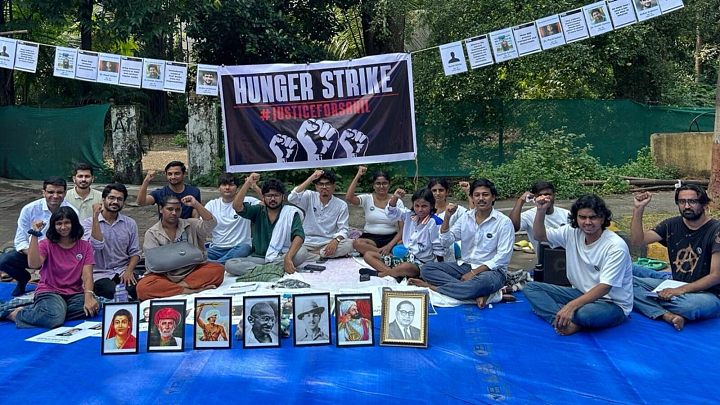
At IIT Bombay, a group of students is also continuing its hunger strike at Justice Corner, demanding an independent inquiry, accountability and measures to ensure that students facing difficulties are not left without support.
In a statement, the protesting students said they had been holding a relay hunger strike for 11 days, with 30 students having stopped eating so far and more joining the protest. “For 11 days, students at Justice Corner have been on a relay hunger strike. Thirty of us have stopped eating so far, and more keep joining,” the statement said.
“Nobody chooses hunger lightly. We do it because we have asked, written, met and waited, and the answers still haven’t come: an independent inquiry, accountability, and a campus where no student is left alone in their worst moment.” It added. The students are demanding an independent probe into Sahil’s death and accountability for the issues they say have remained unresolved.
Adding to the growing protests, student groups staged a demonstration outside the IIT Bombay campus on Wednesday, demanding justice for Sahil.
The ‘Chalo IIT Bombay’ protest saw members of various student and social organisations approach the IIT Bombay administration, demanding accountability over Sahil’s death and action on allegations of caste-based discrimination on campus. As per a statement issued by the student organisation, more than 30 protesters were detained by Powai police, including activists and members of the delegation seeking a meeting with Kedare. Following discussions, a six-member delegation was allowed to meet the director, along with the Chief Security Officer and the SC/ST Cell convenor. During the meeting, the delegation raised concerns over the administration’s handling of the case and demanded a safe and inclusive campus environment.
In a joint statement issued after the Chalo IIT Bombay call, student organisations condemned the police action against protesters and urged the IIT Bombay administration to initiate dialogue with students continuing their protest on campus. The organisations reiterated their demand for accountability and an independent inquiry into Sahil’s death, while calling on the institute to address the concerns raised by students. The statement read that dialogue with the protesting students was necessary to ensure their concerns were heard and addressed.