Can Foreign National Protest In India? What Law Says After 'German' Dhruv Rathee’s Detention
YouTuber Dhruv Rathee’s reported detention in Gurugram ahead of a planned protest in Delhi has brought a legal question into focus: can a foreign national, including a German citizen, participate in political demonstrati
Ni Parishmita Saikia··101K nabasa
Can Foreign National Protest In India? What Law Says After 'German' Dhruv Rathee’s Detention
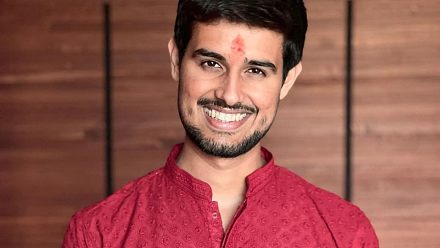
YouTuber Dhruv Rathee’s reported detention in Gurugram ahead of a planned protest in Delhi has brought a legal question into focus: can a foreign national, including a German citizen, participate in political demonstrations in India? The development comes two days after Rathee joined an anti-Special Intensive Revision (SIR) protest in Bengaluru on October 8. Former Bengaluru Police Commissioner and BJP leader Bhaskar Rao has since approached the Union Home Ministry, seeking verification of Rathee’s citizenship, passport, immigration status and compliance with visa conditions.
Rathee was among several people reportedly detained ahead of a demonstration planned by the Cockroach Janta Party (CJP) in Delhi on October 10. The protest was organised around demands concerning Chief Election Commissioner Gyanesh Kumar and the Election Commission’s revision of electoral rolls.
The reported detention and the demand for an immigration inquiry have raised questions about the rights of foreign nationals in India, the conditions attached to their visas and the extent to which they can participate in political activity.
Does The Constitution Allow Foreigners To Protest In India?
The Constitution’s fundamental rights provisions draw an important distinction between Indian citizens and other people residing in the country. Article 19 guarantees citizens the right to freedom of speech and expression under Article 19(1)(a), and the right to assemble peacefully and without arms under Article 19(1)(b). These specific protections are available to Indian citizens, not foreign nationals solely by virtue of being in India.
However, this does not mean that foreigners are outside the protection of the Constitution. Article 14 guarantees equality before the law and equal protection of the laws to any person within India, while Article 21 protects the life and personal liberty of any person. Foreign nationals can invoke applicable constitutional protections, subject to the legal framework governing their presence in the country.
The distinction is therefore between having the same fundamental right to protest as an Indian citizen and being subject to the law while participating in a public gathering. Foreign nationals do not have the same Article 19 entitlement, but their conduct and any action taken against them must still be assessed under applicable law.
Can A Foreign National Face Action For Joining A Political Protest?
A foreign national’s participation in a demonstration can raise questions about whether the activity is permitted under the conditions of their visa or other authorisation to stay in India.
The Immigration and Foreigners Act, 2025, which came into force on September 1, 2025, provides the current statutory framework for immigration and the regulation of foreign nationals. Visa conditions and other applicable rules can restrict the activities a foreign national may undertake in India.
The legality of a particular person’s participation depends on the relevant facts, including their immigration status, the conditions attached to their permission to enter or remain in India, and the nature of the activity. It would therefore be inaccurate to conclude that every foreign national who attends a protest has automatically violated the law.
Authorities may investigate suspected breaches of visa or immigration conditions. Depending on the applicable provisions and the findings, consequences can include cancellation of permission to stay or removal from the country. Any such outcome depends on the circumstances and the relevant legal process.
What Happened During The CAA Protests?
There is a precedent for foreign nationals facing immigration action after participating in political demonstrations in India. During the 2019-2020 protests against the Citizenship (Amendment) Act, several foreign nationals faced questioning or were asked to leave India over alleged breaches of visa rules.
In December 2019, Norwegian tourist Janne-Mette Johansson was asked to leave India after participating in an anti-CAA march in Kochi. In March 2020, the Union government told Parliament that five foreign nationals had been asked to leave the country for participating in anti-CAA protests in violation of visa norms.
These cases demonstrate that participation in a political demonstration can have immigration consequences for a foreign national. They do not, however, establish that every form of protest participation by a foreigner is automatically illegal; the applicable visa rules and individual circumstances remain relevant.
Why Has Bhaskar Rao Sought An Inquiry Into Dhruv Rathee?
In a representation to the Union Home Ministry, Bhaskar Rao sought verification of Rathee’s citizenship and nationality, the passport he used to enter India, the category of visa or other permission under which he was staying, and the duration and stated purpose of his visit.
Rao also asked the ministry to examine whether Rathee had participated in political demonstrations during earlier visits to India, as reported by Aaj Tak. He sought legal action if an investigation established violations of the applicable immigration law, visa conditions or other rules.
The request followed Rathee’s participation in an anti-SIR demonstration at Freedom Park in Bengaluru on October 8. The event, described as a people’s tribunal, was organised by civil society groups and the CJP to oppose the revision of electoral rolls. Actor-activist Prakash Raj and CJP founder Abhijeet Dipke were also present.
Rathee criticised the Election Commission over transparency and accountability during the protest. The demand for an inquiry into his immigration status has since brought his participation under scrutiny.
The representation by Rao is a request for verification and investigation; it is not, by itself, proof that Rathee has violated any law. Nor does the available reporting establish that his reported detention ahead of the Delhi demonstration was officially ordered because he is believed to hold German citizenship.
So, Can A German Citizen Protest In India?
The short answer is that a German citizen does not enjoy the same fundamental right to freedom of speech and peaceful assembly under Article 19 as an Indian citizen. Foreign nationals must also comply with the immigration rules and conditions governing their stay.
But the legal position is not simply that foreigners can never attend a protest. Whether a particular foreign national’s participation breaches the law depends on their immigration status, the applicable visa conditions and the circumstances of the event.
In Rathee’s case, the immediate issues are his reported detention ahead of the Delhi protest and Rao’s request for an investigation into his citizenship and visa status. Until the relevant authorities establish the facts and identify any applicable violation, the request for an inquiry should not be treated as a finding of wrongdoing.