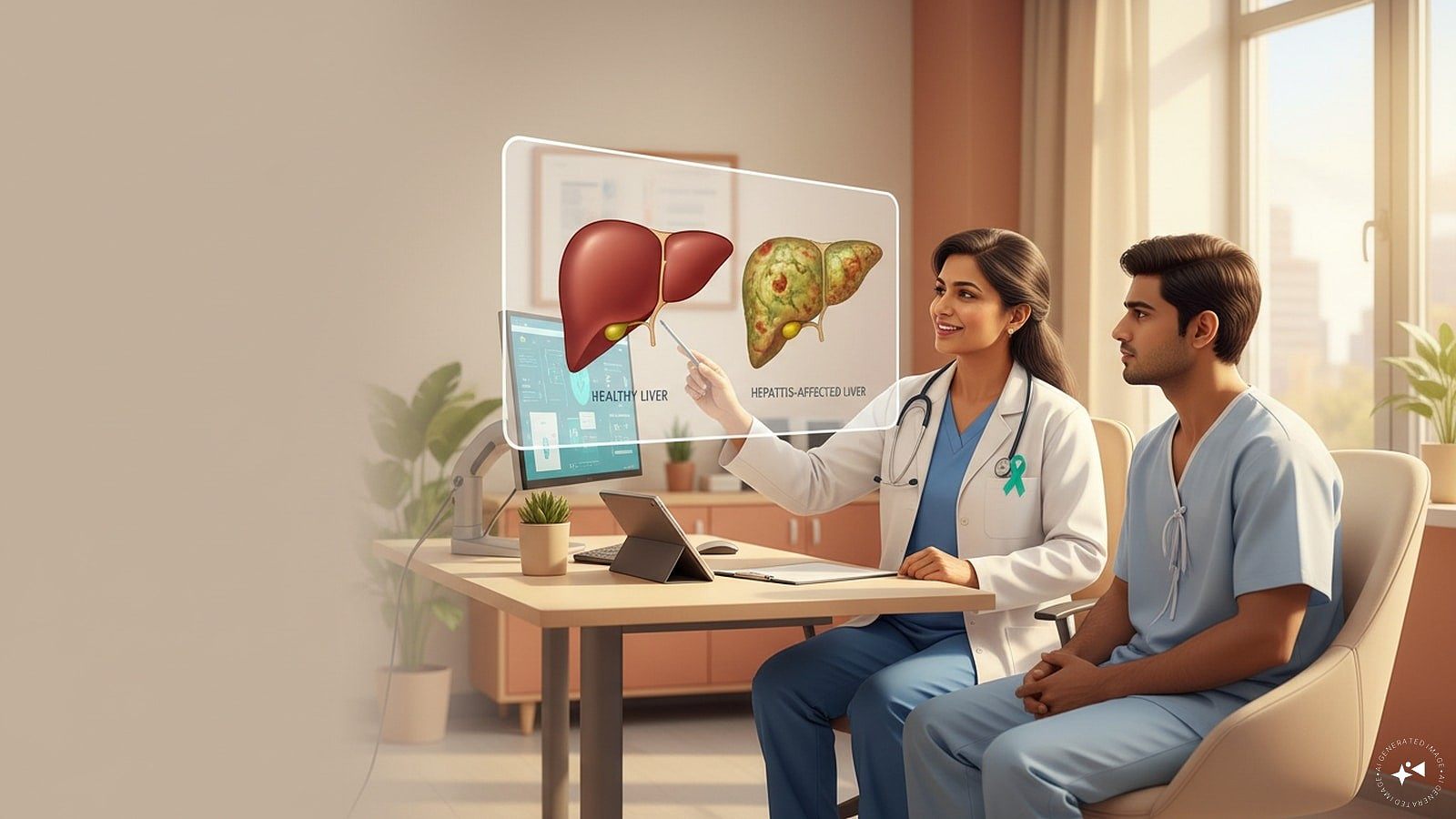
World Hepatitis Day 2026: 10 Early Signs You Should Never Ignore
World Hepatitis Day 2026: Every year on July 28, the world observes World Hepatitis Day to raise awareness about viral hepatitis, a group of infectious diseases that cause inflammation of the liver and can lead to seriou
Ni Nibandh Vinod··18K nabasa
World Hepatitis Day 2026: 10 Early Signs You Should Never Ignore
World Hepatitis Day 2026: Every year on July 28, the world observes World Hepatitis Day to raise awareness about viral hepatitis, a group of infectious diseases that cause inflammation of the liver and can lead to serious health complications if left untreated.
The date marks the birth anniversary of Dr. Baruch Samuel Blumberg, the Nobel Prize-winning scientist who discovered the hepatitis B virus and developed its diagnostic test and vaccine. The observance was officially endorsed by the World Health Organization (WHO) to encourage governments, healthcare providers and communities to strengthen prevention, testing and treatment efforts.
The World Hepatitis Day 2026 theme, “Hepatitis: Let’s Break It Down,” calls for breaking down barriers to awareness, stigma, diagnosis and care. Since viral hepatitis often develops silently with mild or no symptoms in its early stages, many people remain unaware of the infection until significant liver damage has occurred.
Recognising the warning signs early and seeking timely medical advice can help prevent complications such as cirrhosis, liver failure and liver cancer.
What Is Hepatitis?
Hepatitis refers to inflammation of the liver. It can result from viral infections, excessive alcohol consumption, certain medications, autoimmune diseases or exposure to toxins. The most common viral forms are Hepatitis A, B, C, D and E.
While Hepatitis A and E usually spread through contaminated food or water, Hepatitis B, C and D are primarily transmitted through infected blood and bodily fluids.
Early Signs You Should Never Ignore
Persistent Fatigue: Feeling unusually tired for several days or weeks without an obvious reason can be an early sign of hepatitis. The liver plays a vital role in energy metabolism, and inflammation may leave you constantly exhausted.
Loss of Appetite: A sudden lack of interest in food, especially when accompanied by fatigue or nausea, may indicate that the liver is under stress.
Nausea and Vomiting: Many people experience digestive discomfort during the early stages of viral hepatitis.
Fever: A mild fever, particularly in acute hepatitis, may appear before other symptoms become noticeable.
Pain or Discomfort in the Upper Right Abdomen: The liver is located on the upper right side of the abdomen. Inflammation may cause tenderness, discomfort or a dull ache in this area.
Dark-Coloured Urine: One of the most noticeable signs is urine turning dark yellow or brown due to increased bilirubin levels.
Pale or Clay-Coloured Stools: Reduced bile reaching the intestines can cause stools to appear pale, grey or clay coloured.
Yellowing of the Skin and Eyes (Jaundice): Jaundice is one of the hallmark symptoms of hepatitis and requires immediate medical evaluation.
Itchy Skin: Some people experience persistent itching because bile salts accumulate beneath the skin.
Joint and Muscle Pain: Body aches and joint pain may occur, particularly with acute viral hepatitis.
Who Is At Greater Risk?
Certain groups have a higher risk of contracting viral hepatitis, including:
Healthcare workers
People who inject drugs
Individuals with multiple sexual partners or unprotected sexual contact
Babies born to mothers with hepatitis B
People receiving unscreened blood transfusions or unsafe medical procedures
Travellers to regions where hepatitis A or E is common
People living with chronic liver disease
Can Hepatitis Be Prevented?
Yes. Many forms of hepatitis are preventable through simple measures:
Get vaccinated against Hepatitis A and Hepatitis B.
Drink safe, clean water.
Practise good hand hygiene.
Ensure safe food preparation.
Avoid sharing needles, razors or toothbrushes.
Practise safer sex.
Use only sterile equipment for tattoos, piercings and medical procedures.
When Should You See a Doctor?
Seek medical attention immediately if you notice jaundice, persistent abdominal pain, unexplained fatigue lasting more than a few weeks, dark urine or any combination of the symptoms mentioned above.
Early diagnosis through blood tests can significantly improve treatment outcomes and reduce the risk of long-term liver damage.
Why Early Detection Matters
According to the World Health Organization, millions of people worldwide live with hepatitis B or C without knowing they are infected. Early screening, timely diagnosis and access to treatment can prevent severe liver disease and save lives.
World Hepatitis Day serves as a reminder that awareness, vaccination, testing and healthy lifestyle choices remain the strongest tools in the fight against hepatitis.