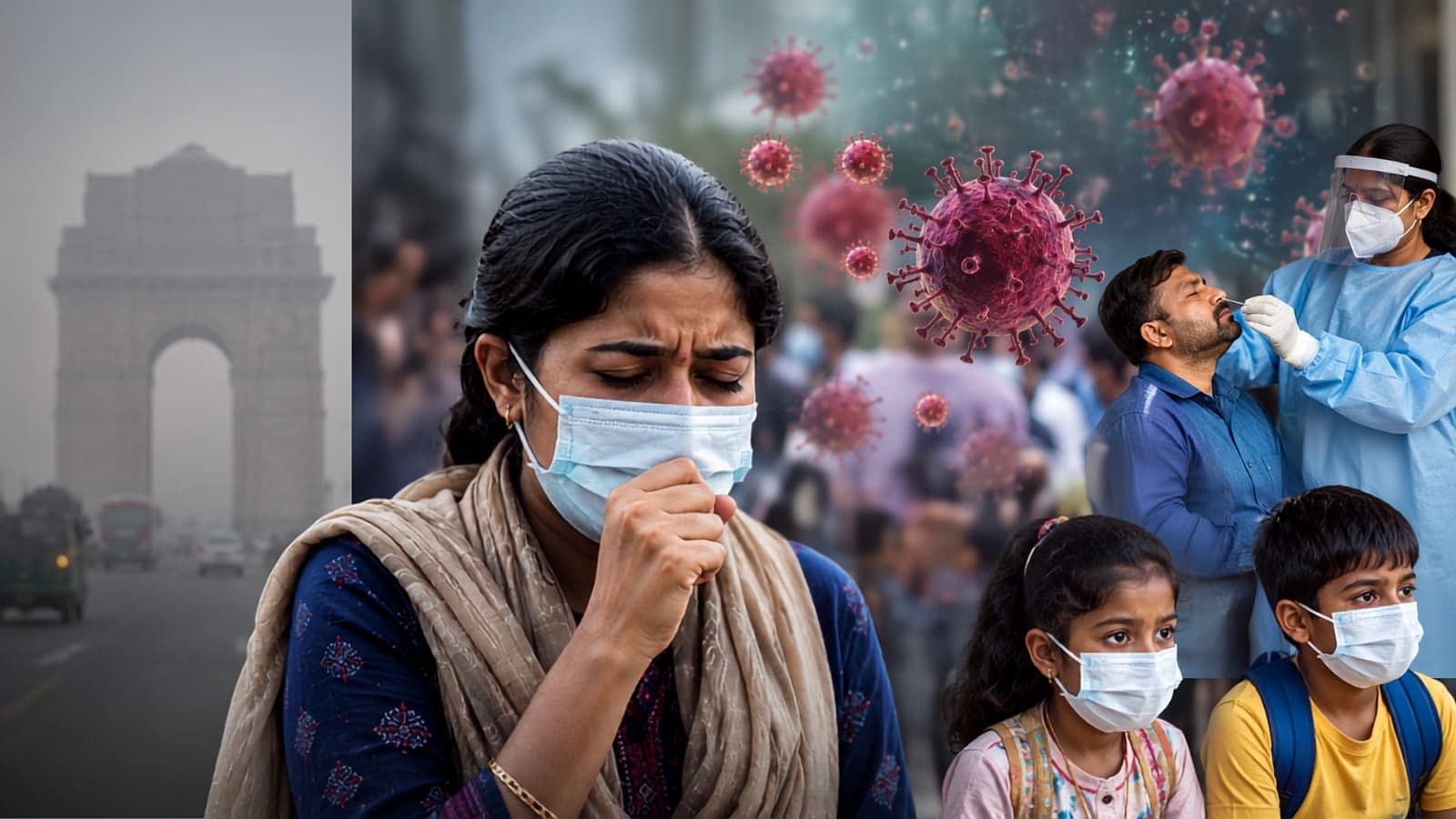
Why Is The Variant Behind Delhi’s H1N1 Cases A Concerning Health Alert In 2026 With Flu-Like Symptoms?
Delhi has recorded a sharp rise in H1N1 influenza cases this monsoon season. Reports indicate the city has seen 1,344 to 1,349 H1N1 cases so far, compared with 229 cases during the same period last year, a nearly six-fol
Ni Tanya Dutt··25K nabasa
Why Is The Variant Behind Delhi’s H1N1 Cases A Concerning Health Alert In 2026 With Flu-Like Symptoms?
Delhi has recorded a sharp rise in H1N1 influenza cases this monsoon season. Reports indicate the city has seen 1,344 to 1,349 H1N1 cases so far, compared with 229 cases during the same period last year, a nearly six-fold increase.
The surge is also being observed across the wider Delhi-NCR region, prompting concern among doctors about flu-like symptoms, vulnerable groups and the need for timely care. H1N1, commonly known as swine flu, is a strain of Influenza A and has been circulating as a seasonal flu virus since the 2009 pandemic.
The current rise in cases has been reported during the monsoon, when respiratory infections can circulate more easily. While the number of H1N1 cases in Delhi has increased nearly six-fold compared with last year, Delhi’s Health Minister Pankaj Singh has also said that government hospitals are fully prepared to handle patients.
What Is Causing the Current H1N1 Surge in Delhi?
H1N1, commonly known as swine flu, is caused by the Influenza A (H1N1) virus. It was first identified in 2009 during a global pandemic and has since become part of the seasonal flu virus pool. According to the World Health Organisation, before the 2009 pandemic the influenza A (H1N1) virus had never been identified as a cause of infections in people; it now continues to circulate as a seasonal virus.
Doctors attribute the present rise to monsoon humidity, fluctuating temperatures and increased indoor transmission in homes, schools and workplaces. H1N1 now behaves largely like a seasonal influenza virus, meaning periodic waves of infection can be expected.
H1N1 spreads in ways similar to other seasonal influenza viruses. It can pass from person to person through respiratory droplets when an infected individual coughs, sneezes or talks. It can also spread through contaminated surfaces and close contact with an infected person. Importantly, an infected person can transmit the virus before they begin to feel sick.
What Are The Common Symptoms Of H1N1?
H1N1 can look similar to other types of seasonal flu, which can make it difficult to identify based on symptoms alone. The virus spreads through respiratory droplets released when an infected person coughs, sneezes or talks, and by touching contaminated surfaces then touching the face.
Common symptoms include:
fever or chills
cough
sore throat
a runny or stuffy nose
body aches
headache
fatigue
Some people may also experience diarrhoea and vomiting. Symptoms can appear rapidly, generally within one to four days after exposure- begining suddenly with high fever and intense body pain. These features can overlap with dengue, COVID-19 and other monsoon infections, which can delay recognition.
Why Are Doctors Particularly Concerned About Children?
While healthy people generally recover from H1N1, the infection can become more serious in vulnerable groups. NDTV identifies young children, older adults, pregnant women and people with chronic health conditions as groups that may require greater attention.
Doctors report a noticeable increase in children presenting with fever, cough, cold and body ache. One paediatrician noted that around 25 to 30 school-going children are seen daily with flu-like symptoms in outpatient departments; among those tested, approximately three to four test positive for H1N1.
Common symptoms in children include high fever, dry cough, sore throat, headache, body ache, tiredness, weakness and poor appetite. Some children also experience vomiting or diarrhoea. Because symptoms closely resemble routine viral flu, delays in seeking care can occur. Young children are among the groups at higher risk of complications.
When Should You Get Tested For H1N1?
Testing is advised for people in high-risk groups, those with severe or worsening symptoms, individuals who have been in close contact with a confirmed or suspected case, and those who work in healthcare or with vulnerable populations.
Not everyone with a mild cough necessarily needs an H1N1 test. However, testing should be considered for people in high-risk groups, those with severe or worsening symptoms, people who have been in close contact with someone diagnosed with H1N1 or showing similar symptoms, and those working in healthcare or around vulnerable populations.
Most healthy people recover with rest, fluids and supportive care. Antiviral medicines such as oseltamivir may be prescribed by a doctor, particularly for high-risk patients or those who present early. Antibiotics are not effective against the virus unless a secondary bacterial infection is confirmed. Self-medication should be avoided.
Which H1N1 Symptoms Need Immediate Medical Attention?
Certain symptoms should not be ignored. People with H1N1 who develop shortness of breath, chest pain, persistent dizziness, confusion or severe vomiting should seek immediate medical care.
The current rise in Delhi’s H1N1 cases does not mean that the virus is a new pandemic. H1N1 has been part of the seasonal influenza virus pool since 2009. What makes the present situation important is the significant increase in reported cases and the need to recognise symptoms early, particularly among vulnerable people.
Steps Help Reduce the Risk of Infection
The nearly six-fold rise in H1N1 cases this monsoon underscores the need for awareness of flu-like symptoms that may signal more than a routine seasonal illness, particularly among children and other vulnerable groups. Timely recognition of warning signs and appropriate medical care remain central to limiting complications.
Public health recommendations include:
frequent handwashing
covering coughs and sneezes
wearing a mask when symptomatic
avoiding close contact with vulnerable people
staying home when unwell, and maintaining good ventilation
Annual influenza vaccination remains one of the most effective ways to reduce the risk of severe disease, especially for high-risk groups.
Doctors advise parents to keep sick children home from school and to seek early medical evaluation when symptoms appear severe or progressive.