When Is Narali Purnima 2026? Date, Significance, Puja Timings And Celebrations
Narali Purnima, also known as Nariyal Purnima, is an important festival observed mainly by fishing communities along Maharashtra’s Konkan coast and other coastal regions. Dedicated to the sea and traditionally associated
Ni Nibandh Vinod··15K nabasa
When Is Narali Purnima 2026? Date, Significance, Puja Timings And Celebrations
Narali Purnima, also known as Nariyal Purnima, is an important festival observed mainly by fishing communities along Maharashtra’s Konkan coast and other coastal regions. Dedicated to the sea and traditionally associated with Lord Varuna, the festival is marked by offerings of coconuts, prayers and colourful celebrations.
The word ‘Narali’ refers to coconut, while ‘Purnima’ means the full moon day. For the Koli fishing community, Narali Purnima carries particular significance as it marks the traditional beginning of the new fishing season after the monsoon break.
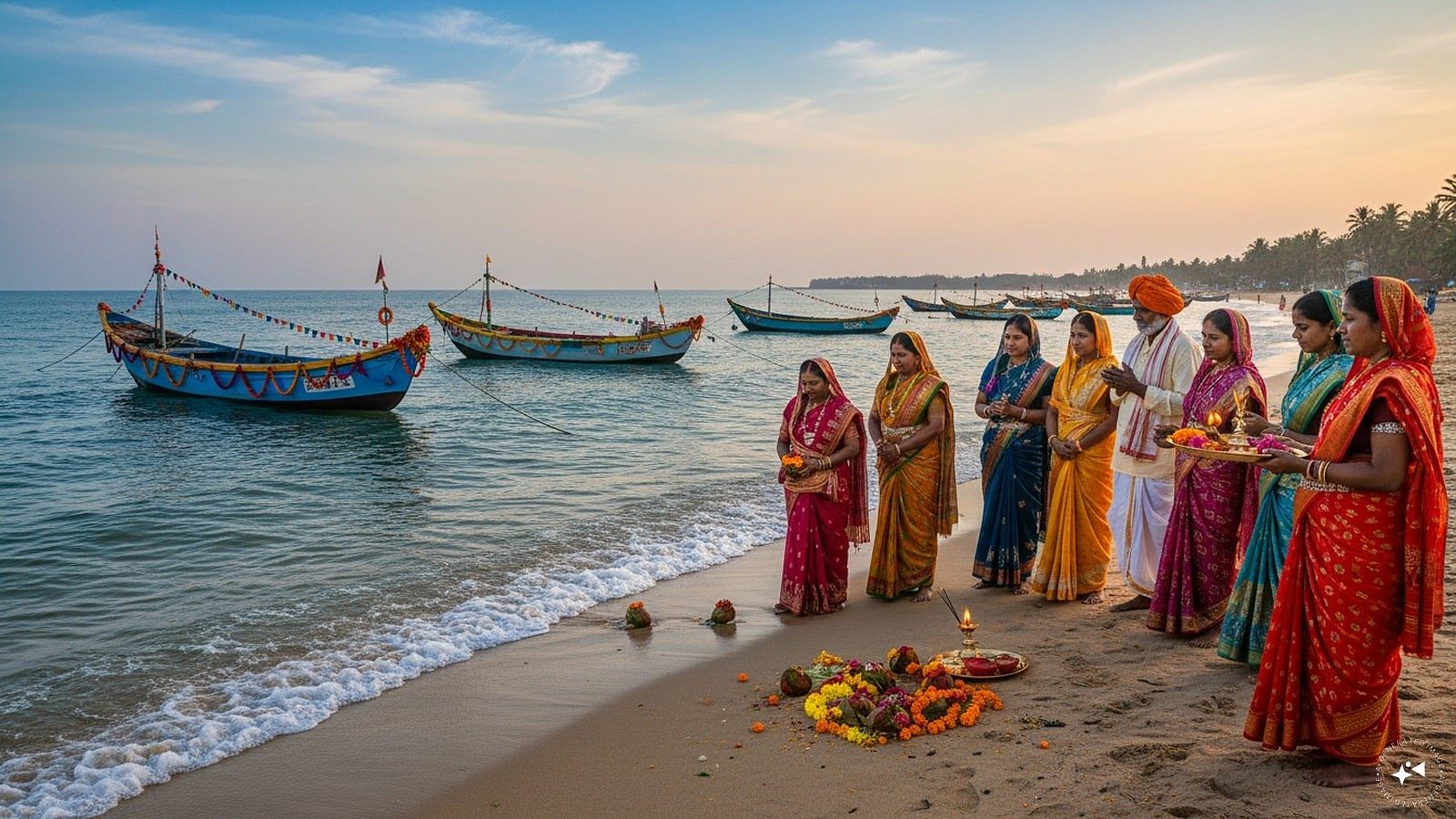
Fisherfolk decorate boats, offer coconuts to the sea and seek blessings for safe journeys and a prosperous fishing season.
The festival is also observed as Shravana Purnima and falls on the same full-moon day as Raksha Bandhan in 2026. According to Drik Panchang, Narali Purnima will be observed on Friday, August 28, 2026. The Purnima Tithi begins on August 27 and ends on August 28.
Narali Purnima 2026 Date
Narali Purnima will be celebrated on Friday, August 28, 2026.
According to Drik Panchang, the festival falls on Shravana Purnima, the full moon day of the Hindu month of Shravana. In Maharashtra, particularly along the Konkan coast, the day is popularly known as Narali Purnima or Nariyal Purnima.
Narali Purnima 2026 Purnima Tithi Timings
According to the Drik Panchang timings provided for Narali Purnima 2026:
Purnima Tithi begins: 9:08 AM on August 27, 2026
Purnima Tithi ends: 9:48 AM on August 28, 2026
Narali Purnima: Friday, August 28, 2026
Narali Purnima Significance
Narali Purnima has deep cultural and livelihood-related significance for Maharashtra’s coastal fishing communities. The festival is traditionally associated with the end of the monsoon fishing break and the beginning of a new fishing season.
Fisherfolk worship the sea and seek blessings for safety before venturing into the waters. Coconuts are offered to Lord Varuna, traditionally regarded as the deity associated with oceans and waters. The ritual represents gratitude towards the sea and prayers for a safe and successful fishing season.
The festival is particularly prominent among Koli communities in Mumbai and along the Konkan coast. Boats and fishing equipment may be cleaned, repaired and decorated before the celebrations, while families prepare traditional coconut-based dishes.
Why Is Coconut Offered On Narali Purnima?
Coconut is at the heart of the festival, giving Narali Purnima its name. Devotees traditionally offer coconuts to the sea while praying to Lord Varuna.
For fishing communities, the ritual is an expression of gratitude and a prayer for protection as they return to the sea for the fishing season. The coconut therefore represents both a religious offering and an important cultural symbol associated with the sea and livelihood.
How Is Narali Purnima Celebrated?
Celebrations vary across communities, but traditional observances include:
Offering coconuts to the sea and praying to Lord Varuna.
Decorating fishing boats with flowers, buntings and other festive items.
Performing puja for boats before the fishing season begins.
Seeking blessings for safe journeys and a good catch.
Preparing traditional coconut-based dishes, including Narali Bhat, a sweet coconut rice preparation.
Singing, dancing and gathering with family and members of the fishing community.
In Maharashtra’s coastal areas, the festival is closely connected with the fishing community’s seasonal cycle and relationship with the sea.
Narali Purnima And Raksha Bandhan 2026
Narali Purnima and Raksha Bandhan fall on the same Shravana Purnima in 2026, on Friday, August 28. While Narali Purnima is particularly associated with coastal Maharashtra and fishing communities, Raksha Bandhan is observed more widely as a celebration of the bond between siblings.