Varaha Jayanti 2026: Date, Katha, Puja Vidhi And Timings
Varaha Jayanti 2026 Date: Varaha Jayanti is a sacred Hindu festival dedicated to Lord Vishnu’s Varaha avatar, the divine boar incarnation who rescued Bhudevi, the Earth goddess, from the cosmic waters. Traditionally coun
Ni Nibandh Vinod··26K nabasa
Varaha Jayanti 2026: Date, Katha, Puja Vidhi And Timings
Varaha Jayanti 2026 Date: Varaha Jayanti is a sacred Hindu festival dedicated to Lord Vishnu’s Varaha avatar, the divine boar incarnation who rescued Bhudevi, the Earth goddess, from the cosmic waters. Traditionally counted as the third incarnation among Vishnu’s Dashavatara, Varaha represents the restoration of balance when dharma is threatened.
Varaha Jayanti is being celebrated today, on Sunday, September 13. Devotees worship Lord Varaha and Vishnu, listen to the Varaha Katha, offer flowers, fruits and traditional naivedya, and observe a vrat according to family tradition. The festival carries a powerful message of protection, restoration, devotion and the preservation of cosmic order.
When is Varaha Jayanti 2026?
According to Drik Panchang, Varaha Jayanti falls during Shukla Paksha Tritiya of the Bhadrapada month. The Tritiya tithi begins at approximately 7:08 AM on September 13 and ends at approximately 7:06 AM on September 14.
For Mumbai, the September 13 panchang places madhyahna around 12:34 PM, making the midday period especially relevant for worship.
Who is Lord Varaha?
Lord Varaha is the boar incarnation of Lord Vishnu and is traditionally regarded as the third of Vishnu’s ten principal avatars, or Dashavatara.
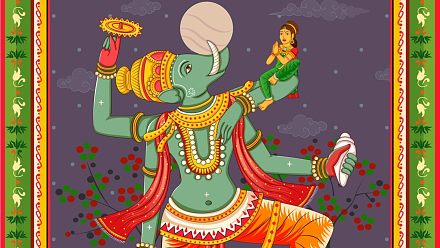
The Varaha avatar is associated with the rescue of Bhudevi, the personification of Earth. The image of Varaha lifting the Earth on his tusks is one of the most recognisable representations of Vishnu’s protective role.
The story is found in different forms across Hindu sacred literature, including traditions associated with the Bhagavata Purana and Vishnu Purana.
Varaha Jayanti 2026 Katha
According to the traditional Varaha Katha, the Earth goddess Bhudevi had been submerged in the cosmic waters. The powerful asura Hiranyaksha is described in the tradition as having taken the Earth into the depths, creating a crisis that threatened the balance of creation.
To restore order and rescue Bhudevi, Lord Vishnu manifested in the magnificent form of Varaha, the divine boar.
Varaha entered the cosmic waters and located the Earth. He raised Bhudevi upon his tusks and began bringing her back to safety. Hiranyaksha confronted the Lord and challenged him to battle.
A fierce battle followed between Varaha and Hiranyaksha. In the Bhagavata tradition, the demon attempts to obstruct Vishnu’s rescue of the Earth before Varaha ultimately defeats him. With the demon vanquished, the Lord restores Bhudevi and cosmic order is re-established.
The central message of the story is therefore not merely the victory of one warrior over another. Varaha represents divine intervention to restore balance, protect creation and re-establish dharma when disorder prevails.
What is the significance of Varaha Jayanti?
Varaha Jayanti is particularly associated with themes of:
Protection of the Earth: Bhudevi is rescued and restored to her rightful place.
Victory of dharma: Varaha defeats the force that has disturbed cosmic order.
Restoration: The avatar symbolises bringing something precious back from a state of crisis.
Devotion to Vishnu: Devotees worship Varaha as a manifestation of Vishnu’s protective power.
Strength and courage: The story represents divine strength used for the protection of creation.
The Varaha narrative also carries a distinctive symbolism in Vaishnava thought: the Earth is represented as worthy of protection rather than as an ordinary object. Some traditional interpretations connect Varaha with yajna and the cosmic principles that sustain creation.
Varaha Jayanti 2026 Puja Vidhi
Devotees can perform a simple home puja with sincerity and cleanliness. Ritual details may differ according to family tradition, sampradaya and regional practice.
Take a bath and prepare for the puja: Devotees traditionally take a bath in the morning and wear clean clothes. The puja area should be cleaned before the worship begins.
Set up Lord Varaha: Place an image or murti of Lord Varaha, or Lord Vishnu, on a clean altar. If available, a depiction of Varaha with Bhudevi may be used. A Shaligram is also worshipped by some Vaishnava households.
Light a diya: Light a ghee or oil lamp and incense, if custom permits. Begin the puja with a prayer to Lord Vishnu and mentally state your sankalpa, or intention for the worship.
Perform Abhishekam: If an appropriate idol is being worshipped, devotees may perform a simple abhishekam with clean water. Panchamrit, traditionally prepared using ingredients such as milk, curd, ghee, honey and sugar, is also used in many Hindu worship traditions. The quantity and ingredients need not be elaborate. A simple, respectful offering is sufficient for a home puja.
Offer flowers and naivedya: Offer fresh flowers, tulsi leaves where appropriate to the Vishnu tradition, fruits and traditional sweets. Devotees can offer sattvic food as naivedya and later distribute it as prasad.
Chant Vishnu mantras: Devotees may chant a Vishnu mantra, recite Vishnu Sahasranama, or read prayers dedicated to Lord Varaha. A commonly recited Vishnu mantra is: Om Namo Bhagavate Vasudevaya.
Read or listen to Varaha Katha: Reading the Varaha Katha is an important devotional component because it helps devotees reflect on the meaning of the avatar – the protection of Bhudevi, defeat of adharma and restoration of dharma.
Perform aarti: Conclude the puja with aarti and prayer. Devotees may pray for the wellbeing of their family, protection, stability and the welfare of all living beings.
Varaha Jayanti Vrat: What do devotees eat?
Fasting on Varaha Jayanti is not necessarily identical for every devotee. Vrat practices vary according to family tradition, health, age and sampradaya.
Some devotees observe a strict fast, while others follow a phalahar or fruit-based fast. Some may consume permitted vrat foods.
There is no need to undertake a difficult fast merely because it is being followed by someone else. Those who have medical, dietary or other practical limitations should follow appropriate advice and their established religious tradition.
What to offer Lord Varaha on Varaha Jayanti?
Simple devotional offerings can include:
Fresh flowers
Tulsi, where appropriate in the devotee’s Vishnu-worship tradition
Seasonal fruits
Milk
Panchamrit
Traditional sattvic sweets
A diya
Incense
The emphasis of the puja is devotion and sincerity rather than the number or cost of offerings.
Varaha Jayanti 2026: Do’s and don’ts
Do’s
Take a bath and wear clean clothes before puja.
Keep the puja space clean.
Worship Lord Vishnu or Varaha with devotion.
Read or listen to the Varaha Katha.
Offer simple sattvic food as naivedya.
Follow the fasting tradition observed by your family or sampradaya.
Check a local panchang for the precise puja timing.
Don’ts
Do not treat one city’s panchang timing as universally applicable across India.
Do not undertake an extreme fast if it is unsuitable for you.
Avoid turning the festival into a purely ritualistic exercise without understanding its devotional significance.
Do not claim that a particular ritual guarantees material outcomes such as property, wealth or other specific benefits unless that claim is clearly presented as a belief or tradition.
Why is Varaha Jayanti celebrated?
Varaha Jayanti commemorates the appearance of Lord Vishnu as Varaha to rescue Bhudevi and restore cosmic balance. The festival therefore represents the idea that dharma can be restored even when disorder appears overwhelming.
For devotees, the festival is an opportunity to remember Vishnu’s role as the protector of creation and to reflect on the sacredness of the Earth.
The story’s enduring image – Varaha lifting the Earth from the cosmic waters – also makes the festival particularly powerful as a reminder of responsibility towards the world in which all life exists.
The heart of Varaha Jayanti is the story of Lord Vishnu rescuing Bhudevi, defeating Hiranyaksha and restoring dharma. A simple puja, sincere prayer, Katha recitation and appropriate vrat can help devotees observe the festival with its traditional spiritual significance.