TUI passengers given delays warning as best and worst airlines list released
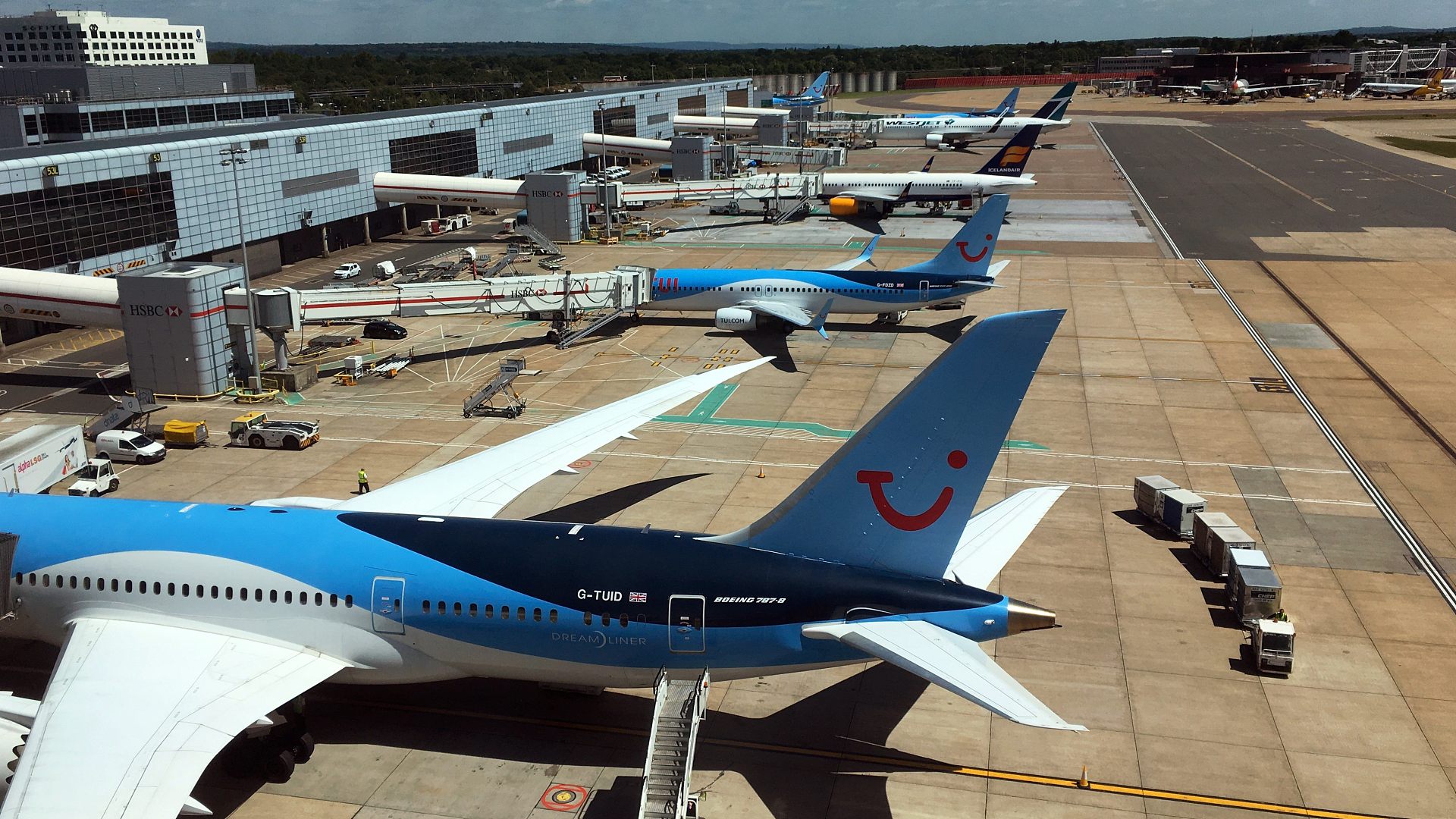
A fresh warning has been placed against travellers flying with TUI after the airline was ranked as one of the worse for delays in the United Kingdom.
Ni Tom Earnshaw··13K nabasa
TUI passengers given delays warning as best and worst airlines list released
A fresh warning has been placed against travellers flying with TUI after the airline was ranked as one of the worse for delays in the United Kingdom.
The 2025 travel data was released today (22 June) by the Civil Aviation Authority (CAA), courtesy of reporting from PA.
Away from price rise worries, TUI Airways flights were delayed by 20 minutes and 24 seconds on average; the fifth worst in the country for punctuality.
One TUI route had an average delay of more than three quarters of an hour delayed; that being Birmingham to the Greek island of Zante, with that delay sitting at 46 minutes on average. The averages have been done on routes with at least 100 flights in a year.
Rory Boland, editor of consumer magazine Which? Travel, said it was 'unacceptable' that airline passengers 'continue to face unreliable service' amid fare rises.
He said: "Airlines must do more to support travellers during delays, including clearly communicating their rights and eligibility for compensation.
"It’s worth putting in a claim with your airline if you think it’s responsible - and escalating the complaint if it refuses to pay."
The worst airline for delays was Air India, with Blue Islands in second and TAP Air Portugal third.
Jet2 came 13th, Wizz Air 14th, and Ryanair 15th.
Irish airline Aer Lingus ranked at 16th, with American Airlines 18th and Delta 19th.
Aage Dunhaupt, TUI Group’s director of communications, said: "We fully understand that for holidaymakers, every minute counts.
"Minimising delays remains a top priority, and our teams work continuously to improve operational performance across our network."
Dunhaupt said the airline makes 'a conscious choice' to operate flights 'wherever possible, even if they are delayed, rather than cancelling them', as this ensures passengers reach their destination 'rather than facing the risk of extended disruption'.
The analysis took into account all scheduled and chartered departures from UK airports by airlines operating more than 2,500 of these flights last year: