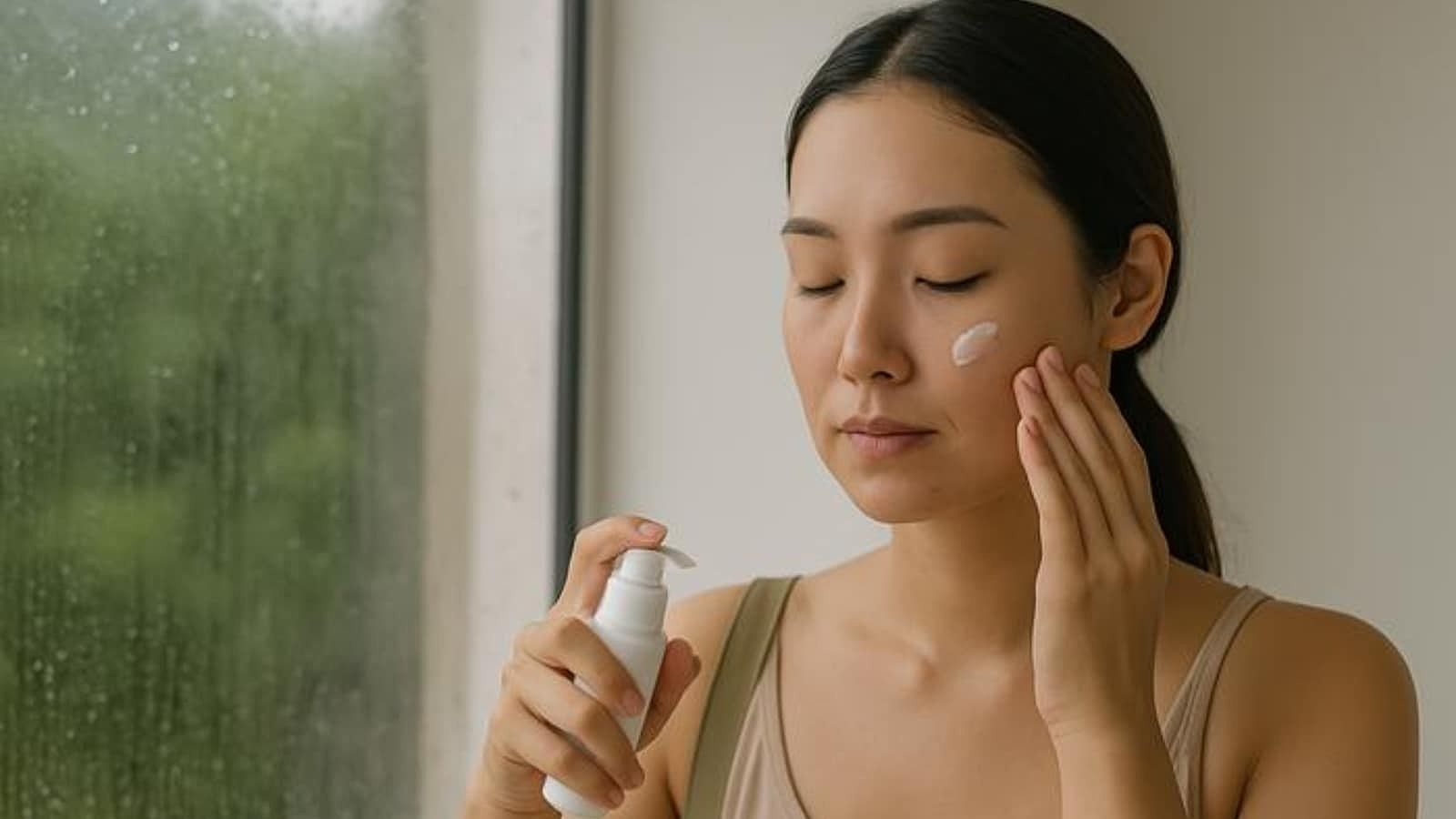
Rain, Humidity And Your Skin: 3 Monsoon Skincare Myths Dermatologists Want You To Stop Believing
The first spell of rain usually feels like a small rescue from the summer heat, yet it also revives a familiar question: Can rainwater really harm your skin? Some people believe it causes acne, rashes and fungal infectio
Ni Swati Chaturvedi··13K nabasa
Rain, Humidity And Your Skin: 3 Monsoon Skincare Myths Dermatologists Want You To Stop Believing
The first spell of rain usually feels like a small rescue from the summer heat, yet it also revives a familiar question: Can rainwater really harm your skin? Some people believe it causes acne, rashes and fungal infections, while others think it is naturally clean and may even be beneficial. The real answer lies somewhere in between.
Rainwater itself is not inherently harmful. However, the elements present in the atmosphere, along with the conditions that follow rainfall, can affect your skin. During the monsoon, high humidity, excessive sweating, wet clothes and exposure to pollutants can create ideal conditions for various skin problems.
Understanding the difference between myths and medical facts can help you enjoy the season without compromising your skin. Dr Nupur Warke, dermatologist, Derma Elite Clinic, Thane, helps differentiate between the two.
Myth 1: Rainwater Directly Causes Skin Infections
Rainwater does not contain bacteria or fungi that automatically infect your skin. The real issue is what happens after you get wet.
In urban environments, rainwater can pick up dust, pollutants and airborne particles before it reaches the ground. If it remains on the skin for a long time, particularly when mixed with sweat and oil, it can irritate sensitive skin or worsen existing conditions. Staying in wet clothes or wearing damp footwear for hours can also increase the risk of fungal infections, especially in skin folds and between the toes.
The simple solution is to shower with clean water after getting drenched and change into dry clothes as soon as possible.
Myth 2: Monsoon Acne Is Caused By Rain
Acne does not develop simply because rainwater touches your face. Instead, the season’s high humidity is largely responsible.
When the air holds more moisture, it can contribute to increased oil production. At the same time, sweat, dirt and everyday pollution can clog pores more quickly. Many people also find themselves touching or wiping their faces repeatedly after getting caught in the rain, which can transfer bacteria and increase irritation.
People with oily or acne-prone skin may therefore experience more frequent breakouts during the monsoon.
Using a gentle cleanser twice a day, avoiding heavy cosmetics and keeping the face clean without over-washing can help maintain the skin’s natural balance.
Myth 3: If You Have Sensitive Skin, You Should Avoid The Rain
There is no medical reason to avoid stepping out in light rain solely because you have sensitive skin. However, individuals with eczema, rosacea or allergic dermatitis may experience flare-ups if their skin barrier is already compromised.
Applying a suitable moisturiser before heading outdoors and cleansing the skin once you return home can help reduce irritation. If redness, itching or persistent rashes develop, it is better to seek professional evaluation rather than relying solely on home remedies.
When Common Skin Problems Need Medical Attention
Most monsoon-related skin concerns improve with good hygiene and an appropriate skincare routine. However, persistent pigmentation following inflammation, stubborn acne marks, recurrent fungal infections or chronic redness may require specialised treatment.
Modern dermatology offers a range of evidence-based solutions depending on the underlying condition. Technologies such as Harmony XL Pro allow dermatologists to address various skin concerns, including pigmentation, vascular blemishes, acne scars and certain skin conditions, with precision.
The choice of treatment varies from person to person depending on their diagnosis, skin type and clinical findings. Therefore, consulting a qualified dermatologist is essential before proceeding with any treatment.
Monsoon Skincare: Small Habits Make A Big Difference
Healthy skin during the rainy season is less about avoiding the rain and more about maintaining a consistent skincare routine. Cleansing the skin after outdoor exposure, wearing breathable fabrics, keeping your feet dry, avoiding sharing towels and using sunscreen even on cloudy days can help reduce seasonal skin problems.
The monsoon does not have to be feared. Rainwater itself is rarely the culprit; rather, the combination of humidity, pollution and inadequate skin hygiene can often lead to problems. Separating myths from medical facts allows you to enjoy the season while giving your skin the care it needs.