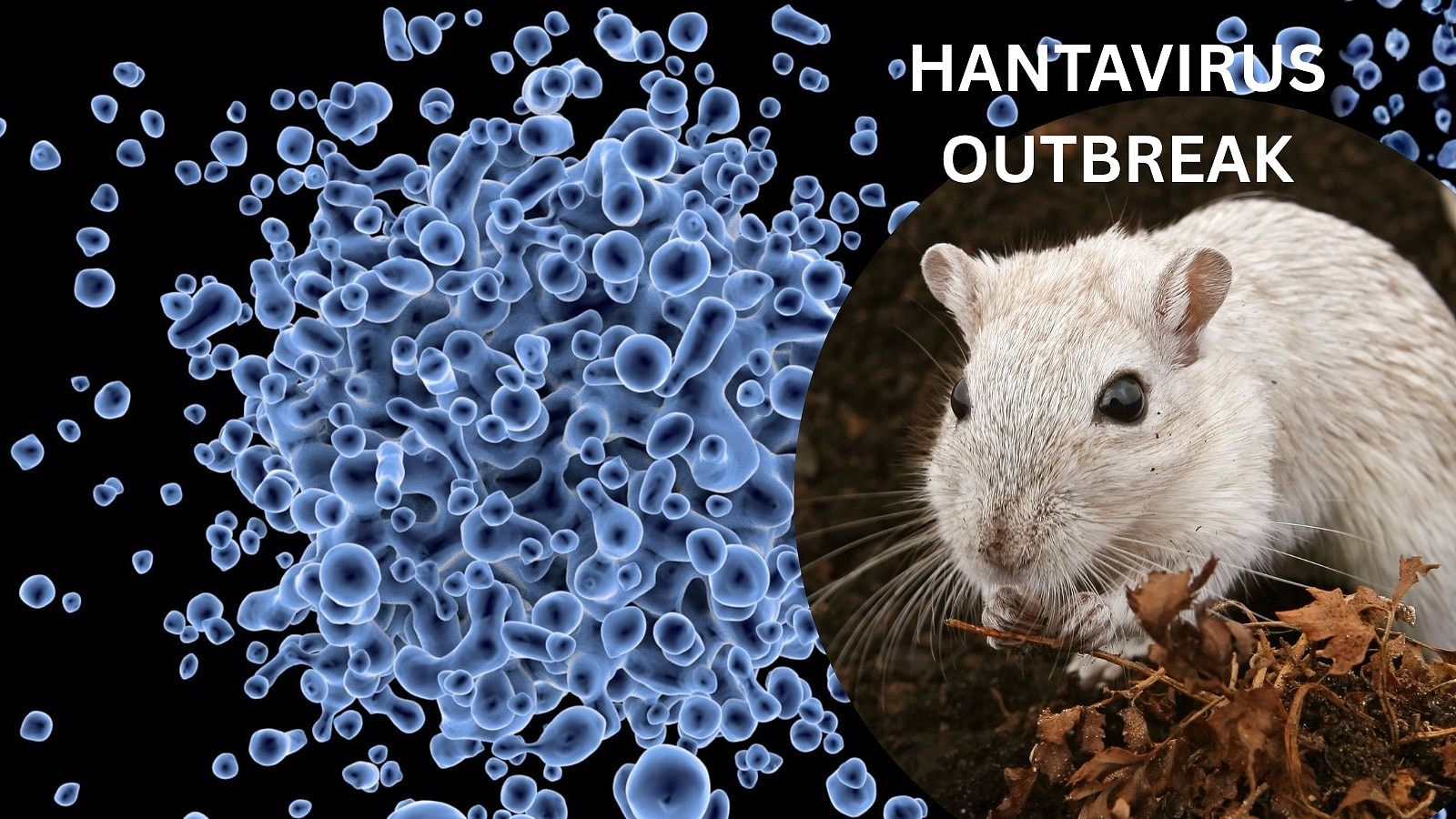
Hantavirus Outbreak In Venezuela Kills 3 And 2 More Deaths Suspected: What The Rat-Borne Virus Does To Your Body
Venezuela has confirmed three deaths from hantavirus infections, while health authorities are investigating two additional suspected deaths linked to the virus. Although officials have stressed that the cases appear to b
Ni Tanya Dutt··7K nabasa
Hantavirus Outbreak In Venezuela Kills 3 And 2 More Deaths Suspected: What The Rat-Borne Virus Does To Your Body
Venezuela has confirmed three deaths from hantavirus infections, while health authorities are investigating two additional suspected deaths linked to the virus. Although officials have stressed that the cases appear to be isolated and there is currently no evidence of sustained human-to-human transmission in the country, the outbreak has raised fresh concerns about the rare but potentially life-threatening disease spread primarily by infected rodents.
The cases, reported in July 2026, have prompted heightened surveillance even as officials emphasize that the incidents appear isolated with no evidence of sustained community transmission or person-to-person spread within the country.
The confirmed fatalities occurred in the eastern state of Anzoátegui. Two additional deaths involving healthcare workers in Barinas state are still under investigation and have not been linked to the confirmed cluster. The Venezuelan Health Ministry has deployed public health teams to the affected regions while assuring residents that the outbreak does not currently pose a widespread community risk.
What is Hantavirus and How Does It Spread?
Hantavirus refers to a family of viruses carried primarily by rodents such as rats and mice. Humans typically contract the infection by inhaling aerosolized particles from rodent urine, droppings, or saliva, especially in enclosed or poorly ventilated spaces. Less common routes include direct rodent bites or touching contaminated surfaces followed by contact with the face.
Different strains cause varying syndromes. In the Americas, hantaviruses are often associated with Hantavirus Pulmonary Syndrome (HPS), which can rapidly progress to severe respiratory distress and fluid buildup in the lungs. Some strains, particularly the Andes virus prevalent in South America, have been linked to rare instances of human-to-human transmission under conditions of close, prolonged contact.
This recent Venezuelan development comes shortly after the World Health Organization declared the end of a hantavirus outbreak aboard the Antarctic-bound cruise ship MV Hondius, which infected 11 people and resulted in three deaths earlier in 2026.
What Are The Early Symptoms Of Hantavirus Infection?
Symptoms usually appear one to eight weeks after exposure. Early signs can resemble influenza, making diagnosis difficult in the initial stages.
Common symptoms include:
Fever and chills
Severe muscle aches
Headache
Fatigue
Nausea and vomiting
Abdominal pain
As the disease progresses, some patients develop coughing, chest tightness and severe shortness of breath due to fluid accumulation in the lungs. Without prompt medical care, the condition can rapidly become fatal.
Can Hantavirus Affect The Brain?
Although hantavirus is best known for damaging the lungs or kidneys, severe infections can also affect the nervous system. Reduced oxygen levels, inflammation, low blood pressure and widespread infection may result in confusion, altered consciousness, seizures or other neurological complications in critically ill patients. While direct brain involvement is uncommon, doctors advise immediate medical attention if neurological symptoms develop alongside suspected hantavirus infection.
How Can You Protect Yourself From Hantavirus?
There is currently no approved vaccine or specific antiviral treatment for most hantavirus infections, making prevention the best defence.
Health experts recommend:
Keeping homes and workplaces free from rodents.
Sealing cracks and openings where rodents can enter.
Wearing gloves and a well-fitting mask while cleaning rodent-infested areas.
Spraying disinfectant on rodent droppings before cleaning instead of sweeping or vacuuming them, which can release infectious particles into the air.
Storing food securely and disposing of waste properly to discourage rodents.
Human hantavirus infections remain rare, but their high fatality rate means every confirmed cluster is closely monitored by public health authorities. The latest deaths in Venezuela highlight the importance of early diagnosis, rodent control and public awareness, particularly in rural and agricultural communities where exposure risk is highest.
While officials maintain that the current cases are isolated, surveillance and investigations continue as authorities work to determine whether the two suspected deaths in Barinas are also linked to the virus.