Beyond The Overwater Villa: The Maldives’ New Luxury Story
From coral nurseries and hydroponic gardens to solar power and food-waste composting, Maldivian resorts are rethinking what it means to stay in paradise.
Ni Swati Chaturvedi··5K nabasa
Beyond The Overwater Villa: The Maldives’ New Luxury Story
From coral nurseries and hydroponic gardens to solar power and food-waste composting, Maldivian resorts are rethinking what it means to stay in paradise.
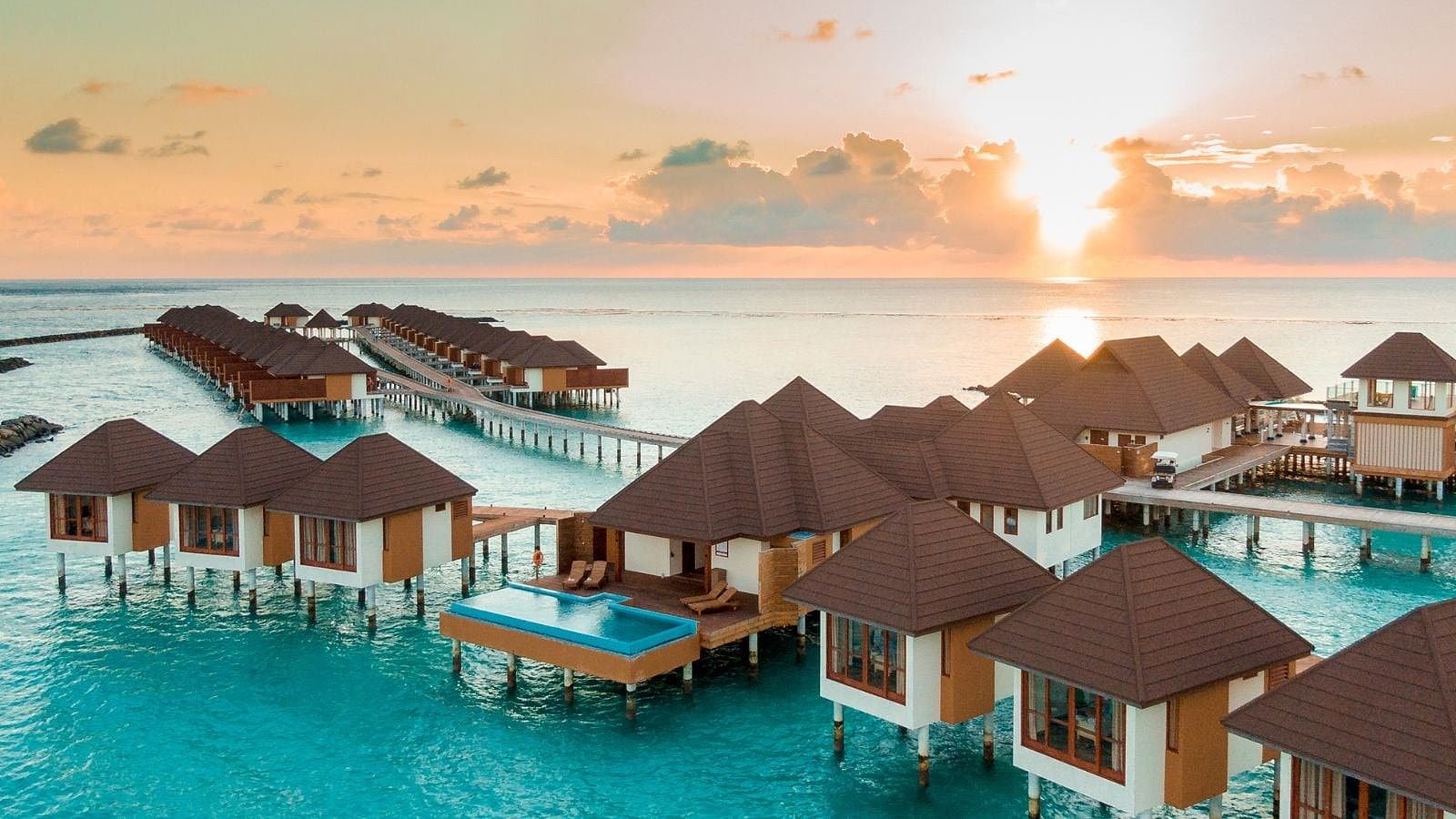
There was a time when luxury in the Maldives was measured in private pools, overwater villas and the number of steps between your bedroom and the lagoon. Today, the definition is becoming more nuanced. The most considered resorts are asking a different question: what does it mean to experience paradise without compromising the very ecosystem that makes it extraordinary?
Across the islands, a new generation of luxury hospitality is making sustainability less of a back-of-house exercise and more of a part of the guest experience. Coral restoration happens beneath the water; vegetables grow on islands that once relied heavily on imports; food waste is turned into compost or biogas; and solar power is quietly becoming part of the energy mix.
When Sustainability Becomes Part of the Stay
At Ventive Hospitality, which operates properties across India and the Maldives, that shift is already visible in the numbers. More than 70 per cent of the energy used across four of its hotels in India comes from green sources, while its Maldivian conservation programmes have helped restore more than 10,000 coral fragments.
“Luxury hospitality today is being redefined by purpose. Guests increasingly seek destinations that not only deliver exceptional experiences but also demonstrate a genuine commitment to protecting the environments and communities that make those experiences possible,” says Ranjit Batra, CEO, Ventive Hospitality Ltd.
The philosophy is not limited to headline-grabbing interventions. At Ventive’s properties, measures such as glass water bottling, wastewater reuse, plastic reduction, local food sourcing and renewable energy are being incorporated into everyday operations. In the Maldives, the company says its conservation programmes have engaged 1,556 guests, while food-waste-to-biogas systems have diverted 132.98 tonnes of food waste from disposal.
The idea is simple but significant: sustainability works best when it becomes invisible to the guest without being invisible in its impact.
A Resort That Eats Its Own Waste
At RAAYA by Atmosphere, that philosophy begins with something as ordinary as a kitchen bin. Since April 2024, the resort has been composting approximately 600 kilograms of organic waste every month, turning it into nutrient-rich compost rather than sending food waste off the island. The initiative has also helped reduce transportation emissions and operational costs, with the resort estimating savings of around USD 2,400 a month.
“Today’s discerning traveller is looking beyond beautiful destinations, they want to know that the places they visit are actively protecting the environment and supporting local ecosystems,” says Mario Stanic, General Manager, RAAYA by Atmosphere.
Today, approximately 30 per cent of RAAYA’s power is generated through its solar plant. Recyclable waste is transported off the island only once every two months, while further investments in glass crushing and green-waste shredding are planned to strengthen its circular economy.
From Island Soil to the Dinner Table
Perhaps the most appealing expression of the resort’s philosophy is found not in an engineering room, but on the plate. At Seb’s Farm, herbs, vegetables and seasonal produce are grown on the island using compost generated from the resort’s own organic waste. Guests can visit the farm, learn how the produce is cultivated and then encounter those ingredients at the dining table.
It is a small but tangible reminder that sustainability need not feel like a restriction; it can be an experience in itself.
The same principle extends beneath the surface of the lagoon. RAAYA’s in-house marine biologist leads coral-planting and reef-conservation experiences, while guided nature walks introduce guests to the island’s native flora and fauna. The resort has also been recognised as a Green Globe-certified property and was named a winner at the International Sustainability Awards 2026.
The Reef Is the Real Luxury
At Conrad Maldives Rangali Island, the relationship between luxury and conservation is equally immersed in the landscape. The resort has a dedicated marine biology team, coral nurseries and reef rehabilitation programmes, with guests invited to participate in coral planting and adoption initiatives.
“Today’s luxury traveller expects more than exceptional service and unique experiences. They want to know that their stay contributes positively to the destination they are visiting,” says Nick Flynn, General Manager, Conrad Maldives Rangali Island.
For Conrad, that contribution extends well beyond its house reef. The resort has eliminated 90 per cent of single-use plastics, while measures across the property have contributed to a 40 per cent reduction in energy consumption.
Growing Food in the Middle of the Ocean
Then there is the 500-square-metre hydroponic garden, an unlikely sight in a destination where much of what ends up on a plate traditionally has to travel across the ocean.
Since 2022, Conrad Maldives has also facilitated hydroponic systems on 11 neighbouring islands, helping communities grow produce locally and reducing dependence on imported vegetables. Several of those islands are already harvesting their own crops.
It is an approach that makes food security part of the sustainability conversation. In a country where geography makes importing fresh produce an unavoidable reality, growing food closer to where it is consumed is both an environmental and practical proposition.
Bringing Guests Into the Conservation Story
The ocean remains the most immediate reminder of why all of this matters. Through PADI’s Adopt the Blue programme, Conrad has adopted its house reef and undertaken marine-debris removal initiatives. A recent Dive Against Debris effort removed 110 kilograms of marine litter, primarily plastics and metal waste from the reef ecosystem.
Guests, meanwhile, are invited to see the work for themselves. Coral planting, marine biology sessions, responsible diving and snorkelling briefings and visits to the hydroponic garden turn sustainability from a brochure promise into something tangible.
The Next Chapter Is Solar, Biogas and Batteries
Conrad’s ambitions extend further. A biogas plant is expected to become operational by November 2026, with projected annual carbon savings of approximately 61,000 kilograms of CO₂.
A solar rooftop expansion and battery-storage system is planned for completion by June 2027, with anticipated annual carbon savings of around 375,000 kilograms of CO₂.
The resort already has solar generation, electric buggies, a heat-recovery system meeting 95 per cent of its hot-water demand and treated-wastewater reuse in place. In 2025, it became one of only two resorts in the Maldives to receive PADI Eco Center Certification, while also participating in PADI Adopt the Blue and Green Fins.
The Future of Luxury Is Responsible
Yet perhaps the most compelling shift is not technological at all. It is cultural. The Maldives has always sold a dream of escape: a place of turquoise water, white sand and seemingly untouched horizons. But increasingly, the most responsible resorts are asking travellers not merely to look at that beauty, but to understand what keeps it alive.
At Ventive, the ambition is to create destinations that generate experiences while contributing positively to the communities and ecosystems around them. At RAAYA, a discarded piece of food can become compost, compost can become vegetables and those vegetables can return to the guest’s table. At Conrad, a coral fragment planted by a visitor can become part of the reef that future visitors will swim over.
“We believe true exceptional hospitality lies in creating meaningful experiences that preserve the Maldives for future generations while allowing guests to become part of that positive impact,” says Stanic.
And perhaps that is where Maldivian luxury is headed: not away from indulgence, but towards a more thoughtful version of it. The private villa, the reef-side dinner and the extraordinary view remain. What changes is the story behind them.
Because the most memorable luxury may no longer be simply about what a destination gives you. It may also be about what you leave behind.