Beyond Spas And Yoga Retreats, Travellers Are Planning Wellness Holidays Around Water
For years, a wellness holiday typically meant booking a resort with a spa, yoga sessions and a carefully designed detox menu. That idea is now expanding beyond treatment rooms. Travellers are increasingly planning holida
Ni Surbhi Pathak··18K nabasa
Beyond Spas And Yoga Retreats, Travellers Are Planning Wellness Holidays Around Water
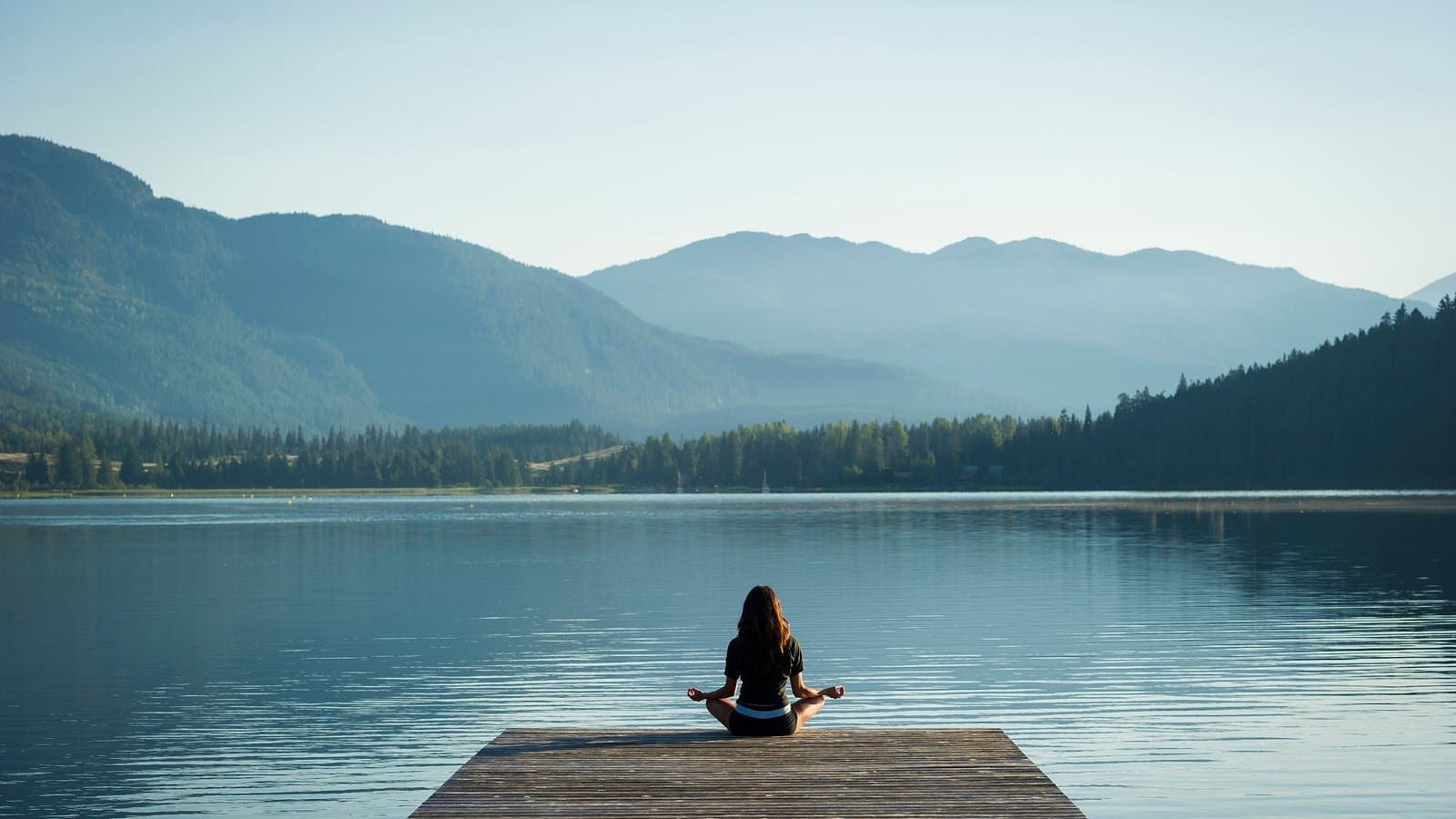
For years, a wellness holiday typically meant booking a resort with a spa, yoga sessions and a carefully designed detox menu. That idea is now expanding beyond treatment rooms. Travellers are increasingly planning holidays around seas, rivers, lakes, hot springs and other natural water settings—giving rise to what the industry calls blue wellness tourism.
The shift comes as wellness travel itself grows rapidly. According to Grand View Research’s Wellness Tourism Market (2026–2035) report, the global market was valued at USD 990.4 billion in 2025. It is projected to rise from USD 1,085.6 billion in 2026 to USD 2,400 billion by 2035.
Blue wellness is not simply about choosing a hotel with an ocean view. It may involve soaking in a Japanese onsen, kayaking along a sacred river, practising yoga beside a lagoon, snorkelling around coral reefs or doing nothing more structured than taking an unhurried walk along the shore.
The appeal is easy to understand. After years of packed itineraries and always-connected travel, many people are looking for holidays that offer fewer checklists and more room to breathe.
From Vacation To Recovery
Burnout, digital fatigue and overstimulation are increasingly influencing where and how people travel. Instead of trying to cover several attractions in one trip, travellers are leaving gaps in their schedules, staying longer in one place and prioritising restorative experiences.
“The language guests use has shifted noticeably in recent years. It’s less about vacation and more about recovery,” says Sara Siyam, Director of Marketing at Sun Siyam Resorts in the Maldives.
She says guests often arrive feeling exhausted and in need of a reset. The ocean then becomes more than a picturesque background. Snorkelling, diving, paddleboarding, overwater therapies and quiet time beside the shore allow travellers to experience the destination at a slower pace.
Japan is witnessing a similar shift. Ryo Bunno, Executive Director of the Japan National Tourism Organization in Delhi, says Indian travel agents are increasingly receiving requests for stress-free holidays and easy itineraries.
“Rather than trying to cover as many places as possible, travellers now emphasise relaxation, keeping free time in their schedules and enjoying slower, more restorative journeys,” he explains.
Why Japan Offers More Than Hot Springs
Japan’s onsen towns show how water, culture and wellness can come together without turning a trip into a conventional spa retreat.
In destinations such as Hakone and Beppu, hot springs are woven into everyday life. A stay at a traditional ryokan may include bathing in mineral-rich water, eating seasonal meals, sleeping in a minimalist room and following rituals shaped by centuries of local culture.
“Water is never just a spa amenity; it carries centuries-old meaning as a source of healing, purification and renewal,” Bunno says.
Travellers can pair an onsen stay with Zen meditation, forest bathing in cedar groves, temple cuisine or yoga against a volcanic landscape. Okinawa adds another layer through its reputation for longevity-focused living. Some stays introduce visitors to local eating habits, community life and everyday wellness practices, while Ogimi Village offers rural tourism and educational homestays.
The country’s blue wellness experiences also extend beyond hot springs. Visitors can kayak along the Kumano River, try stand-up paddleboarding at Lake Chuzenji in Nikko, canoe along the Toyohira River or experience takigyō—a traditional practice that involves standing beneath a waterfall as a form of physical and spiritual purification.
Water-focused breaks are not limited to remote areas either. Kyoto’s seasonal riverside dining platforms along the Kamo River bring calm into an urban holiday. Osaka’s network of rivers and bridges has earned it the description “City of Water”, while Tokyo’s Sumida riverfront offers contemporary public spaces built around waterside living.
The Maldives Is Moving Beyond The Overwater Villa
In the Maldives, water has always been central to the holiday. What has changed is the intention with which travellers engage with it.
“The overwater villa used to be the destination five years ago; now it is the starting point,” Siyam says. “Guests want to be in the water, on it or near it, engaging with it intentionally.”
This could mean night snorkelling as manta rays feed beneath illuminated water, joining a marine biologist to monitor coral health or participating in coral restoration. Other travellers may prefer ocean-based spa therapies, lagoon aerobics, hydrotherapy, beach yoga or a silent sunset cruise.
Conservation is also becoming part of the wellness experience. Rather than treating the reef merely as an attraction, some programmes allow guests to collect data on marine life or help attach coral fragments to restoration frames.
This reflects another change in wellness tourism: travellers increasingly want an experience that feels meaningful, not merely photogenic. A soothing holiday beside water can lose its appeal if the activities damage the ecosystem that makes the destination special.
Who Is Driving The Trend?
Blue wellness is attracting different age groups for different reasons.
Travellers above 45 often seek relaxation, health maintenance and longevity-focused programmes. Millennials may combine wellness with family time, culture and adventure, choosing activities that work for parents, children or friends.
Gen Z travellers, meanwhile, are showing interest in digital detox, conservation and community-based experiences. “They research experiences before they book, ask about marine-life encounters and want experiences that are meaningful, not just photogenic,” Siyam says of younger guests.
Multi-generational families are also contributing to demand. One destination can offer a child’s first snorkelling experience, diving for parents and a gentle cruise or waterside spa treatment for grandparents.
Are Indian Travellers Embracing Blue Wellness?
Indian travellers are gradually moving from conventional sightseeing to experience-led holidays. Japan recorded 315,100 tourist arrivals from India in 2025, up from 175,896 in 2019, according to figures shared by Bunno.
First-time visitors often follow Japan’s familiar Golden Route covering Tokyo, Kyoto and Osaka. However, repeat travellers are more likely to explore hot-spring towns, alpine lakes, rivers and coastal retreats.
“Indian travellers who return to Japan a second or third time are the ones seeking out a ryokan beside a hot spring, a kayaking experience on the Kumano River or a lakeside morning in Nikko,” Bunno says.
In the Maldives, Indian guests have traditionally travelled for honeymoons, anniversaries and milestone celebrations. They are now combining these occasions with snorkelling, paddleboarding, diving, dolphin excursions and ocean-inspired treatments.
How To Plan A Blue Wellness Holiday
A water-focused itinerary does not need to be expensive or built around a luxury resort. What matters is choosing experiences that allow genuine interaction with the setting.
Before booking, consider:
The pace of the itinerary: Stay longer in fewer places instead of moving hotels every day.
Your preferred level of activity: Choose between restful experiences such as onsen bathing and riverside meditation or active options such as kayaking, SUP and snorkelling.
Seasonal conditions: Water visibility, marine encounters, river levels and weather can change throughout the year.
Safety and accessibility: Check swimming ability requirements, currents, certified guides, medical restrictions and age limits.
Environmental practices: Look for responsible operators, trained naturalists and programmes that protect rather than disturb marine life.
Digital boundaries: Limited connectivity can support a detox, but download maps, reservations and emergency information beforehand.
Cultural etiquette: Japanese onsen, sacred rivers and community-run retreats may have rules concerning clothing, bathing and photography.
Where Could Blue Wellness Grow In India?
India has several landscapes that could support this style of travel. Kerala combines backwaters, an Arabian Sea coastline and a well-established Ayurvedic tradition. The Andaman Islands offer diving and reef-based experiences, while Varkala already brings together cliffside yoga, beaches and Ayurveda.
Gokarna also has the potential to attract travellers seeking quieter coastal breaks. Lakshadweep could emerge as a major water-led wellness destination, provided development remains environmentally sensitive. Goa has the infrastructure and recognition, although creating a distinct wellness identity would require moving beyond its dominant nightlife image.
More Than A Passing Travel Trend
The term “blue wellness” may be relatively new, but travelling to water for rest, healing and reflection is not. Japanese hot-spring traditions, sacred-water rituals, island cultures and coastal retreats existed long before wellness tourism became a commercial category.
What is changing is the traveller’s motivation. People are no longer satisfied with merely looking at the sea from a hotel balcony. They want to swim, paddle, float, meditate, learn about the ecosystem or simply slow down beside it.
As Siyam puts it, “As long as burnout and disconnection remain part of modern life, blue wellness will keep mattering to how people choose to travel.”