6 Science-Backed Habits That Can Help Children Eat More Vegetables
Getting children to eat vegetables can turn an ordinary meal into a negotiation. However, rejection does not always mean a child will dislike that vegetable forever. Research suggests that repeated, pressure-free exposur
Ni Lifestyle Desk··22K nabasa
6 Science-Backed Habits That Can Help Children Eat More Vegetables
Getting children to eat vegetables can turn an ordinary meal into a negotiation. However, rejection does not always mean a child will dislike that vegetable forever. Research suggests that repeated, pressure-free exposure and small changes in how food is served can gradually make vegetables more familiar and appealing.
Here are six practical, research-backed strategies parents can try.
1. Keep Offering Vegetables Without Pressure
A child may need to encounter an unfamiliar vegetable several times before accepting it. Reviews suggest that repeated exposure can improve children’s willingness to taste and eat new foods, although there is no universal number of attempts that works for everyone.
Offer a small portion regularly without forcing the child to finish it. They may initially touch, smell or lick the food before eventually tasting it. Each interaction helps make the vegetable feel less unfamiliar.
Starting during infancy and the preschool years can be particularly helpful, as hesitation around unfamiliar foods often becomes more noticeable during early childhood. Nevertheless, older children can also learn to accept new flavours with time and consistency.
2. Serve Vegetables Before The Main Meal
Timing can make a difference. When vegetables compete with rice, bread, pasta or another favourite food, children may ignore them and fill up on what they already enjoy.
Try serving sliced cucumber, steamed carrots, vegetable soup or another simple vegetable preparation while the child is hungry and waiting for the main meal. One controlled study found that preschoolers ate more vegetables when a larger portion was offered as the first course.
Avoid repeatedly describing the food as “healthy.” Instead, focus on its flavour, crunch, colour or how it complements the rest of the meal.
3. Change The Proportions On The Plate
You do not always need a new recipe. Simply placing more vegetables on the plate can increase the amount children eat.
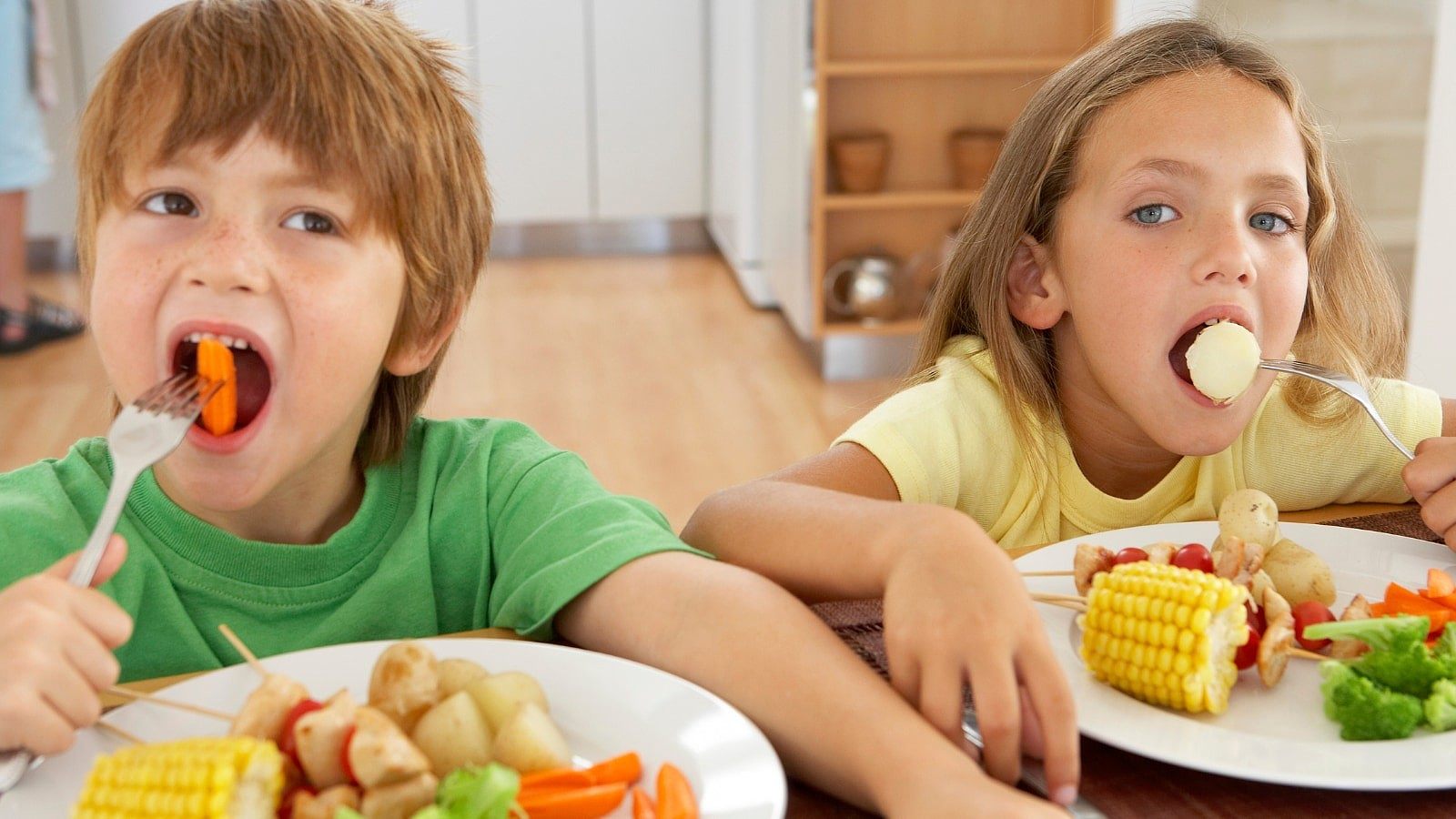
In one study, doubling the portions of corn and broccoli led preschool-aged children to eat 68 per cent more vegetables during the meal. Another trial found that adding or substituting vegetables and fruits for some higher-calorie foods also increased their consumption.
Parents can add an extra vegetable side, mix grated carrots or courgettes into sauces or offer two vegetables instead of one. This should complement visible vegetable portions rather than permanently hiding every vegetable, as children also need opportunities to recognise and accept them.
4. Make Vegetables Easy To See And Eat
Children are more likely to choose food that looks familiar, appealing and convenient. Cut vegetables into manageable pieces and present them in colourful shapes or separate sections of a plate.
Keep ready-to-eat cucumber sticks, cherry tomatoes, carrots or lightly cooked vegetables within easy reach at snack time. Research involving primary-school children found that presenting a larger quantity of vegetables in one container increased snack-time consumption by about 54 per cent.
Presentation does not need to become an elaborate art project. A colourful plate, a fun shape or a small dip may be enough to make the food more inviting.
5. Eat Vegetables Together
Children learn by watching what the adults around them repeatedly do. If parents regularly eat vegetables and appear to enjoy them, the food begins to look like a normal part of family life rather than a special rule imposed only on children.
Research reviews have consistently linked parental modelling, home availability and encouragement with greater fruit and vegetable consumption among children. Systematic review
Even the pace of a family meal may help. In a small randomised trial, children ate more fruit and vegetables when the meal lasted around 10 minutes longer than usual.
6. Let Children Explore And Help
Pressure can make mealtimes stressful and strengthen a child’s dislike of a food. Similarly, promising sweets in exchange for vegetables may unintentionally make dessert appear more desirable, and vegetables feel like a chore.
Instead, allow children to explore unfamiliar ingredients without requiring them to eat. They can wash spinach, arrange beetroot slices, shell peas, mix a salad or choose one vegetable at the market. Research has found that children may eat more of a food when they help prepare it themselves.
The goal is not to make children love every vegetable immediately. It is to create calm, repeated and positive experiences that give their preferences time to develop. If a child’s diet is extremely restricted or eating causes distress, choking, poor growth or nutritional concerns, parents should consult a paediatrician or qualified dietitian.