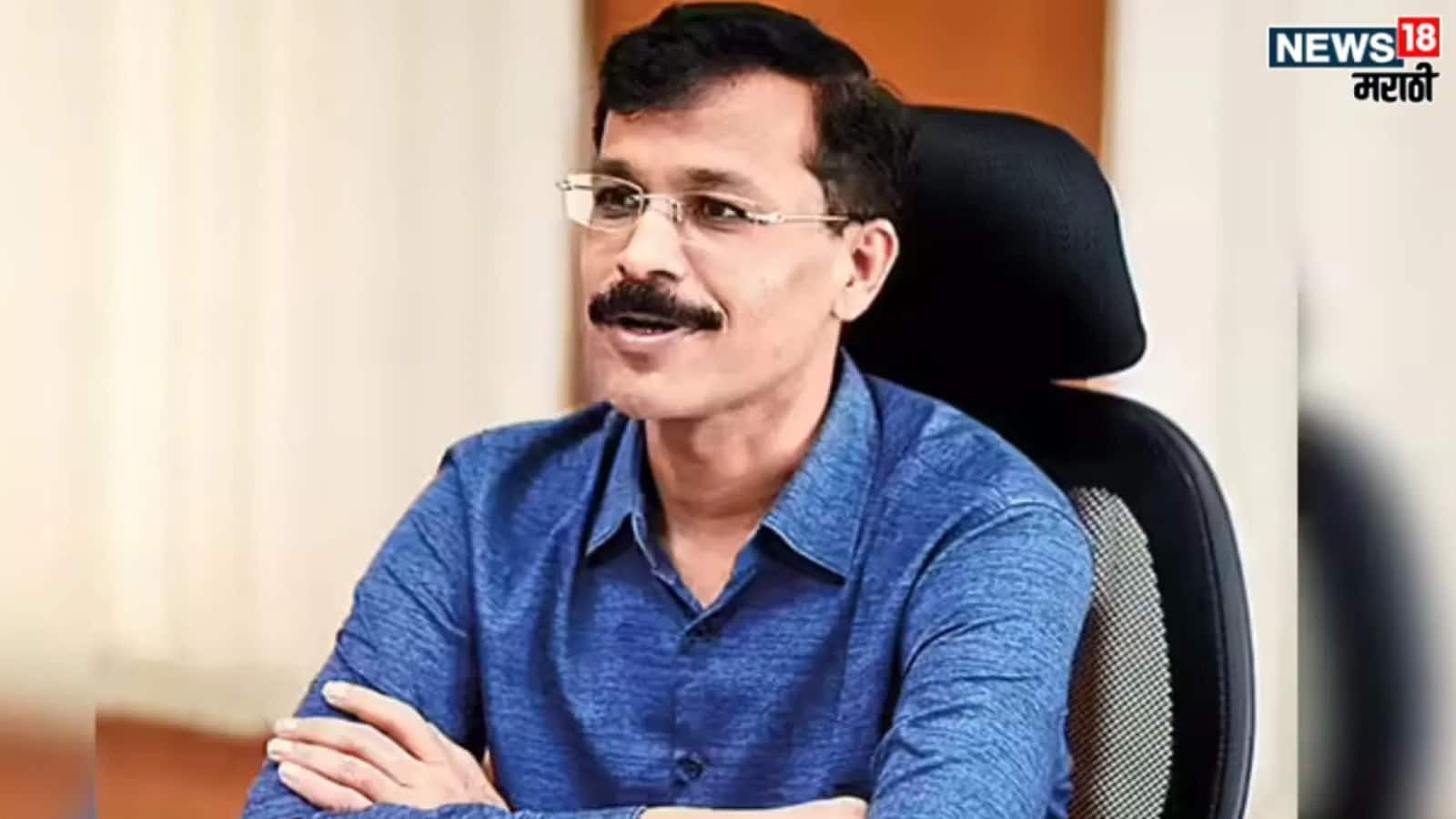
Tukaram Mundhe's A Viral Hero For His FDA Crackdown, But Which Mumbai Hotels Follow The Rules?
Maharashtra FDA commissioner Tukaram Mundhe has become an unlikely social media hero over the past few weeks, as his department’s crackdown on food safety violators — from street food stalls to some of Mumbai’s most excl
লেখক Sumedha Kirti··12K বার পড়া
Tukaram Mundhe's A Viral Hero For His FDA Crackdown, But Which Mumbai Hotels Follow The Rules?
Maharashtra FDA commissioner Tukaram Mundhe has become an unlikely social media hero over the past few weeks, as his department’s crackdown on food safety violators — from street food stalls to some of Mumbai’s most exclusive clubs — draws praise online. But for all the attention on who’s being named and shamed, it has been learnt that the FDA maintains no official list of establishments that consistently comply with food safety norms either.
The gap matters more than it might seem: last week’s enforcement drive flagged hygiene violations at some of the city’s most recognisable institutions, including the Cricket Club of India (CCI), MIG Cricket Club, Willingdon Sports Club, RK Juhu Gymkhana and Aparna Juhu Gymkhana, with a stop-business notice issued to Goregaon Sports Club. For Mumbai residents trying to figure out where’s actually safe to eat, the FDA’s naming-and-shaming approach only tells half the story.
SEE PHOTOS | ‘Singham’ Officer Tukaram Mundhe & The IAS Reformers Behind India’s Biggest Changes
Why Is Mundhe Going Viral?
The officer’s enforcement drive has found an enthusiastic audience on X. Congress leader Sheetal Ashok Mhatre posted about being unable to find her favourite Kurkure flavour, saying a shopkeeper told her supply had dried up because of “Munde” cracking down — and framed it as proof that “an honest officer” doing his job makes rule-breakers nervous.
She went further, suggesting Mundhe would make a fitting choice for Mumbai’s next BMC Commissioner, tagging Chief Minister Devendra Fadnavis and the CM’s office.
The post drew a wave of supportive replies. One user compared the moment to the movie “Gabbar Is Back,” saying India needs more officers like this across departments.
ALSO READ | Maharashtra Bans Fake Paneer: Jail, Rs 1 Lakh Fine For Violators
Another praised Mundhe’s closure of “long overdue” restaurants. A third welcomed the crackdown but expressed doubt it would last, predicting a transfer within months, while separately urging action against unregulated street food sold near schools and colleges.
@Tukaram_IndIAS is doing a great job – but will it last in Mumbai! The powers that be will have him transferred within 6 mts to some remote location. I pray that he STOPS the cheap chinese street food sold to children & youth outside our schools & colleges in Mumbai. This is… pic.twitter.com/UwLzv4vpho
— #DharamSankat #VanJeevi (@terence_fdes) August 4, 2026
Another recalled Mundhe’s earlier stint as Navi Mumbai Municipal Commissioner between May 2016 and March 2017, when the city reportedly became free of illegal hawkers and stalls — before he was transferred out.
So Does The FDA Track Who’s Compliant?
Santosh Kamble, joint commissioner (food) at Maharashtra FDA, was quoted by Mid-day as saying that no such list exists: “We do not maintain any list of restaurants, eateries, hotels or clubs that adhere to or consistently comply with FSSAI guidelines.”
The publication stated that Mundhe himself did not respond to their repeated queries on whether the department plans to introduce one.
Is A Compliance List Even Necessary?
Not everyone thinks so. Vijay Shetty, president of the Indian Hotel & Restaurant Association (AHAR), argued that since every FSSAI licence holder is already required to meet prescribed standards, a separate list isn’t essential.
What Are Hoteliers Worried About?
Others want enforcement to distinguish between violations caused by operators themselves and those stemming from outside factors.
Sampat Shetty of Hotelier Family questioned why establishments should face action over unhygienic conditions caused by neighbouring construction sites, housing societies or civic authorities, despite maintaining full compliance on their own premises.
Sunil Shetty of Udupi Hotels, Kharghar, was quoted as saying that the current framework fixes liability on the licensed premises rather than the actual source of contamination — an operator can be penalised for issues originating next door, he said, because inspections are site-based with no statutory mechanism to hold the actual defaulting party accountable.
Does A Better System Already Exist?
Subhaprada Nishtala, past president of the Association of Food Scientists and Technologists (India), Mumbai, pointed to FSSAI’s voluntary Hygiene Rating Scheme — noting Maharashtra was the first state to roll it out at scale.
She said wider adoption and public visibility of hygiene ratings could help consumers make informed choices and push food businesses to compete on safety and hygiene rather than price or popularity alone.