Solar Eclipse 2026: 12 Superstitions Associated With This Celestical Event Around The World
People around the world will witness a rare celestial event today – a solar eclipse. This happens when the Moon moves directly between the Earth and the Sun and blocks some or all of the Sun’s light from reaching the Ear
লেখক Abigail Banerji··14K বার পড়া
Solar Eclipse 2026: 12 Superstitions Associated With This Celestical Event Around The World
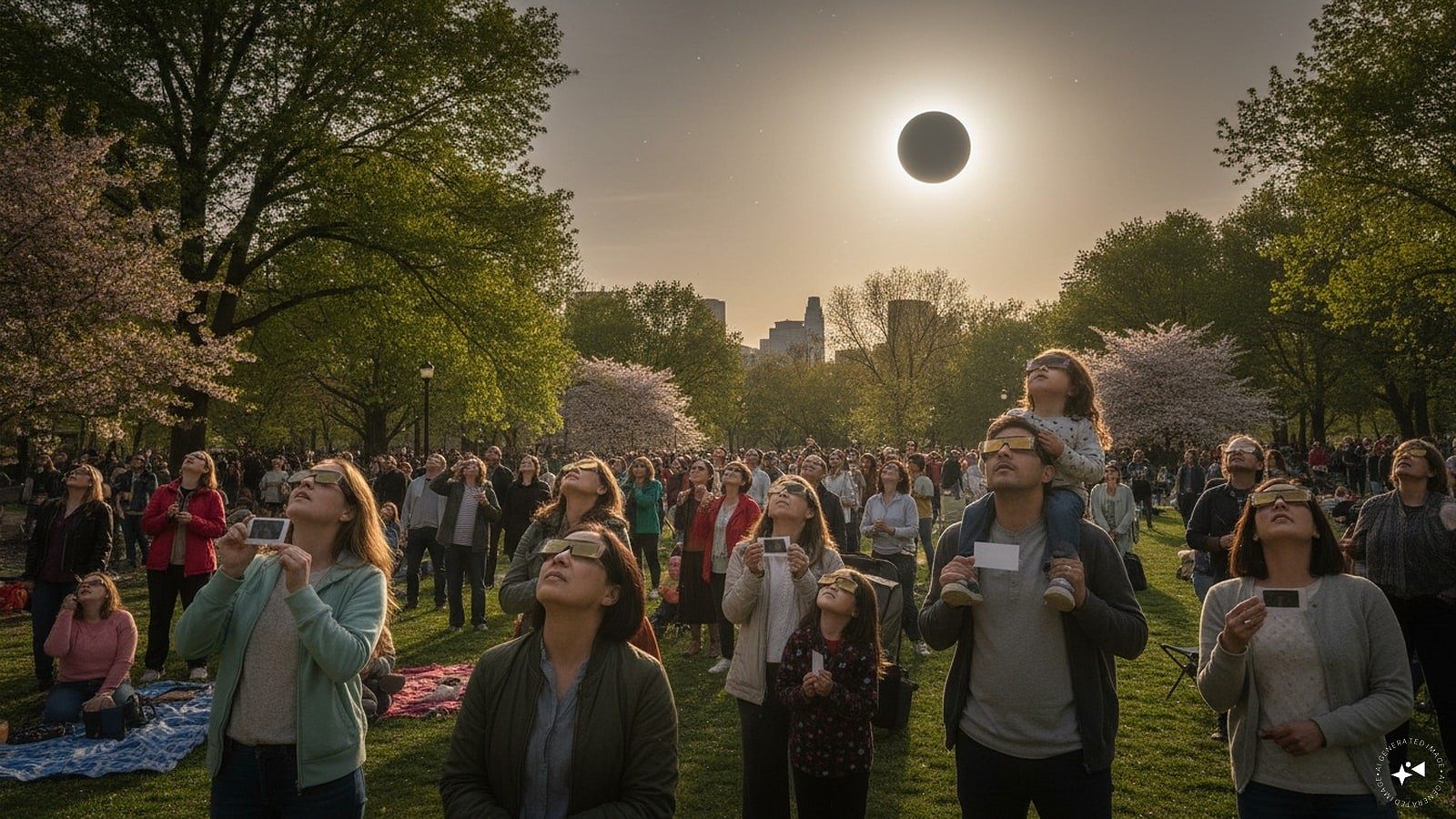
People around the world will witness a rare celestial event today – a solar eclipse. This happens when the Moon moves directly between the Earth and the Sun and blocks some or all of the Sun’s light from reaching the Earth. It casts a shadow on the planet and temporarily darkens the sky for people who are in that shadow. Today, the solar eclipse will start at 9.04 pm IST on August 12, 2026. The moon’s shadow will cover the sun for as long as two minutes and 18 seconds. Unfortunately, the solar eclipse will not be visible in India, as it will occur at night and Indians will miss out on witnessing this celestial event.
While it is a natural phenomenon, an eclipse has always been looked at with a slight hint of suspicion and fear, which has given rise to folklore and myths across the world. Over the course of time, superstitions have been debunked, but the lore still remains and continues to fascinate people. Here’s a look at the different myths and folklore that are associated with solar eclipses around the world:
1. India — Rahu and Ketu swallowing the SunIn Hindu mythology, the demon Rahu is said to swallow the Sun during an eclipse. According to the story, Rahu was caught drinking the gods’ nectar of immortality and was beheaded by Lord Vishnu. His head became Rahu and his body became Ketu. Because Rahu holds a grudge against the Sun and Moon, he periodically swallows them, causing eclipses. This mythology is also linked to traditional practices such as fasting, staying indoors and avoiding food during an eclipse in some communities.
2. China — A dragon eating the SunOne of the best-known ancient Chinese beliefs was that a celestial dragon was attacking or eating the Sun. People would reportedly make loud noises by banging drums, pots and pans to frighten the dragon away and restore the Sun.
3. Vietnam — A giant frog or toadIn some Vietnamese traditions, a giant frog or toad was believed to consume the Sun or Moon during an eclipse. Other versions of Southeast Asian mythology feature supernatural creatures swallowing the celestial bodies.
4. Indigenous North American traditions — An angry or threatened SunDifferent Indigenous cultures have their own eclipse traditions, so there is no single Native American belief. Some stories interpreted an eclipse as a period when the Sun was weakened, attacked or in need of help. Rituals could involve prayer, singing or other forms of communal response.
5. Ancient Mesopotamia — An ominous warningIn ancient Mesopotamia, eclipses were sometimes regarded as bad omens, particularly for rulers. Astronomers carefully observed the skies and developed sophisticated methods for predicting eclipses. Historical accounts suggest that elaborate rituals and even substitute kings could be used to protect a ruler from an eclipse-associated threat.
6. Ancient Greeks — The Sun abandoning the worldFor the ancient Greeks, eclipses could be interpreted as signs of divine displeasure or disruption in the natural order. The sudden darkness was sufficiently frightening that eclipses sometimes became associated with political or military omens.
7. Norse mythology — Wolves chasing the SunIn Norse mythology, the Sun is associated with Sól, who is pursued across the sky by the wolf Sköll. A solar eclipse could be interpreted through the broader idea of the wolf catching or threatening the Sun. Norse mythology also describes cosmic events involving the Sun and Moon as part of the events leading to Ragnarök.
8. Togo and Benin — The Sun and Moon fightingAmong the Batammaba people of Togo and Benin, an eclipse has traditionally been associated with the Sun and Moon fighting. The event is viewed as an opportunity for people to come together and resolve conflicts, reflecting the belief that humans should similarly put aside their differences.
9. Inuit traditions — The Sun and Moon encountering troubleSome Inuit traditions explain eclipses through stories involving the Sun and Moon, including periods when the celestial bodies temporarily disappear because of supernatural events. In certain traditions, an eclipse could prompt people to temporarily turn objects over or take precautions until the Sun returned.
10. Japan — The Sun goddess hiding awayJapanese mythology contains the famous story of Amaterasu, the Sun goddess, hiding inside a cave after becoming angry. Although this story is not itself an explanation of a solar eclipse, her disappearance from the world and the resulting darkness has often been connected to the way ancient cultures understood the frightening loss of sunlight.
11. Korea — Mythical dogs stealing the SunTraditional Korean mythology includes Bulgae, mythical fire dogs that chase or attempt to bite the Sun and Moon. When one catches the Sun, the resulting event is associated with an eclipse.
12. Central and South America — A jaguar attacking the Moon or SunAmong some Indigenous traditions in South America, celestial bodies were associated with powerful animals. In certain traditions, a jaguar attacking or biting the Sun or Moon was used to explain an eclipse, with the celestial body’s reddening interpreted as blood.