No Vada Pav Or Samosas In And Near Maharashtra Schools: What The FDA Food Ban Means For Your Child's Health
In a major move to tackle unhealthy eating among children, the Maharashtra Food and Drug Administration (FDA) has prohibited the sale, distribution and advertisement of high fat, sugar and salt (HFSS) foods inside school
লেখক Tanya Dutt··17K বার পড়া
No Vada Pav Or Samosas In And Near Maharashtra Schools: What The FDA Food Ban Means For Your Child's Health
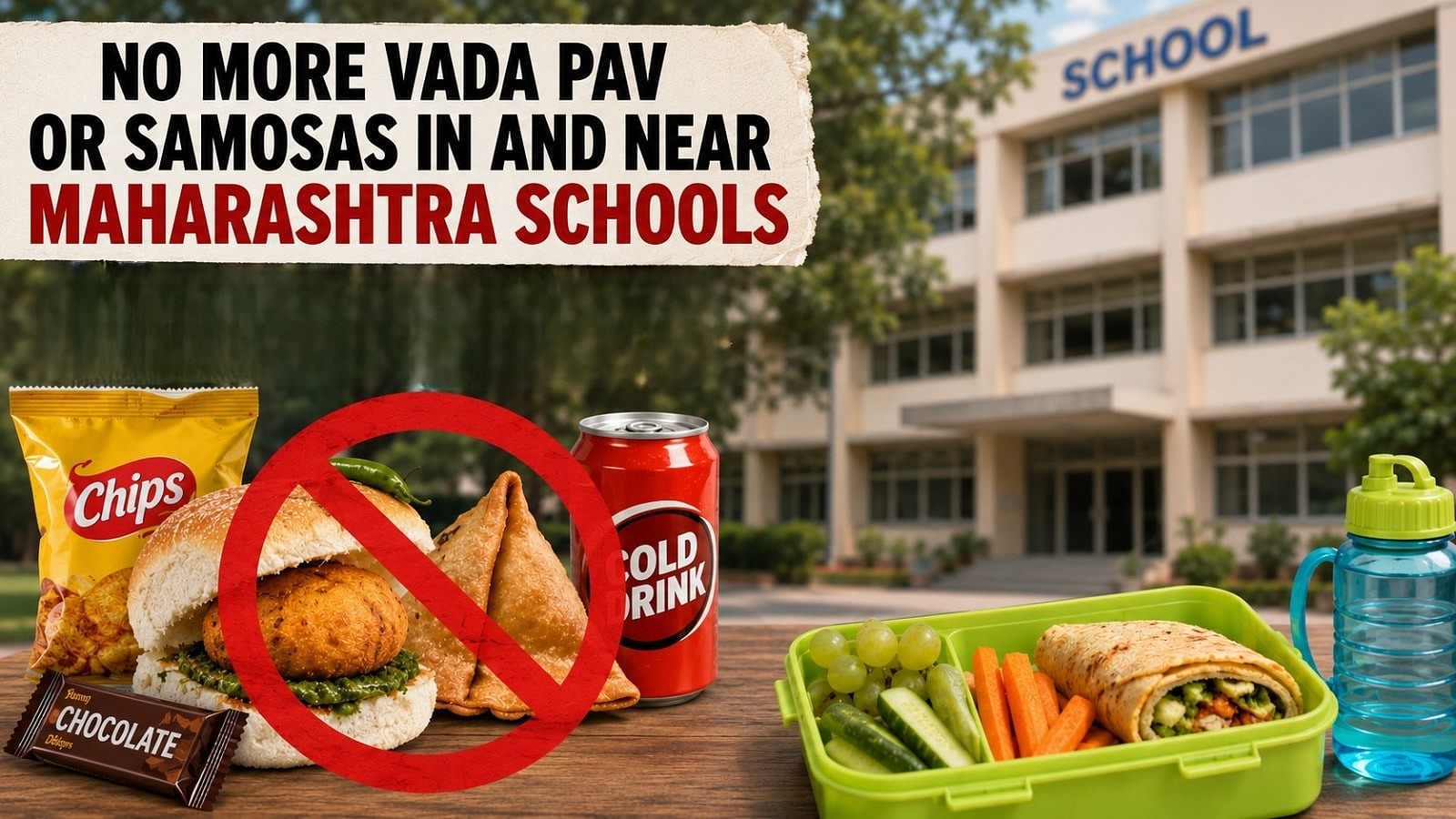
In a major move to tackle unhealthy eating among children, the Maharashtra Food and Drug Administration (FDA) has prohibited the sale, distribution and advertisement of high fat, sugar and salt (HFSS) foods inside schools and within a 50-metre radius of school premises.
The order, announced by FDA Commissioner Tukaram Mundhe, targets high-fat, sugar, and salt (HFSS) foods such as vada pav, samosas, deep-fried snacks, chips, cold drinks, sugary beverages, chocolates, and ice cream. It applies to all schools—government, private, residential, and those under any board—covering roughly 1.08 lakh institutions and nearly two crore students.
School canteens and food suppliers must now hold valid FSSAI licences, display food safety boards, appoint supervisors, and promote the “Eat Right School” campaign. Violators face licence suspension, fines, or action under the Food Safety and Standards Act.
List of Banned Foods In and Around Maharashtra Schools
The ban covers HFSS foods (High in Fat, Salt and Sugar), including their sale, free distribution, and advertising inside school premises and within a 50-metre radius.
Explicitly mentioned banned items:
Vada pav
Samosas
Deep-fried snacks / French fries
Chips and other fried snacks
Cold drinks / soft drinks
Sugary beverages / excessive sugar drinks
Chocolates
Ice cream
Biscuits (in some reports)
Ultra-processed junk foods
The order applies to all schools in Maharashtra (government, private, residential, all boards) and is aimed at protecting roughly 2 crore students. School canteens and suppliers must also hold valid FSSAI licences.
Why is Maharashtra’s HFSS food ban a significant public health step?
Foods classified as HFSS, or high in fat, sugar and salt, are typically energy-dense but nutritionally poor. They often contain excessive calories, saturated fats, added sugars and sodium while offering very little fibre, vitamins or minerals.
Public health experts say that limiting children’s exposure to these foods during school hours can help reduce impulsive purchases and normalise healthier eating habits. Schools play an important role because children spend a large portion of their day there, making the food environment a powerful influence on lifelong dietary choices.
The Maharashtra FDA’s order also makes school management responsible for enforcing the rules, signalling a stronger policy commitment towards improving child nutrition.
How Does Junk Food Ban In School Affects Your Child’s Health?
School restrictions can meaningfully lower risk, but they work best as part of a broader ecosystem. Children who cannot buy vada pav or soft drinks at or near school consume fewer calories from HFSS sources during the day and are less exposed to constant cues that normalise junk food. Evidence from similar policies shows reductions in sugary-drink intake and modest improvements in weight-related outcomes when schools also offer appealing healthy options.
Dr Datta Nirgude, Consultant Physician, Ruby Hall Clinic, Pune, believes Maharashtra’s move is an important step towards improving children’s health, but says it cannot work in isolation.
“The decision to stop the sale of junk food in and around schools is a positive move for children’s health. Since children spend a significant part of their day at school, it is one of the best places to encourage healthier eating habits. Limiting easy access to chips, sugary drinks, chocolates and other packaged snacks can reduce their consumption, particularly among younger children,” he says.
However, he stresses that children’s food choices are influenced by much more than the school environment.
“What children eat is not determined only by what is available at school. Their eating habits are shaped by the food served at home, what they watch on television, social media marketing, and even what friends and family members consume. If junk food continues to be easily available outside school or is regularly eaten at home, the impact of the ban will naturally be limited,” Dr Nirgude explains.
Regular consumption of HFSS foods can affect children’s health in multiple ways, including:
Excess weight gain and childhood obesity
Increased risk of developing type 2 diabetes later in life
Elevated blood pressure due to excess sodium intake
Higher cholesterol levels and poor heart health
Tooth decay from frequent sugary snacks and beverages
Reduced intake of essential nutrients because junk food often replaces balanced meals
Poor concentration and fluctuations in energy levels caused by blood sugar spikes and crashes
Restricting the availability of unhealthy snacks reduces easy access and frequent consumption during school hours. However, if children continue consuming sugary drinks, fried snacks and packaged foods at home or after school, the overall health impact may be limited.
According to Dr Nirgude, these dietary patterns are already contributing to a growing burden of lifestyle diseases among children in India.
“We are increasingly seeing children develop obesity, type 2 diabetes, fatty liver disease and nutritional deficiencies. Many consume foods that are high in calories but low in essential nutrients, while spending more time on screens and less time being physically active. These lifestyle changes are having a serious impact on their long-term health,” he says.
Healthy eating behaviours begin within families. Parents influence food preferences through meal choices, eating patterns and the availability of nutritious foods at home. Combining school-based restrictions with nutrition education, healthier home meals and regular physical activity is far more effective in lowering the risk of childhood obesity, insulin resistance, type 2 diabetes and cardiovascular disease.
Healthy Food Alternatives for Kids
Nutritionists recommend replacing processed snacks with wholesome, minimally processed foods that children genuinely enjoy.
Some healthier alternatives include:
Fresh seasonal fruits
Sprouts and chaat made with pulses
Roasted chana or peanuts
Homemade vegetable sandwiches
Whole wheat or millet wraps
Idli, dhokla and poha
Unsweetened yoghurt with fruit
Coconut water, buttermilk and fresh lemonade without excess sugar
Schools can also make nutritious foods more appealing by offering colourful menus, involving children in food education activities and ensuring healthy options are both affordable and easily available.
Dr Nirgude says lasting change will depend on schools and families working together rather than relying solely on restrictions.
“For this ban to deliver long-term benefits, schools must go beyond restricting unhealthy foods. Nutrition education, healthier canteen choices, regular sports and physical activity, and involving parents in promoting balanced diets are equally important. When schools and families work together, children are more likely to develop healthy eating habits because they understand their value, not simply because they are following a rule,” he concludes.