Navratri 2026: 9 Forms Of Maa Durga, Names And Their Significance
Navratri 2026: From Maa Shailaputri, the embodiment of strength and stability, to Maa Siddhidatri, associated with spiritual attainment, the nine forms of Goddess Durga hold a central place in Navratri worship. Collectiv
লেখক Nibandh Vinod··22K বার পড়া
Navratri 2026: 9 Forms Of Maa Durga, Names And Their Significance
Navratri 2026: From Maa Shailaputri, the embodiment of strength and stability, to Maa Siddhidatri, associated with spiritual attainment, the nine forms of Goddess Durga hold a central place in Navratri worship. Collectively known as Navdurga, these manifestations are traditionally worshipped across the nine days of the festival.
This year, Shardiya Navratri will be celebrated from October 11 to October 19, 2026, with devotees observing rituals and worshipping a different form of Maa Durga on each day.
Each form has a distinct name, appearance, mythology and symbolism, reflecting different aspects of Goddess Shakti. The commonly followed sequence begins with Shailaputri and moves through Brahmacharini, Chandraghanta, Kushmanda, Skandamata, Katyayani, Kalaratri and Mahagauri before concluding with Siddhidatri.
Here is the complete guide to the nine forms of Maa Durga, their names, significance and traditional symbolism.
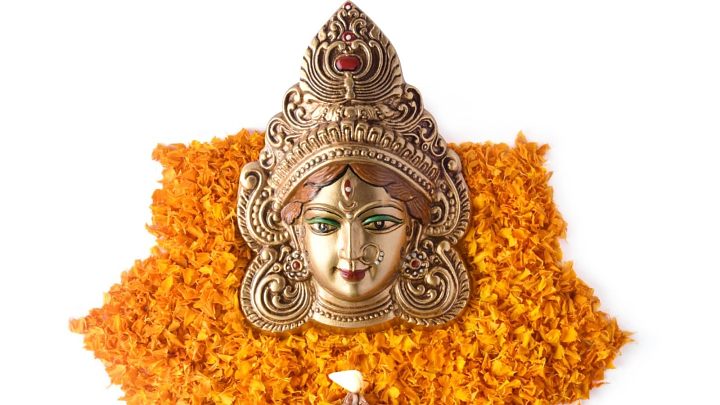
Nine Forms Of Maa Durga Is worshipped During Navratri. (Image: Shutterstock)
Maa Shailaputri: Day 1
Maa Shailaputri is worshipped on the first day of Navratri. Her name comes from the Sanskrit words Shaila, meaning mountain, and Putri, meaning daughter. She is traditionally described as the daughter of the Himalayas.
According to the Navdurga tradition, Shailaputri represents an important aspect of Goddess Parvati and is associated with strength, stability and the grounding aspect of Shakti. Drik Panchang describes her as the first form of Navdurga and identifies her with the daughter of the mountain.
Maa Shailaputri’s symbolism
Maa Shailaputri is traditionally depicted riding a bull and carrying a trident (trishul) and lotus. The bull and her association with the mountains are often interpreted in devotional traditions as symbols of strength, steadiness and determination.
Devotees worship Shailaputri on Pratipada, the first day of Navratri.
Read More: Durga Puja 2026 Calendar: Dates, Schedule, Sandhi Puja Time And Significance
Maa Brahmacharini: Day 2
Maa Brahmacharini is worshipped on the second day of Navratri. Her name is associated with the practice of Brahmacharya and spiritual discipline.
In the Navdurga tradition, Brahmacharini represents the ascetic aspect of Goddess Parvati. Her form is associated with penance, devotion, discipline and spiritual determination. Drik Panchang describes her as the unmarried form of Goddess Parvati associated with austerity.
Maa Brahmacharini’s symbolism
She is traditionally shown walking barefoot and carrying a japa mala in one hand and a kamandalu, or water pot, in the other.
Her simple appearance distinguishes her from some of the more warrior-like forms of Durga and reflects the traditional association with meditation, austerity and perseverance.
Maa Brahmacharini is worshipped on Dwitiya, the second day of Navratri.
Read More: When Is Dussehra 2026: Date, Time, Significance And Vijayadashami Muhurat
Maa Chandraghanta: Day 3
Maa Chandraghanta is the third form of Navdurga and is worshipped on the third day of Navratri.
Her name is associated with the crescent moon shaped like a bell on her forehead. In traditional accounts, Chandraghanta represents a powerful form of the Goddess and is associated with courage and protection.
Drik Panchang describes Chandraghanta as the married form of Goddess Parvati and connects the name with the crescent moon adorning her forehead.
Maa Chandraghanta’s symbolism
Chandraghanta is traditionally depicted with multiple arms carrying weapons and other attributes. She is commonly shown riding a tiger or lion, depending on the artistic and regional tradition.
Her iconography emphasizes courage, strength and protection, making her an important form of the Goddess for devotees seeking inner confidence and spiritual strength.
She is worshipped on Tritiya, the third day of Navratri.
Read More: When Is Mahalaya 2026? Date, City-wise Timings, Significance And Rituals
Maa Kushmanda: Day 4
Maa Kushmanda is worshipped on the fourth day of Navratri. Her name is traditionally interpreted in connection with cosmic creation and the Goddess’s radiant energy.
Drik Panchang associates Kushmanda with the cosmic form of Goddess Parvati and describes her connection with the Sun and its energy.
Maa Kushmanda’s symbolism
Kushmanda is traditionally depicted with eight arms, which is why she is also known as Ashtabhuja Devi. Her hands are shown holding various divine objects and weapons.
She is commonly depicted riding a lion, symbolising strength and divine power.
Her form is associated in devotional traditions with creative energy, vitality and radiance.
Maa Kushmanda is worshipped on Chaturthi, the fourth day of Navratri.
Maa Skandamata: Day 5
Maa Skandamata is worshipped on the fifth day of Navratri. Her name refers to her role as the mother of Skanda, another name for Lord Kartikeya.
Her form highlights the maternal aspect of Goddess Shakti. She is traditionally associated with motherhood, compassion, protection and nurturing.
Drik Panchang identifies Skandamata as the form of Goddess Parvati associated with motherhood after the birth of Lord Skanda.
Read More: Mahalaya 2026: When And Where To Listen To Mahishasura Mardini Live
Maa Skandamata’s symbolism
She is traditionally depicted seated on a lotus, which has given rise to the name Padmasana. In many representations, she holds baby Skanda on her lap.
Her lotus association and maternal form are central elements of her iconography.
Maa Skandamata is worshipped on Panchami, the fifth day of Navratri.
Maa Katyayani: Day 6
Maa Katyayani is the sixth form of Navdurga and is worshipped on the sixth day of Navratri.
She is widely regarded as a warrior form of Goddess Durga. In traditional accounts, Katyayani is associated with the destruction of the demon Mahishasura and the triumph of divine power over evil.
Drik Panchang describes Katyayani as a form of Goddess Parvati taken to destroy Mahishasura and identifies her as the warrior Goddess.
Maa Katyayani’s symbolism
Katyayani is traditionally depicted riding a lion and carrying weapons associated with her warrior form. Her iconography represents courage, power and the protection of dharma.
The precise number of arms and the objects shown in them can differ between artistic traditions, so representations should not be treated as a single universal iconographic template.
Maa Katyayani is worshipped on Shashthi, the sixth day of Navratri.
Maa Kalaratri: Day 7
Maa Kalaratri is worshipped on the seventh day of Navratri and is traditionally regarded as one of the most fierce manifestations of Goddess Durga.
Her name combines Kala, associated with time or darkness, and Ratri, meaning night. In devotional traditions, Kalaratri represents the Goddess’s fierce power against darkness, fear and destructive forces.
Drik Panchang describes Kalaratri as the fierce and ferocious form of Goddess Parvati.
Maa Kalaratri’s symbolism
Kalaratri is traditionally shown with a dark complexion, dishevelled hair and four arms. She is commonly depicted riding a donkey.
Despite her fierce appearance, she is also known by the name Shubhankari, reflecting her auspicious and protective nature for devotees.
Her form is therefore understood not simply as destructive but as a representation of the Goddess’s power to overcome fear and negative forces.
Maa Kalaratri is worshipped on Saptami, the seventh day of Navratri.
Maa Mahagauri: Day 8
Maa Mahagauri is worshipped on the eighth day of Navratri. Her name means extremely fair or radiant, and the form is traditionally associated with purity, calmness and spiritual cleansing.
Drik Panchang describes Mahagauri as the eighth form of Navdurga and links her with the fair, radiant form of Goddess Parvati.
Maa Mahagauri’s symbolism
Mahagauri is traditionally depicted wearing white clothes and riding a white bull. She is commonly shown carrying a trident and damaru, along with other attributes depending on the depiction.
The colour white and her serene appearance are traditionally associated with purity, peace and tranquillity.
Maa Mahagauri is worshipped on Ashtami, the eighth day of Navratri.
Maa Siddhidatri: Day 9
Maa Siddhidatri is worshipped on the ninth and final day of Navratri.
Her name is derived from Siddhi, meaning spiritual accomplishment or attainment, and Datri, meaning giver. She is therefore traditionally understood as the Goddess who grants siddhis or spiritual attainments.
Drik Panchang identifies Siddhidatri as the ninth form of Navdurga and states that she is worshipped on the ninth day of Navratri.
Maa Siddhidatri’s symbolism
Siddhidatri is commonly depicted seated on a lotus. Traditional representations show her holding a chakra, gada, shankha and lotus.
Her form represents the culmination of the Navdurga sequence and is associated with spiritual attainment, completeness and divine grace.
Maa Siddhidatri is worshipped on Navami, the ninth day of Navratri.
Navratri 2026: 9 Forms of Maa Durga at a Glance
Day 1 Maa Shailaputri: Strength and stability
Day 2 Maa Brahmacharini: Penance and devotion
Day 3 Maa Chandraghanta: Courage and protection
Day 4 Maa Kushmanda: Cosmic energy and creation
Day 5 Maa Skandamata: Motherhood and compassion
Day 6 Maa Katyayani: Courage and warrior power
Day 7 Maa Kalaratri: Protection from darkness and fear
Day 8 Maa Mahagauri: Purity and peace
Day 9 Maa Siddhidatri: Spiritual attainment and grace
Why are Nine Forms of Durga Worshipped During Navratri?
The nine forms, collectively called Navdurga, provide the traditional framework for worship across the nine days of Navratri in many Hindu traditions.
The sequence moves through distinct manifestations of Goddess Shakti, from Shailaputri on the first day to Siddhidatri on the ninth. Devotional interpretations associate the forms with qualities such as discipline, courage, maternal compassion, protection, purity and spiritual attainment.
The worship of Navdurga is therefore not simply a list of nine names. Each form has its own mythology, iconography and devotional significance.
The Significance of Navdurga
The nine forms of Maa Durga are among the central devotional elements of Sharad Navratri. Devotees worship different aspects of Shakti, including strength, austerity, courage, motherhood, protection, purity and spiritual accomplishment.