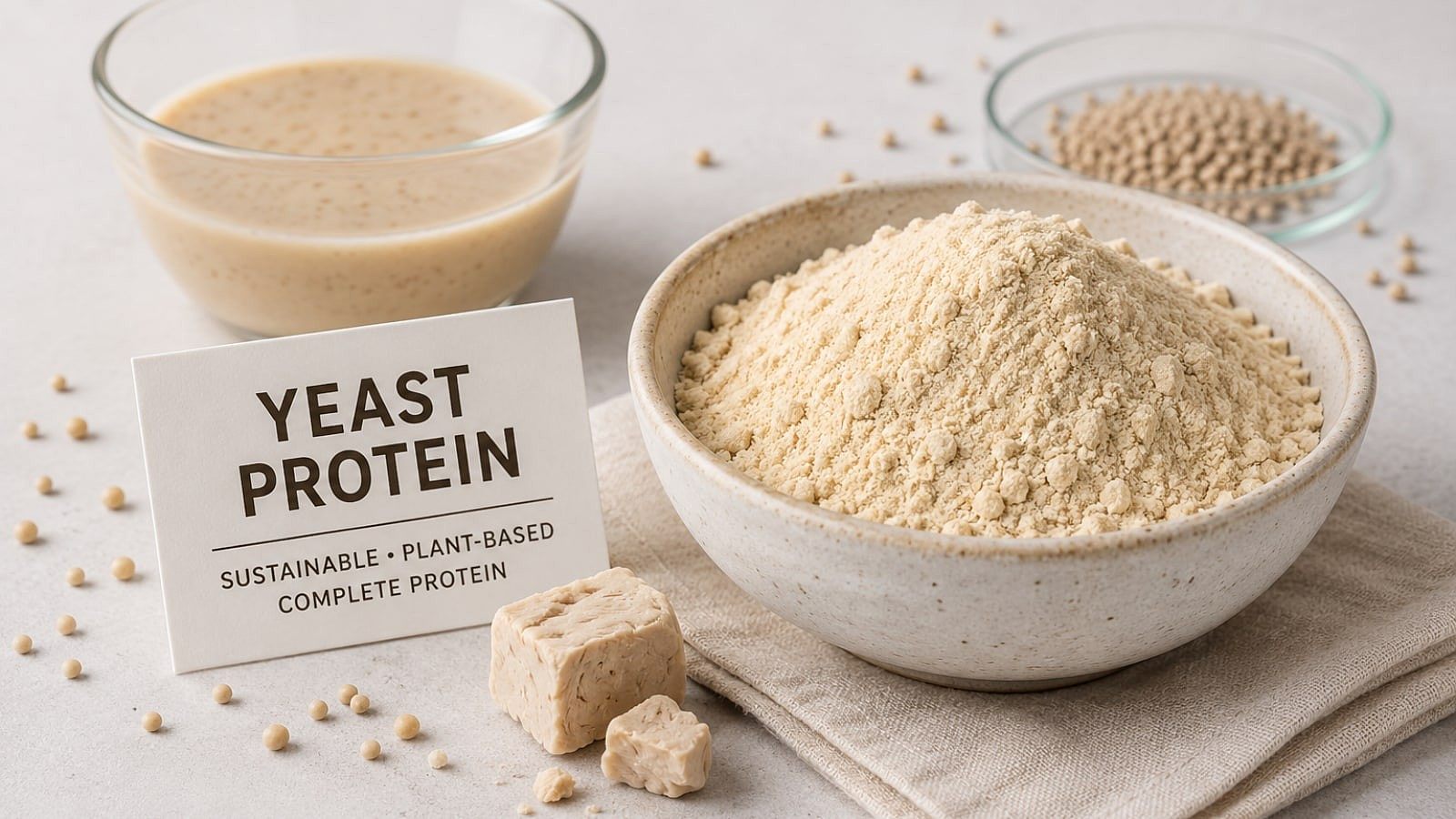
National Nutrition Week: Could Yeast Protein Change How We Add Protein To Everyday Diets?
As Nutrition Week puts the spotlight on healthier eating and better nutrition, one conversation is increasingly moving beyond the gym: how can people make protein a more natural part of their everyday diets?
লেখক Swati Chaturvedi··18K বার পড়া
National Nutrition Week: Could Yeast Protein Change How We Add Protein To Everyday Diets?
As Nutrition Week puts the spotlight on healthier eating and better nutrition, one conversation is increasingly moving beyond the gym: how can people make protein a more natural part of their everyday diets?
For years, protein has largely been associated with athletes, bodybuilders and post-workout shaker bottles. But as consumers become more conscious of their overall nutrition, the category is evolving. The focus is no longer simply on consuming more protein, it is also about finding ways to incorporate it into everyday food and routines.
From traditional dairy and plant-based sources to newer ingredients created through fermentation, food innovation is opening up new possibilities. One category beginning to attract attention is yeast-derived protein, which is being explored for its potential to move beyond conventional powders and into foods people already consume.
From rotis and snacks to savoury drinks and desserts, could the future of protein be less about adding another supplement to our routines and more about improving the foods already on our plates?
An Ancient Process Meets Modern Nutrition
Fermentation may sound like cutting-edge food technology, but the process itself has been part of how people have prepared and consumed food for centuries.
In India, fermented foods and preparations are already deeply familiar. From curd and dosa batter to a wide range of regional foods, fermentation has long played a role in everyday diets.
Today, advances in food science are exploring how microorganisms such as yeast can be used to develop new protein ingredients.
“For us, what makes yeast protein so interesting is that the science behind it is actually very familiar,” say Meghana Narayan and Shauravi Malik, co-founders of Wholsum Foods, the company behind Slurrp Farm and Mille.
They believe the larger opportunity lies in making protein easier to incorporate into formats that already feel familiar to Indian consumers.
That distinction could matter. While awareness around protein has grown significantly, many people still associate protein products primarily with fitness and sports nutrition. The next phase of the category could focus on making protein a more seamless part of everyday eating.
Moving Beyond The Protein Shake
One of the biggest changes in the nutrition industry is the growing demand for protein formats that fit easily into everyday life.
“Fermentation lets us move protein out of gym shakers and straight onto the centre of your plate,” says Nikunj Biyani, founder of SuperYou.
The idea is simple: instead of asking consumers to dramatically change their diets, food companies are exploring ways to incorporate protein into familiar formats.
Depending on the formulation and ingredient, protein can potentially be added to foods such as baked products, snacks, rotis and desserts. This could make it easier for consumers to increase their protein intake without necessarily relying exclusively on shakes or supplements.
This is particularly relevant in India, where food habits are incredibly diverse and nutrition does not always follow the familiar Western model of protein bars and ready-to-drink shakes. Narayan and Malik also see potential in savoury formats.
“Protein does not have to be confined to a shake,” they say, highlighting the opportunity to develop products that fit more naturally into how people in India already eat and drink.
Why Are Consumers Looking Beyond Traditional Protein?
Whey has long been one of the most familiar protein options, particularly among fitness-focused consumers. However, growing interest in dairy-free, plant-based and alternative protein sources is expanding the conversation.
Manish Chauhan, co-founder, Arboreal Bioinnovations, believes yeast protein is increasingly moving beyond being viewed simply as an alternative.
“What excites me most about yeast protein is how quickly it is moving from being an alternative to becoming a mainstream protein choice,” he says.
For companies exploring the category, potential advantages include versatility and the possibility of developing products suited to a wider range of food formats.
However, consumers should also remember that nutritional qualities can differ depending on the specific ingredient and final product. Claims around digestibility, gut health and other health benefits should be considered in the context of the specific formulation and available scientific evidence.
The Everyday Food Opportunity
Perhaps the most interesting question around yeast protein is not whether it can compete with traditional protein powders.
It is whether consumers will eventually stop thinking about protein as a separate category altogether.
Imagine protein being incorporated into atta used for rotis, familiar savoury drinks, snacks or desserts. Instead of creating entirely new eating habits, the focus could be on making existing foods work harder nutritionally.
This is where food innovation could become particularly interesting.
For protein ingredients to move into a wider range of everyday foods, factors such as taste, texture and stability during cooking are crucial. An ingredient that works only in a cold beverage has very different possibilities from one that can be incorporated into cooked foods.
For companies working with fermentation-derived proteins, this versatility could open doors to new formats that move beyond the traditional protein shake.
From Fitness To Everyday Wellness
The growing interest in alternative protein sources also reflects a broader shift in consumer attitudes towards nutrition.
Protein is increasingly being discussed as part of everyday wellness rather than solely in relation to muscle building and athletic performance.
Consumers are looking more closely at their overall diets and searching for convenient ways to incorporate nutrition into busy lifestyles. This creates opportunities not only in sports nutrition but also in functional foods, snacks and everyday packaged products.
Chauhan believes food and specialised nutrition could be among the areas where the category continues to grow.
But as with any emerging food trend, innovation alone will not guarantee mainstream success.
Taste, affordability and accessibility will ultimately determine whether consumers are willing to make these products part of their regular diets.
Can Yeast Protein Go Mainstream?
Yeast-derived protein remains an emerging category, and its future will depend on several factors, from consumer awareness and pricing to taste and the ability to fit naturally into everyday diets.
But its growing presence reflects a larger change in the way we think about protein.
The future of nutrition may not be defined solely by another supplement powder or post-workout drink. Instead, innovation could increasingly focus on helping people get more protein through foods they already know and enjoy.
From rotis and snacks to savoury beverages and desserts, the next chapter of protein innovation may be less about asking people to add something extra to their diets.
A Nutrition Week Question For The Future
As Nutrition Week puts the spotlight on what we eat and how we nourish ourselves, the conversation around protein is likely to keep evolving.
Yeast-derived protein may still be finding its place in the mainstream market, but the growing interest in fermentation-based food innovation points towards an important shift: consumers increasingly want nutrition to fit into their lives rather than forcing their lives to fit around specialised nutrition products.
The real question may not be whether people will replace their protein shakes.
It may be whether, in the years ahead, protein quietly becomes a more natural part of the foods already sitting on the everyday plate.