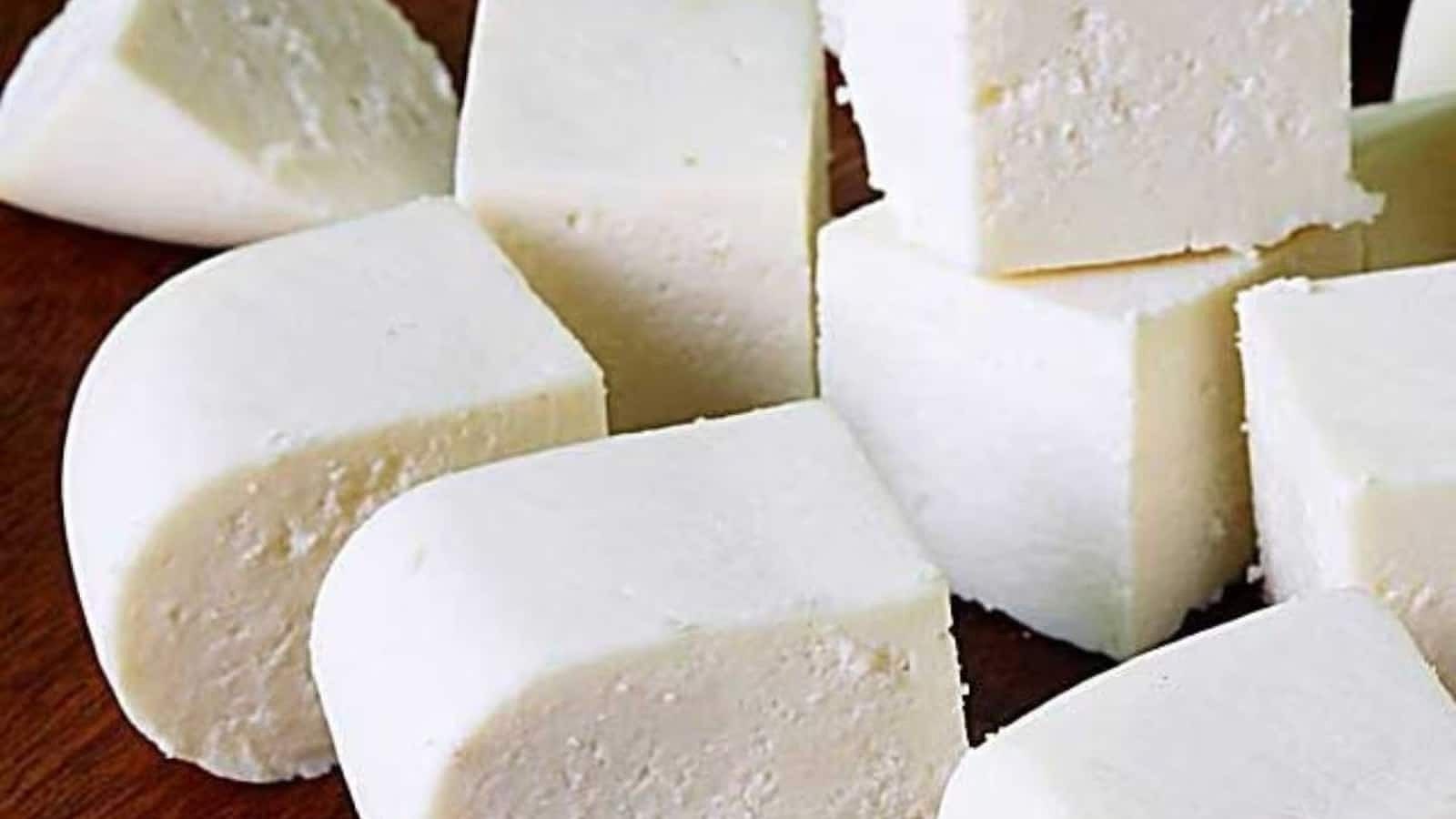
Make Soft, Fresh Paneer At Home With This Simple Method
Paneer is one of those ingredients that can find its way into almost any Indian meal. From rich shahi paneer and matar paneer to spicy kadhai paneer and smoky paneer tikka, getting the texture right can make all the diff
লেখক Lifestyle Desk··30K বার পড়া
Make Soft, Fresh Paneer At Home With This Simple Method
Paneer is one of those ingredients that can find its way into almost any Indian meal. From rich shahi paneer and matar paneer to spicy kadhai paneer and smoky paneer tikka, getting the texture right can make all the difference to the final dish.
While packaged paneer is convenient, making it at home gives you control over the ingredients and freshness. And if you have milk that has already begun to curdle, you may even be able to turn it into paneer instead of immediately throwing it away—provided the milk has not spoiled or developed an unpleasant smell.
The process is surprisingly straightforward. All you need is milk, an acidic ingredient and a little patience to get soft, neatly set paneer.
Ingredients You Will Need
For homemade paneer, take 2 litres of full-fat milk, 2-3 tablespoons of lemon juice or white vinegar, about 1 cup water and a clean muslin or cotton cloth.
Full-fat milk is preferable as its higher fat content generally gives paneer a richer taste and softer texture.
Step 1: Bring The Milk To A Boil
Pour the milk into a deep, heavy-bottomed pan and heat it over medium flame. Stir occasionally, particularly near the bottom, to prevent scorching.
Once the milk comes to a proper boil, reduce the heat. You are now ready to curdle it.
Step 2: Add Lemon Juice Or Vinegar Gradually
Dilute the lemon juice or vinegar with a little water. Instead of pouring everything into the milk at once, add the acidic mixture gradually while stirring gently.
The milk will begin separating into white curds and a pale greenish-yellow liquid known as whey. Once the separation is clear, stop adding acid—you may not need the entire quantity.
Turn off the heat as soon as the milk has curdled properly. Continuing to cook the curds unnecessarily can contribute to firmer, chewier paneer.
Step 3: Strain And Rinse The Curds
Place a clean muslin or cotton cloth over a large strainer or bowl and carefully pour the curdled milk through it.
The curds will remain in the cloth while the whey drains away. Rinse the curds gently under clean, cool water. This helps remove the lingering acidic taste of lemon juice or vinegar and also stops further cooking from residual heat.
Step 4: Don’t Squeeze It Too Hard
Bring together the edges of the cloth and gently press out excess liquid. Avoid aggressively squeezing the paneer, as removing too much moisture can result in a dry or firm texture.
Tie the cloth and allow it to drain for around 20-30 minutes.
Step 5: Press The Paneer To Set It
Once most of the whey has drained, place the wrapped paneer on a flat plate or board. Flatten it into the shape and thickness you want before placing another plate or a moderate weight on top.
Leave it under pressure for around one to two hours, depending on how firmly you want it to set. The goal is to make the paneer firm enough to slice without pressing out so much moisture that it becomes hard.
Once set, unwrap and cut it into cubes or slices.
How To Keep Homemade Paneer Soft
A few small details can make a noticeable difference. Start with good-quality full-fat milk, use only as much acid as necessary to separate the curds and whey, and stop heating once curdling is complete.
Rinsing the curds after straining is another useful step, especially when using vinegar or lemon juice. Most importantly, don’t over-press the paneer. More pressure and a longer pressing time will generally produce a firmer block, which may not be ideal if you want soft paneer for curries.
If the paneer has become slightly firm after refrigeration, soaking the cubes briefly in warm—not boiling—water before adding them to a dish can help soften their texture.
Don’t Throw Away The Whey
The pale liquid left behind after straining does not necessarily have to go down the drain. Paneer whey can be used while kneading atta, cooking dals or preparing soups and gravies, adding another useful element to the homemade process.