As Sai Pallavi's Ramayana Look Sparks The 'Pretty Enough' Debate, Here's How She Rewrote The Rules Of Beauty
“Beauty isn’t in hiding who you are. It’s about owning your story.” — Sai Pallavi.
লেখক Labani Mahanandy··10K বার পড়া
As Sai Pallavi's Ramayana Look Sparks The 'Pretty Enough' Debate, Here's How She Rewrote The Rules Of Beauty
“Beauty isn’t in hiding who you are. It’s about owning your story.” — Sai Pallavi.
For someone whose face has been dissected almost as much as her performances, it’s a philosophy that feels radical.
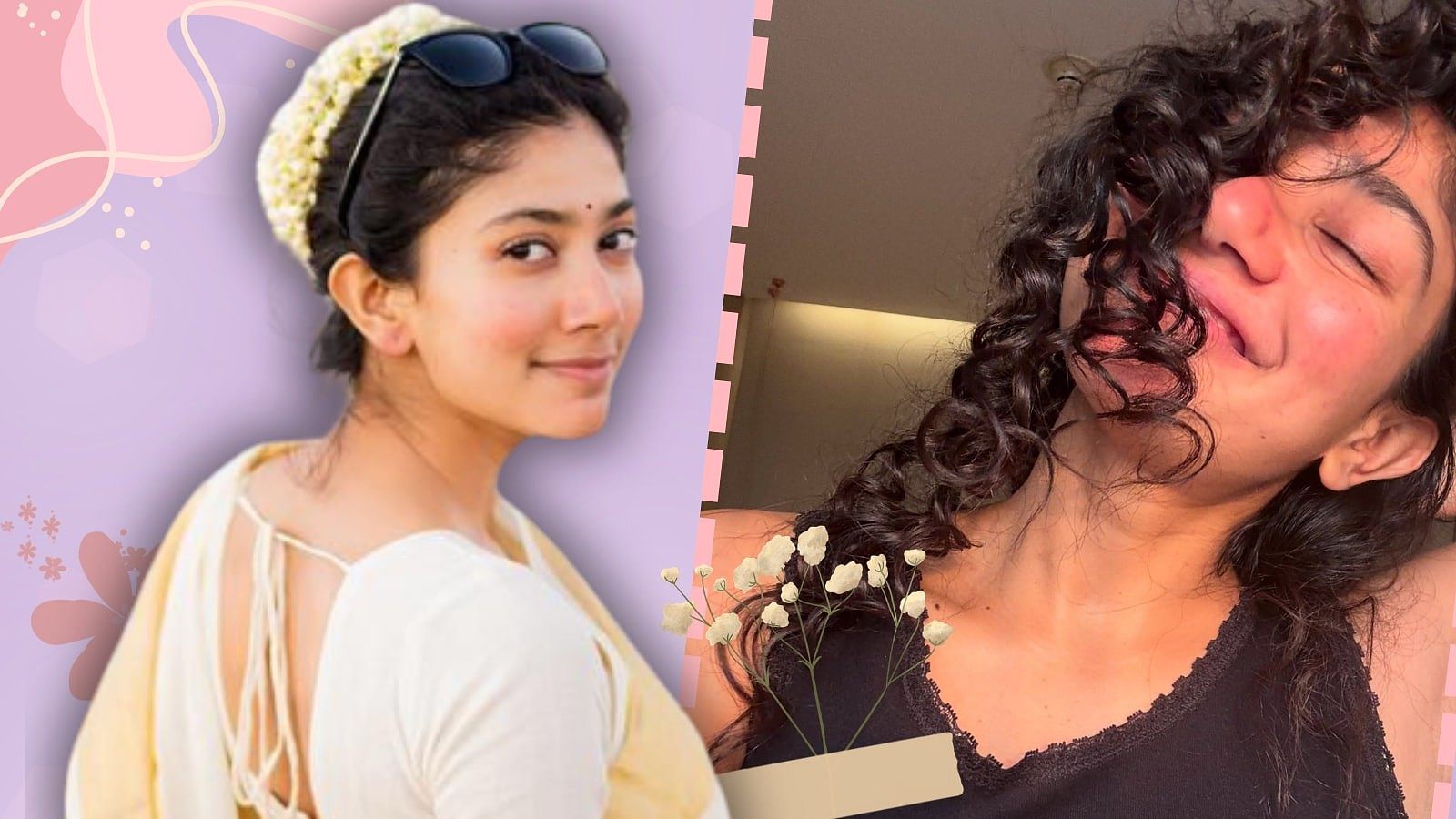
The actor has once again found herself at the centre of conversations around her appearance after the first look of her as Sita in Ramayana sparked mixed reactions online. While many welcomed the casting, others questioned whether she looked “beautiful enough” to embody one of mythology’s most revered women.
(IMAGE: INSTAGRAM/saipallavi.senthamarai)
An Old Conversation, Dressed Up As A New One
For decades, women have been expected to fit beauty standards that are often impossible to live up to. And when it comes to showbiz, those expectations only become harsher. Every photograph is dissected. Every pore becomes a point of discussion. Every face, somehow, remains open to public review.
Sai Pallavi knows that scrutiny all too well. But unlike many who have spent years trying to mould themselves into the industry’s idea of beauty, she eventually chose something far more difficult—acceptance.
When Beauty Felt Like Something To Fix
Long before ‘Premam’ made her a household name, she was, by her own admission, deeply insecure.
“I was a very insecure person. I had a lot of doubts about everything—my voice, the way I look, my acne, all of that,” she told Film Companion.
Like countless young women, she searched for solutions. Cream after cream promised clearer skin, and like many of us, she hoped one of them would finally work. The pursuit wasn’t really about acne. It was about belonging to a beauty culture that quietly convinced an entire generation that flawless skin was the entry ticket to confidence.
Speaking to Brut India, Sai Pallavi reflected on what beauty had come to mean for her. “Beauty isn’t in hiding who you are. It’s about owning your story.”
(IMAGE: INSTAGRAM/saipallavi.senthamarai)
When Actions Spoke Louder Than Words
And she didn’t just talk about embracing natural beauty—she built a career around it. That shift in perspective didn’t just influence her skincare routine. It shaped the way she chose to navigate an industry built on appearances.
Over the years, she has become synonymous with minimal makeup, visible skin texture and an unapologetically natural appearance, both on and off screen. In 2019, she reportedly turned down a Rs 2 crore fairness cream endorsement, explaining that she didn’t believe in promoting beauty products and that confidence shouldn’t come from changing your skin colour. In an industry where appearance is often treated as currency, authenticity became her quiet form of rebellion.
(IMAGE: INSTAGRAM/saipallavi.senthamarai)
Maybe Beauty Needed a New Definition All Along
The conversation surrounding Sai Pallavi today isn’t really about whether she looks like Sita.
It’s about something much older than one film.
We’ve spent decades telling women to embrace themselves while simultaneously rewarding them for looking impossibly polished. We celebrate authenticity, but often only when it fits comfortably within conventional ideas of beauty.
Sai Pallavi has never claimed confidence came easily. In fact, she’s been remarkably candid about how deeply acne affected her self-esteem. What changed wasn’t her skin overnight. It was the relationship she built with it.
Perhaps that’s why her story continues to resonate. Not because she challenged beauty standards with grand declarations, but because she quietly refused to let them define the way she showed up in the world.
In an era of beauty filters, AI retouching and poreless skin becoming the norm online, that quiet act of showing up as yourself feels more radical than ever. Because maybe beautiful skin was never meant to be flawless.