India's New Scotch Whisky Trade Dispute With UK: Will Your Favourite Brands Get Costlier?
A dispute over import duties on bulk Scotch whisky has emerged as the first major trade issue between India and the United Kingdom since their free trade agreement (FTA) came into effect in July this year. An Indian inve
مصنف Shuddhanta Patra··92K بار پڑھا
India's New Scotch Whisky Trade Dispute With UK: Will Your Favourite Brands Get Costlier?
A dispute over import duties on bulk Scotch whisky has emerged as the first major trade issue between India and the United Kingdom since their free trade agreement (FTA) came into effect in July this year. An Indian investigation into bulk Scotch imports has raised concerns among liquor companies, putting a key benefit of the trade pact under scrutiny.
The dispute could affect Indian-made blended whisky brands that use imported Scotch, rather than necessarily affecting imported bottled single malts. It centres on whether bulk Scotch brought into India for blending and bottling qualifies for the reduced customs duty agreed under the trade deal.
The Indian government is currently treating these imports as ineligible for the lower rate, potentially keeping the duty at 150% instead of reducing it to 75%.
What Does The India-UK Trade Deal Say About Whisky?
Whisky tariffs were among the key issues during the prolonged negotiations between India and the UK before the agreement came into force on July 15.
Under the trade pact, India agreed to reduce import duties on certain Scotch whisky imports from 150% to 75% immediately, with a further reduction to 40% over the next 10 years.
The British government had said that iconic UK products, including whisky and gin, would benefit from the changes. However, the Indian government’s position is that the reduced duty applies to Scotch bottled in the UK, while bulk Scotch imported for blending and bottling in India remains subject to the earlier 150% tariff.
Although state-level taxes and other levies in India remain high and differ across the country, the duty reduction was expected to offer some relief on imported whisky.
Why Is India Questioning Bulk Scotch Imports?
According to a Reuters report, the Indian government has privately disputed the classification of bulk Scotch imports with companies including Diageo, Pernod Ricard, Radico Khaitan and Allied Blenders and Distillers.
Indian officials argue that bulk Scotch does not qualify for the reduced duty, even though the trade pact’s tariff schedule also covers Scotch imported in bulk.
Tax officials have reportedly maintained that a new customs classification introduced earlier this year, covering compound alcoholic preparations used to manufacture beverages, applies to these imports. This classification attracts the earlier 150% duty.
The industry has challenged this interpretation.
“Compound alcoholic beverages are essentially flavoured or modified alcohols, whereas bulk Scotch Whisky is a distilled alcoholic beverage produced with malted barley and water,” Rajnish Singh, founder of Yaana Advisors, which advises liquor companies on regulations, told Reuters.
The Indian government has called liquor companies for discussions to address the issue.
Which Indian Whisky Brands Could Be Affected?
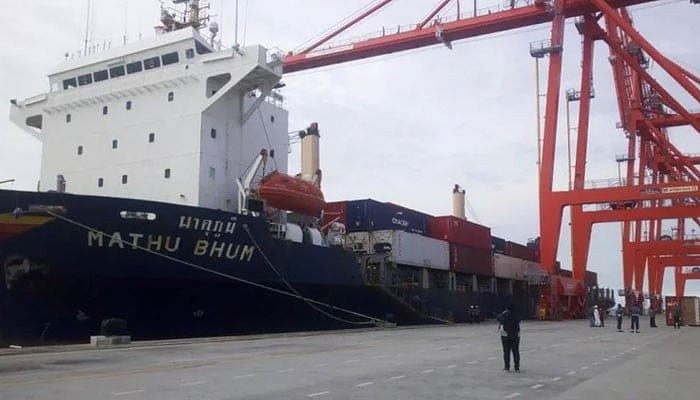
Around 80% of Scotch whisky imported from Britain by volume arrives in bulk, according to industry estimates. India is the largest export market for Scotch whisky by volume, with more than 220 million bottle-equivalents exported to the country in 2025, according to the UK-based Scotch Whisky Association.
Most bulk Scotch is used to manufacture Indian-Made Foreign Liquor (IMFL) whisky by blending it with other spirits and ingredients.
Brands that could face cost pressures include Indian-market blends such as Royal Stag, Blenders Pride and McDowell’s. Radico Khaitan makes 8PM, while Allied Blenders and Distillers produces Officer’s Choice.
Pernod’s Blenders Pride, for instance, is described on the company’s website as a blend of Indian grain spirit and imported Scotch malts from Chivas Brothers, tailored to Indian consumers.
Imported bottled Scotch, such as The Glenlivet, is generally expected to receive the reduced 75% tariff. However, Indian blended whiskies that depend on bulk Scotch could face higher input costs if the imports continue to attract 150% duty.
Mass-market Indian whiskies that do not depend on imported Scotch are likely to face little direct impact from the tariff dispute. Premium Indian brands using imported Scotch could also face cost pressures or delays in expanding their luxury offerings.
Could Your Favourite Whisky Become Costlier?
A price increase is possible, but it is not automatic. If companies have to pay 150% instead of 75% duty on bulk Scotch, their landed costs could rise sharply.
Companies may absorb some of the additional cost, change their blends, look for alternative sources or pass part of the increase on to consumers.
The immediate impact could therefore be greater pressure on company margins and uncertainty over supply and pricing, rather than an overnight increase in retail prices.
Why Is The Dispute Important For Indian Manufacturing?
Domestic industry bodies have warned that excluding bulk Scotch from the tariff reduction could hurt local manufacturing.
The Confederation of Indian Alcoholic Beverage Companies has argued that taxing bulk imports more heavily than finished bottles could encourage companies to import completed whisky instead of blending and bottling it in India. This could run counter to the country’s domestic manufacturing push.
Allied Blenders said in an investor presentation last week that it is “one of the largest bulk Scotch importers” and that the UK trade pact would improve its “luxury portfolio accessibility”.
The International Spirits & Wines Association of India, which represents Pernod, Diageo and other major companies, has also privately warned that the classification dispute could undermine an important market-access benefit negotiated under the agreement.
What Happens Next?
After Reuters reported last month that companies were facing scrutiny in India, a UK government spokesperson said, “We are working with the government of India to resolve this issue to ensure UK businesses can export under the tariffs agreed in the trade deal.”
Scotland’s leader John Swinney also raised concerns about the treatment of bulk Scotch whisky exports with the Indian government during a visit that concluded last week. The Indian government has not publicly commented on the matter so far.
The outcome of the discussions between the government and liquor companies will determine whether bulk Scotch imports qualify for the reduced tariff. It could also influence the cost of Indian blended whiskies, the sourcing decisions of manufacturers and the future of domestic blending and bottling operations.