Still Constipated Despite Isabgol? Doctors Explain What Could Be Going On
We tend to think of constipation as a plumbing problem: eat more fibre, drink more water, take isabgol and wait for things to move. For occasional constipation, that approach can be perfectly reasonable. But when constip
مصنف Swati Chaturvedi··28K بار پڑھا
Still Constipated Despite Isabgol? Doctors Explain What Could Be Going On
We tend to think of constipation as a plumbing problem: eat more fibre, drink more water, take isabgol and wait for things to move. For occasional constipation, that approach can be perfectly reasonable. But when constipation keeps returning despite these measures, the more useful question is often not how can I make my bowel move? but why isn’t it moving normally in the first place?
Constipation is not simply about how often you use the toilet. It can mean having fewer than three bowel movements a week, passing hard or lumpy stools, straining or experiencing a sensation that the bowel has not completely emptied. More importantly, constipation can be a symptom rather than a disease in itself. Its causes can range from diet, dehydration and inactivity to medications, hormonal or metabolic conditions, disorders of gut movement and problems with the pelvic floor.
As Dr Punya Chopra, Senior Consultant – Internal Medicine, Diabetologist & Rheumatologist, The Women’s Hospital, Delhi, explains, the bowel does not function in isolation. Its movement can be influenced by the gut microbiome, hormones, metabolism, immune and inflammatory processes, medications, diet, stress and the pelvic floor.
That wider view is particularly relevant when symptoms become persistent. Women can be especially vulnerable to constipation, with pregnancy, hormonal changes, thyroid dysfunction, pelvic-floor problems and certain medicines or supplements potentially affecting bowel habits. Pregnancy and ageing, for example, are recognised situations in which constipation can become more common.
When Isabgol Is Enough and When It Isn’t
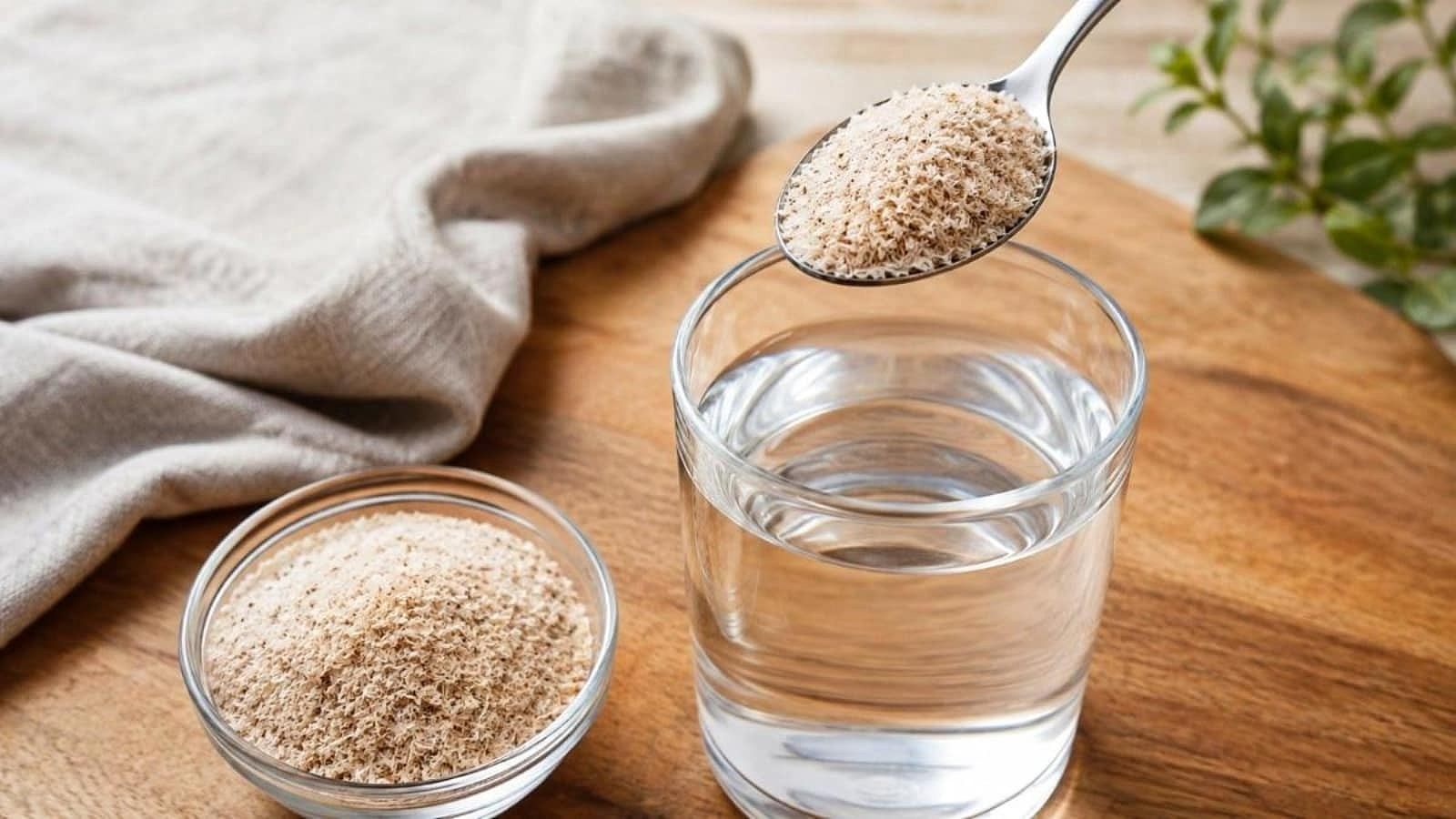
Isabgol, or psyllium husk, is a form of soluble fibre that can help soften and bulk up stool. Fibre remains an important part of constipation management, and psyllium is among the fibre supplements that clinical guidelines suggest can be used for chronic constipation. But fibre is not a universal answer, and simply increasing it indefinitely may not address the actual problem.
For someone whose constipation is occasional, perhaps after travel, a change in routine, reduced activity or a low-fibre diet, simple measures such as adequate fluids, gradual fibre intake and physical activity may be sufficient.
But Dr Chopra points out that persistent symptoms deserve a different approach. If constipation continues for months despite measures such as isabgol, the focus should shift towards identifying what is driving it rather than simply adding more fibre.
That could mean reviewing medications and supplements, looking at diet and hydration, considering hormonal or metabolic conditions, or assessing whether the pelvic floor is contributing to difficulty evacuating stool.
Sometimes the Problem Is Not the Stool, It’s the Exit
One of the less obvious causes of chronic constipation is a problem with the muscles involved in bowel evacuation.
The pelvic floor needs to coordinate relaxation and contraction to allow stool to pass. If those muscles do not relax properly during a bowel movement, a person can feel as though they need to go but still struggle to empty the bowel.
Dr Ashwin Porwal, Founder and Colorectal Surgeon, Healing Hands Clinic, Pune, says prolonged time spent on the toilet, particularly 30 to 45 minutes at a time, can sometimes be a clue that something other than simply hard stool is going on. The habit of sitting on the toilet for long periods, especially while using a phone, can also encourage prolonged straining.
When a pelvic-floor or defecatory disorder is suspected, doctors may use tests such as anorectal manometry, which evaluates how the rectum and anal sphincters function, or other investigations such as a balloon-expulsion test or defecography, depending on the clinical picture.
And the treatment may look very different from taking more fibre. Pelvic-floor biofeedback can retrain the muscles to coordinate properly during bowel movements and is an established treatment for defecatory disorders.
Women May Have an Additional Anatomical Factor
For some women, particularly after childbirth, structural changes in the pelvic region can contribute to difficulty passing stool.
Dr Porwal points to rectocele as one possible example. In a rectocele, the wall between the rectum and vagina can bulge, potentially making evacuation difficult. When a structural problem is suspected, imaging such as defecography may be used to assess the anatomy and determine whether a procedure is appropriate.
This is an important distinction because constipation that stems from an evacuation disorder or structural problem is unlikely to be solved simply by repeatedly increasing fibre.
The right treatment therefore depends on the diagnosis. In some cases, conservative management and pelvic-floor therapy may be enough; in others, a specialist may consider an intervention.
Your Medicines Could Be Part of the Problem
Another commonly overlooked factor is medication.
Several commonly used medicines and supplements can contribute to constipation, including some antacids, anticholinergic medicines, certain blood-pressure medicines, iron supplements, some medicines for neurological conditions and opioid pain medicines.
That is why a medication review can be surprisingly useful when constipation suddenly appears or becomes chronic.
This does not mean stopping a prescribed medicine yourself. Instead, a doctor can determine whether a medication could be contributing to the problem and whether there is a suitable alternative or adjustment.
What About the Gut Microbiome?
The gut microbiome has become an increasingly popular explanation for digestive symptoms, but this is an area where nuance matters.
The trillions of microorganisms living in the gut interact with the digestive system, and research continues to explore their relationship with intestinal function. Constipation can also occur alongside functional gastrointestinal disorders such as irritable bowel syndrome with constipation.
However, a microbiome imbalance should not automatically be assumed to be the cause of someone’s constipation, and a commercial microbiome test is not a routine first-line investigation for everyone with chronic constipation.
As Dr. Chopra notes, the microbiome is part of the wider picture but the answer for an individual patient may lie elsewhere, including medication, diet, hormones, metabolic health or pelvic-floor function.
Similarly, probiotics or prebiotics may have a role in selected digestive conditions, but they should not become a substitute for finding the cause of persistent constipation.
Is More Fibre Always Better?
Not necessarily.
For adults, general dietary guidance recommends around 22 to 34 grams of fibre a day, depending on age and sex. But fibre should generally be increased gradually, and adequate fluid intake is important because liquids help fibre work effectively.
If someone is already consuming adequate fibre and taking psyllium without meaningful improvement, simply adding more may increase bloating or discomfort without solving the underlying problem.
That is the point at which the conversation should move from “What else can I eat?” to “What type of constipation do I have?”
Doctors may distinguish between problems such as slow movement of stool through the colon, difficulty evacuating stool because of pelvic-floor dysfunction, and constipation associated with conditions such as IBS. Different causes call for different treatments.
When Medication May Be Appropriate
For chronic constipation that does not respond adequately to lifestyle and fibre measures, medical treatment can be appropriate.
Current American Gastroenterological Association and American College of Gastroenterology guidance gives a strong recommendation for polyethylene glycol (PEG) for chronic idiopathic constipation, while psyllium and several other over-the-counter options have conditional recommendations. Prescription treatments may also be considered when appropriate after unsuccessful trials of over-the-counter therapies.
The important point is that laxatives and other medicines should be selected according to the type and severity of constipation rather than treated as interchangeable quick fixes.
What About Colon Hydrotherapy?
Colon hydrotherapy is sometimes marketed as a way to flush out the bowel and relieve bloating or constipation. But it should not be treated as a routine solution for chronic constipation.
Persistent constipation warrants assessment of its underlying cause, and unnecessary colon cleansing can carry risks. If someone is considering a procedure for ongoing bowel symptoms, it is better to discuss it with a qualified clinician rather than using it as a substitute for diagnosis.
The Toilet Habits That Can Actually Help
Small behavioural changes can make a difference, particularly when evacuation is difficult.
Instead of sitting on the toilet for prolonged periods, respond to the body’s natural urge to have a bowel movement and avoid repeated straining. A consistent toilet routine, adequate fluids, gradual fibre intake and regular physical activity can all form part of a constipation-management plan.
And if you routinely find yourself spending 30 or 40 minutes on the toilet without being able to empty your bowel, that is worth mentioning to a doctor.
It may be a clue that the problem is not simply a lack of fibre.
When Constipation Needs Medical Attention
Constipation that persists despite self-care should be discussed with a healthcare professional, particularly when it has been ongoing for several months.
Certain symptoms warrant more urgent medical attention, including blood in the stool or rectal bleeding, unexplained weight loss, persistent abdominal pain, vomiting, fever or an inability to pass gas.
A doctor may begin with a detailed history and physical examination and then decide whether blood tests, imaging, colonoscopy or specialised bowel-function tests are appropriate. The exact work-up depends on symptoms, age, medical history and risk factors.
Isabgol is useful. Fibre is useful. Drinking enough fluids and staying active are useful. But persistent constipation is not always a fibre problem.
As Dr Chopra emphasises, recurrent constipation can reflect a much wider interaction between diet, medications, hormones, metabolism, gut function and the pelvic floor. And as Dr Porwal’s clinical examples illustrate, some patients may have an underlying anatomical or evacuation disorder that requires a completely different approach.
The goal, therefore, should not simply be to make yourself go to the toilet.
It is to understand why you are struggling to go and treat that reason. For someone who has been relying on isabgol for months with little improvement, that may be the most important change of all.